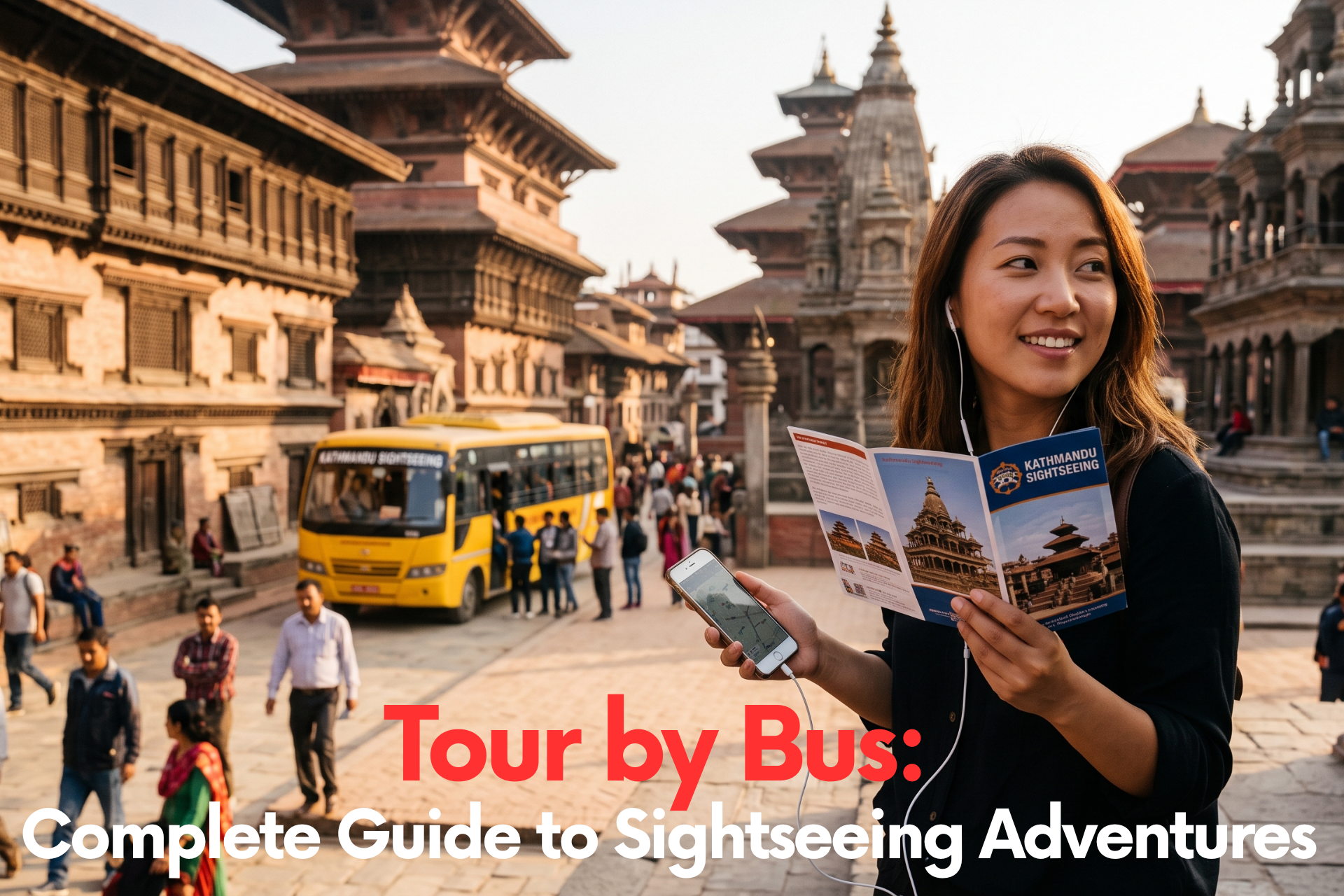
Exploring a new destination through a tour by bus offers travelers an unparalleled opportunity to immerse themselves in local culture while enjoying the comfort and convenience of guided transportation. Bus tours have evolved significantly over the past decade, transforming from simple point-to-point transfers into comprehensive cultural experiences that combine storytelling, historical context, and flexible exploration. Whether you're discovering UNESCO World Heritage Sites in ancient cities or uncovering hidden neighborhoods in modern metropolises, bus-based sightseeing provides a structured yet relaxed way to maximize your travel experience without the stress of navigation or parking.
Understanding the Modern Bus Tour Experience
The bus tour industry has undergone remarkable transformation in recent years, adapting to changing traveler preferences and technological advancements. Today's tour by bus experiences incorporate audio guides in multiple languages, onboard Wi-Fi connectivity, and climate-controlled comfort that makes extended sightseeing journeys enjoyable regardless of weather conditions.
Economic Impact and Industry Growth
The motorcoach and bus tour sector represents a significant economic force in global tourism. According to recent industry data, motorcoach group travel drove nearly $90 billion in U.S. economic impact in 2024, demonstrating the substantial role these services play in travel infrastructure. This economic contribution extends beyond direct ticket sales to encompass hospitality, dining, and local attractions.
The bus and motorcoach industry's $158 billion U.S. economic footprint underscores its importance to communities nationwide. This ripple effect creates jobs, supports small businesses near tour stops, and generates tax revenue that funds infrastructure improvements.
Types of Bus Tours Available
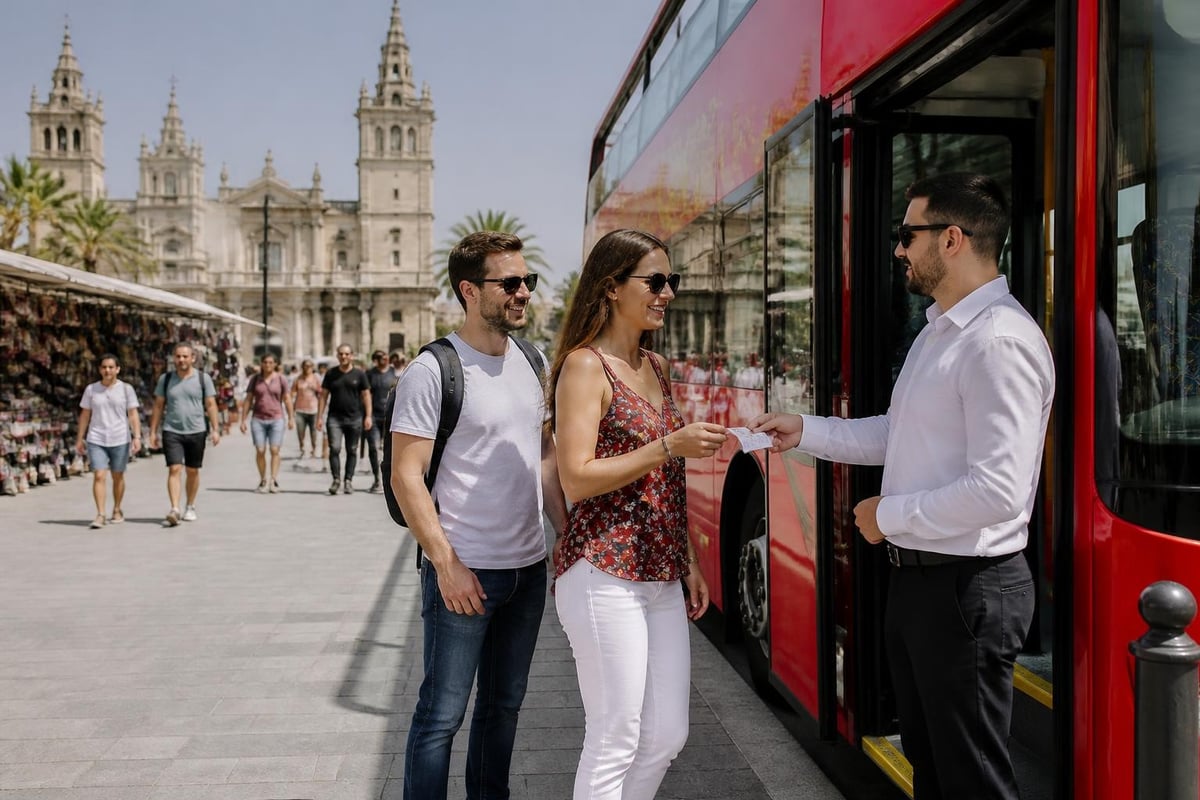
Modern travelers can choose from several distinct tour formats, each designed to meet different needs and preferences:
- Hop-On, Hop-Off Tours: Flexible circuits allowing passengers to disembark at attractions and rejoin later buses
- Guided Excursions: Fully narrated experiences with professional tour guides providing historical and cultural context
- Private Charter Tours: Customized itineraries for groups with specific interests or schedules
- Multi-Day Adventures: Extended journeys connecting multiple destinations with overnight accommodations
- Theme-Based Tours: Specialized routes focusing on food, architecture, art, or historical periods
Each format offers unique advantages depending on your travel style, time constraints, and depth of interest in specific subjects.
Planning Your Perfect Bus Tour Adventure
Selecting the right tour by bus experience requires careful consideration of several factors that will shape your overall satisfaction and learning experience. Understanding these elements before booking ensures you choose an option aligned with your interests and expectations.
Evaluating Tour Itineraries and Duration
The ideal tour length balances comprehensive coverage with realistic pacing. Short city tours typically span two to four hours, providing overviews of major landmarks without overwhelming first-time visitors. Full-day excursions allow deeper exploration but require higher energy levels and comfortable footwear.
When reviewing itineraries, pay attention to:
- Number of stops and time allocated at each location
- Balance between guided commentary and independent exploration
- Meal breaks and refreshment opportunities
- Accessibility features for travelers with mobility considerations
- Photography opportunities at scenic viewpoints
Research whether the tour operates on a fixed schedule or offers flexible departure times. Morning tours often provide better lighting for photography and smaller crowds at popular attractions, while afternoon or evening tours may showcase destinations in different atmospheric conditions.
Assessing Tour Operator Quality
The expertise and professionalism of your tour provider directly impacts your experience quality. Established operators invest in guide training, vehicle maintenance, and customer service protocols that distinguish memorable tours from mediocre ones.
| Quality Indicator | What to Look For | Why It Matters |
|---|---|---|
| Guide Expertise | Local knowledge, multiple languages, storytelling ability | Enriches cultural understanding and engagement |
| Vehicle Condition | Modern buses, safety features, cleanliness standards | Ensures comfort and reliable operation |
| Customer Reviews | Recent feedback, response to complaints, rating trends | Reveals consistent service quality |
| Safety Record | Licensing, insurance, driver qualifications | Protects passengers and demonstrates professionalism |
| Cancellation Policy | Refund terms, weather contingencies, flexibility | Provides booking confidence |
The motorcoach census industry research provides valuable insights into operator standards and best practices across the sector. This data helps travelers understand what distinguishes reputable companies from less established alternatives.
Benefits of Choosing a Tour by Bus
Bus-based sightseeing delivers advantages that independent exploration or other transportation modes cannot replicate. These benefits extend beyond simple convenience to encompass safety, education, and social connection.
Cost Efficiency and Value
A comprehensive tour by bus typically costs less than combining individual admission tickets, taxi fares, and navigation tools. Group pricing enables operators to negotiate reduced entrance fees at attractions, passing savings to passengers while including commentary that adds educational value.
Budget-conscious travelers appreciate that bus tours eliminate hidden costs like parking fees, fuel expenses, and wrong-turn detours. Many operators bundle meals, entrance fees, and guide services into transparent pricing that simplifies travel budgeting.
Environmental Sustainability
Motorcoach travel represents one of the most fuel-efficient passenger transportation methods available. A single bus tour replaces dozens of individual vehicles, significantly reducing carbon emissions per capita while decreasing traffic congestion in historic city centers.
Modern tour buses incorporate:
- Advanced emission control systems meeting or exceeding environmental regulations
- Efficient route planning that minimizes unnecessary mileage
- Passenger density optimization maximizing occupancy rates
- Idle reduction technologies decreasing fuel consumption during stops
Environmentally conscious travelers can feel confident that choosing a tour by bus aligns with sustainable tourism principles while still enjoying comprehensive destination exploration.
Safety and Stress Reduction
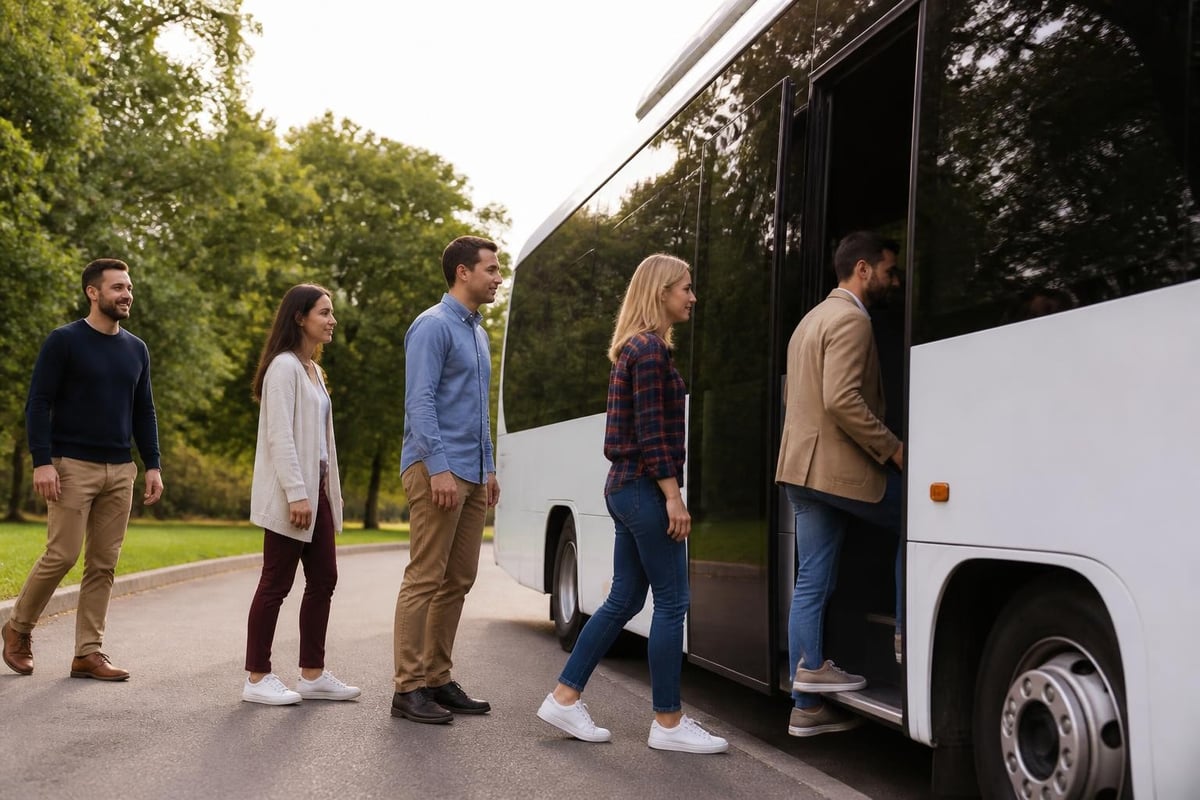
Professional drivers navigate unfamiliar streets while passengers relax and observe surroundings without navigation anxiety. This arrangement proves particularly valuable in destinations with challenging traffic patterns, limited parking, or complex road systems.
Licensed tour operators maintain rigorous safety standards, including:
- Regular vehicle inspections and maintenance schedules
- Driver training programs and experience requirements
- Emergency protocol implementation and staff certification
- Insurance coverage protecting passengers and property
- Communication systems for real-time assistance
Travelers can consult the frequently asked questions section before booking to understand specific safety measures and operational standards maintained by their chosen operator.
Maximizing Your Bus Tour Experience
Even the best-planned tour by bus benefits from passenger preparation and engagement. Strategic choices before and during your journey enhance learning, comfort, and overall satisfaction.
Pre-Tour Preparation Strategies
Arriving prepared maximizes your ability to absorb information and enjoy each stop. Research basic destination history so guide commentary builds upon existing knowledge rather than introducing entirely foreign concepts. This foundation allows you to ask informed questions and recognize connections between different sites.
Essential preparation steps include:
- Downloading offline maps showing tour routes and stop locations
- Charging electronic devices and bringing portable power banks
- Wearing layered clothing adaptable to temperature changes
- Packing water bottles and light snacks for energy maintenance
- Reviewing photography policies at sensitive historical or religious sites
Understanding cancellation policies before finalizing bookings protects your investment if plans change unexpectedly. Many operators offer flexible rebooking options or partial refunds under specific circumstances.
Engagement Techniques During Tours
Active participation transforms passive observation into meaningful learning experiences. Asking questions demonstrates interest and often prompts guides to share additional stories or insights not included in standard scripts. Other passengers frequently appreciate when someone voices questions they were hesitant to ask themselves.
Position yourself strategically on the bus for optimal viewing. Window seats on the right side typically provide better views in countries with right-side traffic, though this varies by route design. Front seats offer unobstructed forward visibility and easier guide interaction, while rear seats provide panoramic perspectives during city navigation.
Cultural Immersion Through Guided Bus Tours
A thoughtfully designed tour by bus serves as a cultural bridge, connecting visitors with local traditions, architectural heritage, and community stories that independent exploration might overlook. Professional guides contextualize visible landmarks within broader historical narratives, revealing connections between past events and present-day culture.
Heritage Site Interpretation
UNESCO World Heritage Sites and significant historical landmarks require interpretive guidance to fully appreciate their cultural importance. Guides explain architectural techniques, symbolic elements, and historical events that transformed ordinary locations into extraordinary cultural treasures.
When exploring heritage sites through bus tours, travelers gain insights into:
- Construction methods and materials reflecting historical technological capabilities
- Cultural symbolism embedded in decorative elements and spatial arrangements
- Historical events that shaped site significance and preservation efforts
- Conservation challenges balancing tourist access with structural preservation
- Contemporary relevance connecting ancient traditions to modern cultural practices
This interpretive framework transforms sightseeing from simple photography opportunities into educational experiences that foster cross-cultural understanding and appreciation.
Local Community Connections
The best tour operators incorporate local perspectives into their narratives, sharing contemporary community stories alongside historical facts. This approach humanizes destinations, revealing how modern residents interact with heritage sites and maintain cultural traditions in evolving urban environments.
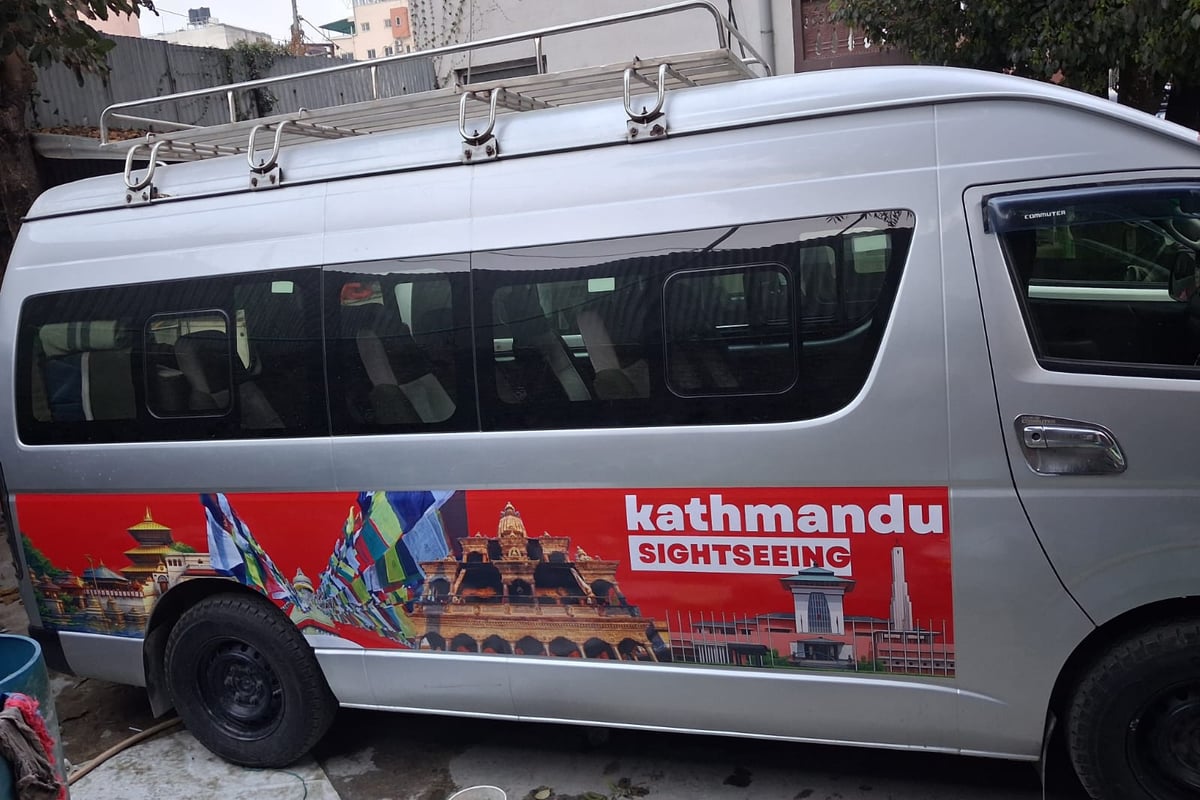
For travelers seeking authentic cultural immersion in Kathmandu's heritage landscape, the Kathmandu Sightseeing hop on hop off bus tour provides flexible access to 21 curated heritage stops across the valley. This 24-hour exploration opportunity allows visitors to spend as much time as desired at sites of particular interest while maintaining the convenience and educational value of professional guidance.
Technology Integration in Modern Bus Tours
Contemporary tour by bus experiences leverage technological innovations that enhance passenger engagement while preserving the human connection essential to quality cultural interpretation. These tools complement rather than replace traditional guide expertise.
Audio Systems and Multilingual Support
Advanced audio systems deliver clear narration throughout the vehicle, ensuring every passenger hears commentary regardless of seating position. Multi-channel systems allow passengers to select preferred languages, making tours accessible to international audiences without requiring multiple guides.
Many operators now offer:
- Mobile app integration providing supplementary content and booking management
- GPS-triggered audio delivering location-specific information automatically
- Interactive touchscreens displaying maps, photos, and historical images
- Augmented reality features overlaying historical scenes onto modern streetscapes
These technologies democratize access to information while accommodating diverse learning preferences and language backgrounds.
Real-Time Information and Service Adjustments
Connected bus systems enable operators to monitor traffic conditions, adjust routes dynamically, and communicate changes to passengers promptly. This responsiveness minimizes delays and maintains schedule reliability even when unexpected circumstances arise.
Digital platforms also facilitate passenger feedback collection, allowing operators to continuously refine itineraries and service quality based on actual traveler experiences. This data-driven approach to service improvement benefits future passengers while demonstrating operator commitment to excellence.
Group Travel Dynamics and Social Benefits
A tour by bus naturally facilitates social interaction among passengers sharing common interests in destination exploration. This communal aspect creates opportunities for connection, knowledge sharing, and friendship development that solo travel rarely provides.
Shared Learning Experiences
Group dynamics encourage discussion and diverse perspective sharing. Passengers bring varied backgrounds, prior knowledge, and cultural viewpoints that enrich collective understanding when people engage respectfully with fellow travelers.
The social atmosphere of bus tours particularly benefits:
- Solo travelers seeking companionship without commitment to extended travel partnerships
- Families wanting structured activities that engage multiple generations simultaneously
- Special interest groups deepening subject knowledge through collective exploration
- Corporate teams building relationships outside traditional work environments
According to industry insights on employment and passenger statistics, group travel continues growing as travelers recognize the value of shared experiences and professional coordination.
Building Cross-Cultural Understanding
International tour groups become microcosms of global diversity, where travelers from different countries share experiences and exchange cultural perspectives. These interactions foster mutual understanding and often challenge stereotypes, contributing to broader international goodwill.
Guides skilled in managing diverse groups create inclusive environments where all passengers feel welcomed and valued, regardless of cultural background or previous travel experience. This inclusive approach maximizes learning opportunities while ensuring everyone enjoys the tour by bus experience fully.
Seasonal Considerations for Bus Tour Planning
Timing significantly impacts tour by bus experiences, affecting everything from weather comfort to crowd density at popular attractions. Strategic seasonal planning enhances satisfaction while potentially reducing costs and improving access to sites.
Peak Season Advantages and Challenges
High season brings optimal weather conditions and extended attraction operating hours that maximize sightseeing opportunities. However, increased tourist volume creates longer wait times, higher prices, and more crowded conditions at popular stops.
| Season | Advantages | Considerations |
|---|---|---|
| Peak | Best weather, full service availability, vibrant atmosphere | Higher prices, crowds, advance booking required |
| Shoulder | Moderate weather, smaller crowds, competitive pricing | Some services reduced, variable weather |
| Off-Peak | Lowest prices, minimal crowds, authentic local atmosphere | Limited hours, potential closures, weather challenges |
The ABA Foundation's motorcoach census highlighting industry growth demonstrates year-round demand for bus tours, though distribution varies significantly by destination and season.
Weather Adaptation Strategies
Modern tour buses provide climate-controlled environments protecting passengers from temperature extremes, though weather still influences stop durations and outdoor activity feasibility. Operators typically adjust itineraries during extreme conditions, prioritizing passenger safety while maintaining educational value.
Travelers should check seasonal weather patterns before booking and pack accordingly. Layered clothing, weather-appropriate footwear, and sun protection ensure comfort regardless of conditions encountered during your tour by bus adventure.
Accessibility and Inclusive Tour Design
Progressive tour operators recognize that quality sightseeing experiences should accommodate travelers of all abilities. Inclusive design principles ensure that physical limitations don't prevent anyone from enjoying cultural exploration and heritage discovery.
Physical Accessibility Features
Modern tour buses increasingly incorporate wheelchair lifts, wide aisles, and designated accessibility seating that accommodate passengers with mobility challenges. Operators committed to inclusion also consider stop selections, ensuring destinations offer accessible pathways and facilities.
Accessibility considerations include:
- Low-floor bus designs minimizing boarding steps
- Audio description services for visually impaired passengers
- Visual displays supplementing audio commentary for hearing-impaired travelers
- Rest stop frequency accommodating varied physical needs
- Alternative route options for sites with limited accessibility
Travelers with specific accessibility requirements should contact operators directly through platforms like the booking application to discuss individual needs and confirm accommodation availability before finalizing reservations.
Cognitive and Sensory Inclusivity
Tour designers increasingly recognize neurodiversity, creating experiences that accommodate different processing styles and sensory sensitivities. This includes providing quiet spaces, managing audio volume levels, and offering written materials supplementing verbal presentations.
Families traveling with children benefit from tours designed with age-appropriate content, interactive elements, and realistic attention span expectations. These thoughtful design choices make cultural education accessible to young learners while maintaining engagement for adult passengers.
Booking Strategies and Consumer Protection
Securing the best tour by bus value requires understanding booking processes, reading terms carefully, and knowing your consumer rights. Informed booking decisions minimize disappointment while protecting your travel investment.
Comparing Operators and Packages
Not all bus tours deliver equivalent value even when covering similar routes. Comparing operator reputations, included services, and actual itineraries reveals significant quality differences that justify price variations.
Key comparison factors:
- Guide qualifications and language options
- Inclusion of entrance fees versus additional costs
- Meal arrangements and dietary accommodation
- Vehicle age, capacity, and amenity levels
- Group size limits affecting personal attention
Reading recent reviews from verified passengers provides realistic expectations about service delivery and helps identify potential concerns before committing financially.
Understanding Terms and Protections
Responsible tour operators clearly communicate terms, including cancellation policies, refund conditions, and service limitations. Reviewing these details protects your interests if circumstances require plan changes.
Important policy areas include:
- Weather cancellations and alternative arrangements or refunds
- Minimum passenger requirements for tour operation
- Force majeure events and liability limitations
- Accident procedures and insurance coverage
- Dispute resolution processes and contact protocols
Travelers can review detailed accidental policy information and force majeure provisions to understand how reputable operators handle unexpected circumstances affecting tour operations.
Choosing a tour by bus offers travelers an efficient, educational, and socially enriching way to explore destinations while supporting local economies and sustainable tourism practices. The combination of professional guidance, comfortable transportation, and thoughtfully designed itineraries creates memorable experiences that independent exploration rarely matches. Kathmandu Sightseeing specializes in revealing the valley's UNESCO World Heritage Sites and hidden cultural treasures through expertly guided bus tours that balance historical depth with modern comfort, making it easy to discover Kathmandu's rich heritage without the stress of navigation or planning.