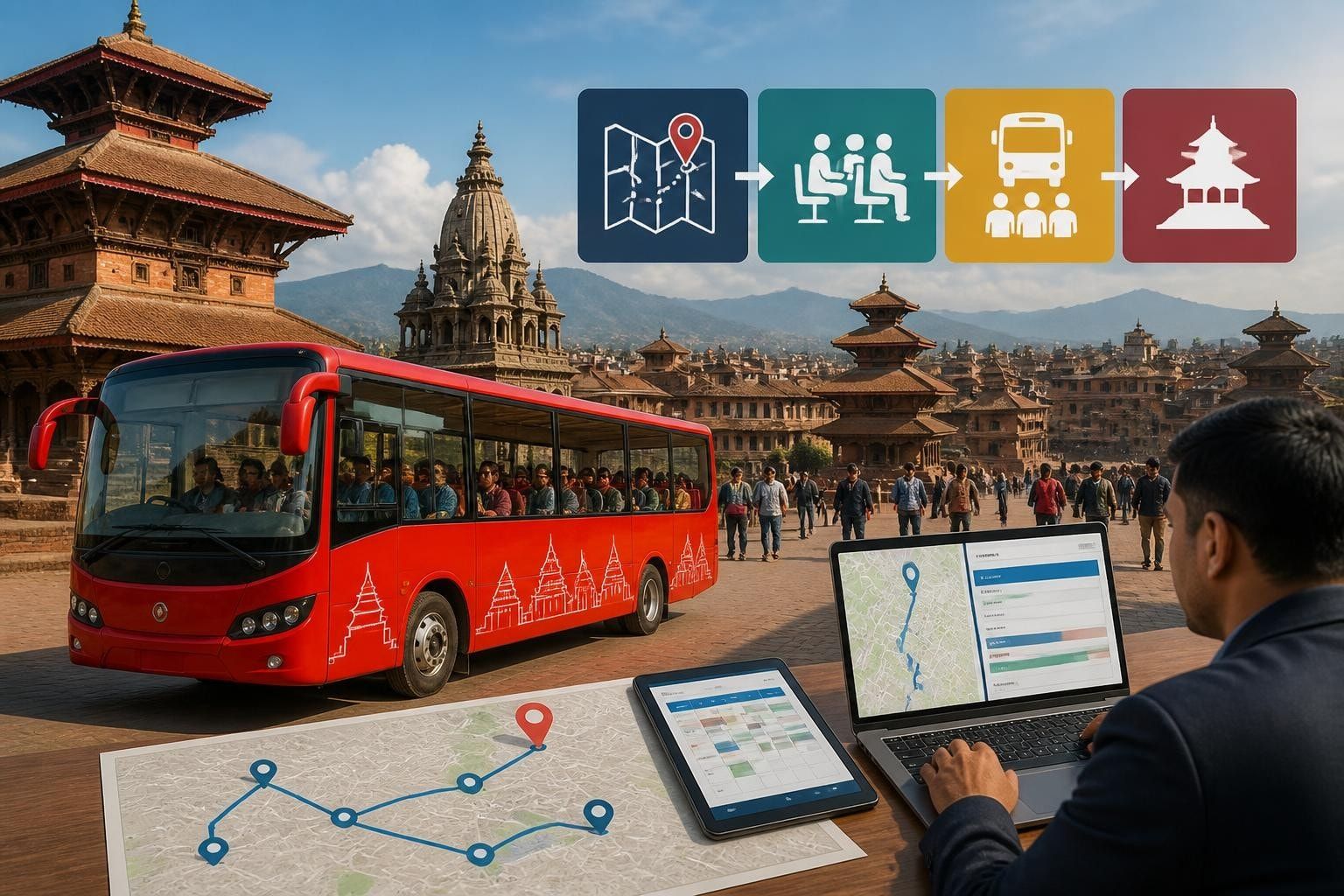
The tour bus industry represents a vital segment of the global tourism infrastructure, connecting millions of travelers with cultural landmarks, historical sites, and urban attractions each year. As cities expand their tourism offerings and travelers seek convenient, guided experiences, understanding the operational, regulatory, and experiential aspects of tour bus services becomes increasingly important for operators and passengers alike. From fleet specifications to passenger safety standards, the modern tour bus operation encompasses numerous moving parts that work together to deliver memorable journeys.
Understanding Tour Bus Categories and Fleet Types
Tour bus vehicles come in multiple configurations, each designed for specific operational requirements and passenger experiences. The industry broadly categorizes these vehicles by size, capacity, and service model.
Standard Coach Buses
Full-size motorcoaches typically accommodate 47 to 57 passengers and serve long-distance tours, multi-day excursions, and large group transportation. These vehicles feature overhead storage, reclining seats, climate control systems, and often include restrooms for extended journeys. Operators select these models for interstate travel, regional heritage tours, and multi-destination itineraries where passenger comfort during extended periods becomes paramount.
Key specifications include:
- Length: 40 to 45 feet
- Passenger capacity: 47-57 seats
- Amenities: WiFi, power outlets, entertainment systems
- Range: 300-400 miles per fuel tank
Mini Buses and Midsize Coaches
Smaller tour bus options ranging from 25 to 35 passengers provide flexibility for boutique experiences, urban navigation, and destinations with space constraints. These vehicles excel in historic districts, narrow streets, and locations where full-size coaches cannot maneuver effectively. Cities with UNESCO World Heritage Sites and dense urban centers particularly benefit from these compact alternatives.
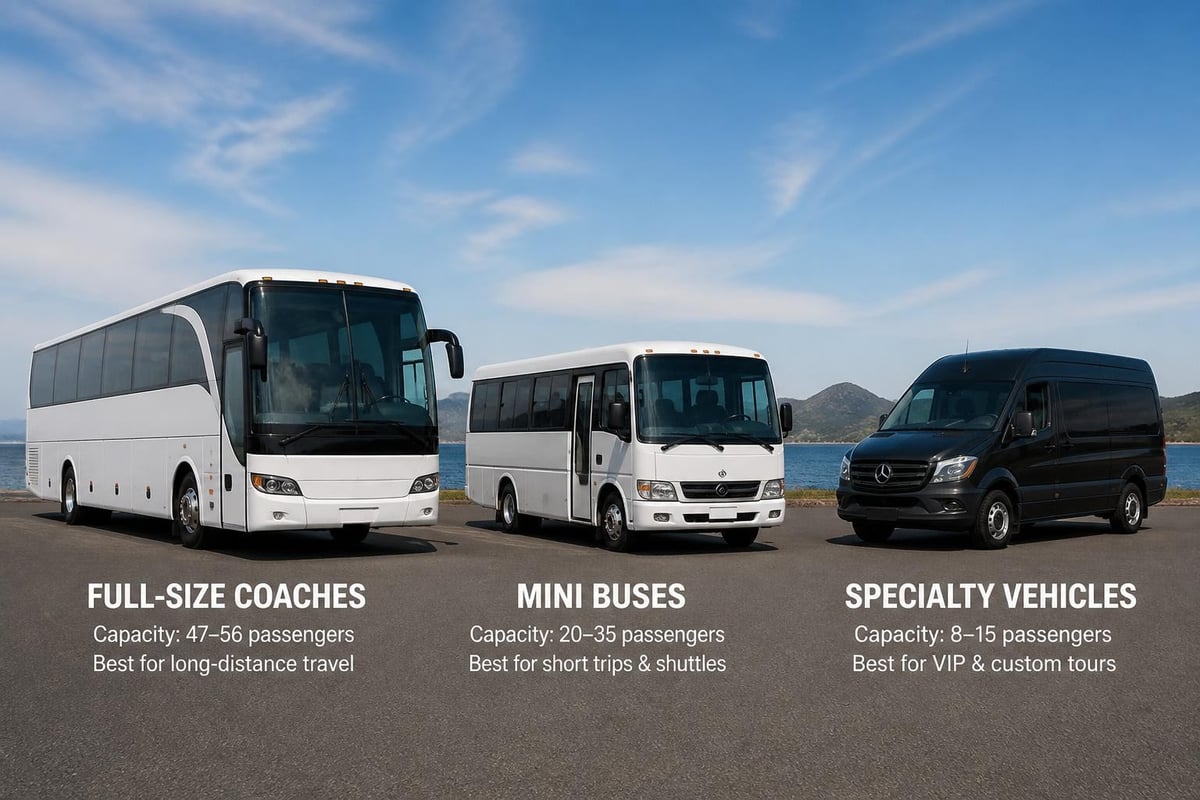
| Vehicle Type | Capacity | Best Use Case | Maneuverability |
|---|---|---|---|
| Full-Size Coach | 47-57 passengers | Long-distance, highway tours | Low |
| Midi Coach | 35-40 passengers | Regional tours, day trips | Medium |
| Mini Bus | 25-30 passengers | Urban sightseeing, heritage sites | High |
| Specialty Single-Story | 20-25 passengers | Historic districts, narrow streets | Very High |
Fleet Management and Maintenance Standards
Professional tour bus operations demand rigorous maintenance schedules, comprehensive safety inspections, and proactive fleet management strategies. The average commercial tour bus accumulates 30,000 to 50,000 miles annually, requiring systematic preventive maintenance to ensure passenger safety and operational reliability.
Preventive Maintenance Protocols
Industry-leading operators implement scheduled maintenance intervals based on mileage, operating hours, and calendar time. Engine oil changes occur every 10,000 to 15,000 miles, while transmission services happen at 25,000-mile intervals. Brake system inspections occur quarterly, and tire rotations follow manufacturer specifications or every 8,000 miles.
Critical maintenance categories include:
- Powertrain systems: Engine, transmission, driveline components
- Safety systems: Brakes, steering, suspension, lighting
- Passenger comfort: HVAC, seating mechanisms, accessibility features
- Compliance equipment: Emissions controls, safety devices, communication systems
Fleet managers track these maintenance activities through digital fleet management systems, recording service history, parts replacement, and compliance certifications. The EPA's greenhouse gas emissions standards influence maintenance practices, pushing operators toward low-emission technologies and fuel-efficient operational protocols.
Technology Integration in Fleet Operations
Modern tour bus fleets incorporate GPS tracking, real-time diagnostics, and predictive maintenance algorithms. These systems monitor engine performance, fuel consumption, and component wear patterns, alerting maintenance teams to potential issues before mechanical failures occur. Telematics platforms provide operational insights, helping managers optimize routes, reduce idle time, and improve fuel efficiency by 15 to 25 percent.
Regulatory Compliance and Safety Standards
Tour bus operations exist within a complex regulatory framework addressing vehicle safety, driver qualifications, passenger protection, and environmental impact. Operators must navigate federal, state, and local regulations while maintaining industry certifications and insurance coverage.
Driver Qualification and Training Requirements
Commercial tour bus drivers hold Commercial Driver's Licenses (CDL) with passenger endorsements, requiring specialized knowledge testing and skills evaluation. Beyond basic licensing, professional operators invest in continuous driver education covering defensive driving techniques, emergency procedures, customer service protocols, and cultural sensitivity training.
The Transportation Research Board's analysis of driver working conditions highlights how fatigue management, shift scheduling, and workplace policies directly impact passenger safety outcomes. Progressive tour operators implement hours-of-service monitoring, mandatory rest periods, and driver wellness programs to maintain high safety standards.
Accessibility and Passenger Accommodation
The Americans with Disabilities Act establishes comprehensive accessibility requirements for tour bus operations. Vehicles must accommodate wheelchair users, provide securement systems, and maintain accessible pathways within the passenger compartment. The U.S. Access Board's ADA guidelines detail technical specifications for lifts, ramps, doorway dimensions, and securement areas.
Operators conducting heritage bus tours face additional considerations when balancing historical authenticity with modern accessibility requirements, particularly in older urban districts with infrastructure limitations.
Passenger Experience Design and Service Models
The competitive tour bus industry differentiates itself through superior passenger experiences, innovative route design, and value-added services. Successful operators recognize that the journey itself constitutes a significant portion of the tourism product.
Hop-On, Hop-Off Service Models
This flexible touring format allows passengers to board and disembark at designated stops throughout a predetermined route, creating self-directed exploration opportunities. The model works exceptionally well for city sightseeing applications where travelers desire autonomy while benefiting from professional narration and convenient transportation between attractions.
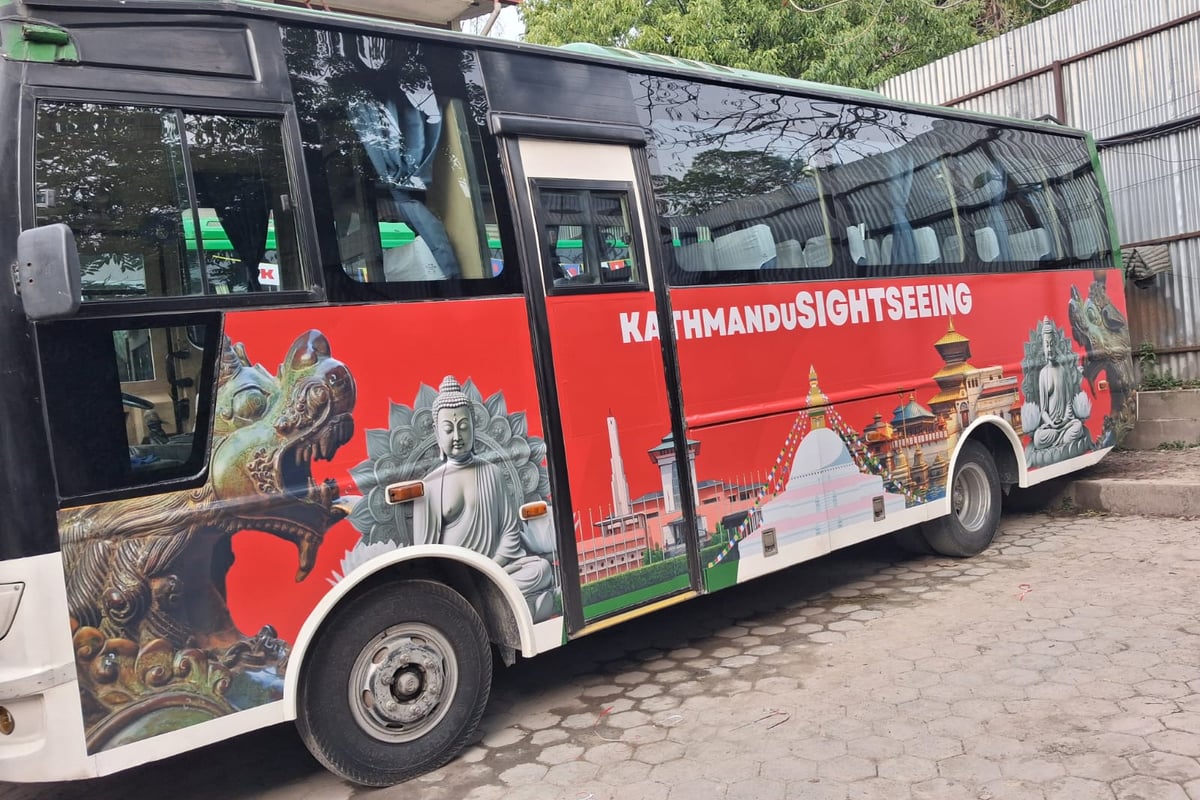
For example, Kathmandu Sightseeing's Hop-On, Hop-Off Tour Bus service utilizes specialized single-story buses designed to navigate the valley's historic streets while offering 24-hour access to 21 heritage stops. This approach accommodates different travel paces, photography opportunities, and personal interest levels while maintaining operational efficiency through predictable route schedules.
Guided Tour Experiences
Traditional guided tour bus experiences feature professional tour guides or drivers who provide historical context, cultural insights, and storytelling throughout the journey. This format creates structured learning experiences, ensures passengers don't miss significant details, and adds entertainment value through engaging narration.
Effective guided tours incorporate:
- Multi-language audio systems or live translation
- Visual aids, historical photographs, and reference materials
- Interactive elements encouraging passenger questions
- Strategic stop timing for photography and exploration
- Local expertise highlighting hidden gems beyond major attractions
Operational Excellence and Route Planning
Successful tour bus operations require meticulous route planning, schedule optimization, and contingency management. Operators balance tourist demand, traffic patterns, regulatory restrictions, and operational costs while delivering consistent service quality.
Route Design Considerations
Professional route planners analyze multiple factors when designing tour bus itineraries. Traffic flow patterns throughout different times of day influence departure schedules and stop durations. Historical site operating hours, seasonal tourism patterns, and special events require flexible scheduling systems. Street dimensions, turning radii, and parking availability constrain vehicle selection and routing options.
Urban tour operators particularly benefit from booking systems that balance vehicle capacity with passenger demand, preventing overcrowding while maximizing revenue per journey.
Scheduling and Frequency Management
High-frequency service intervals ranging from 15 to 30 minutes between departures characterize successful hop-on, hop-off operations. This frequency reduces passenger wait times, accommodates spontaneous travel decisions, and maintains service reliability despite traffic variability. Fixed-route tour bus services typically operate on hourly or bi-hourly schedules with guaranteed departure times.
| Service Model | Typical Frequency | Advance Booking | Flexibility |
|---|---|---|---|
| Hop-On, Hop-Off | 15-30 minutes | Optional | Very High |
| Scheduled Tours | 1-2 hours | Required | Low |
| Private Charters | On-demand | Required | Very High |
| Shuttle Services | 30-60 minutes | Optional | Medium |
Environmental Sustainability and Future Trends
The tour bus industry faces increasing pressure to reduce environmental impact, adopt cleaner technologies, and contribute to sustainable tourism development. Forward-thinking operators view sustainability not as regulatory burden but as competitive advantage and operational efficiency opportunity.
Alternative Fuel and Electric Vehicles
Electric and hybrid-electric tour buses represent the industry's environmental future, offering zero or reduced tailpipe emissions, quieter operation, and lower fuel costs. Battery-electric coaches currently suit urban routes with predictable mileage requirements and charging infrastructure access. Range limitations and charging time requirements present challenges for long-distance applications, though battery technology improvements steadily expand viable use cases.
Operators must consider total cost of ownership calculations incorporating vehicle purchase premiums, fuel savings, maintenance reductions, and potential incentive programs. Many jurisdictions offer grants, tax credits, or preferential operating permits for low-emission tour bus fleets.
Smart Tourism Integration
Digital integration transforms how passengers discover, book, and experience tour bus services. Mobile applications provide real-time vehicle tracking, digital ticketing, and augmented reality features enhancing onboard experiences. Passengers access arrival predictions, capacity updates, and alternative routing suggestions through smartphone interfaces.
The UITP's operator training programs address these technological transitions, helping tour bus professionals adapt to digital service delivery models while maintaining high customer service standards.
Customer Service Excellence and Brand Differentiation
In a competitive tourism marketplace, exceptional customer service separates memorable experiences from forgettable transportation. Tour bus operators cultivate distinctive brand identities through service quality, staff professionalism, and consistent value delivery.
Staff Training and Service Culture
Front-line staff including drivers, tour guides, and customer service representatives serve as brand ambassadors, directly influencing passenger satisfaction and repeat business potential. Comprehensive training programs address technical skills, product knowledge, communication abilities, and problem-resolution techniques.
Effective training curricula include:
- Vehicle operation and safety procedures
- Historical and cultural content mastery
- Customer service and conflict resolution
- Multi-language communication basics
- Emergency response protocols
- Accessibility assistance techniques
Quality Monitoring and Continuous Improvement
Leading tour bus operators implement systematic quality monitoring through passenger surveys, online review analysis, and mystery shopping programs. These feedback mechanisms identify service gaps, training needs, and operational improvements. Real-time passenger feedback systems enable immediate service recovery when issues occur, preventing negative experiences from escalating into reputation damage.
Operators can explore comprehensive FAQ resources that address common passenger questions, reducing service friction and improving overall satisfaction levels.
Insurance, Risk Management, and Legal Considerations
Tour bus operations carry significant liability exposure, requiring comprehensive insurance coverage, proactive risk management, and clear legal frameworks protecting both operators and passengers.
Insurance Requirements and Coverage Types
Commercial tour bus insurance encompasses multiple coverage categories including vehicle liability, passenger injury protection, property damage, comprehensive collision coverage, and uninsured motorist protection. Minimum coverage requirements vary by jurisdiction, though professional operators typically maintain coverage levels exceeding statutory minimums.
Additional coverage considerations include business interruption insurance protecting against revenue loss during vehicle downtime, equipment breakdown coverage addressing mechanical failures, and umbrella policies providing excess liability protection beyond primary policy limits.
Passenger Safety Protocols
Systematic safety protocols reduce accident risk and protect passengers throughout their journey. Pre-departure safety briefings, clearly marked emergency exits, operational fire suppression systems, and accessible first aid equipment represent baseline safety requirements. Operators maintain detailed emergency response plans addressing medical emergencies, vehicle breakdowns, weather events, and security incidents.
Understanding cancellation policies and force majeure provisions helps passengers navigate booking changes due to unforeseen circumstances, creating transparent expectations and reducing dispute potential.
Marketing and Distribution Strategies
Effective marketing connects tour bus services with target audiences through appropriate channels, compelling messaging, and strategic partnerships. Modern operators employ multi-channel strategies combining digital marketing, traditional advertising, and distribution partnerships.
Digital Marketing Approaches
Search engine optimization ensures tour bus services appear prominently when potential passengers research travel options. Content marketing through blog resources establishes authority, answers traveler questions, and improves search visibility. Social media platforms showcase experiences through passenger photographs, destination highlights, and user-generated content.
Online booking systems integrated with dynamic pricing algorithms optimize revenue while maintaining competitive positioning. Real-time availability displays, secure payment processing, and mobile-responsive interfaces reduce booking friction and increase conversion rates.
Partnership and Distribution Networks
Tour bus operators expand market reach through strategic partnerships with hotels, travel agencies, cruise lines, and destination management companies. These distribution relationships provide access to pre-qualified customers, reduce marketing costs, and enable package bundling creating additional value for travelers.
Partnerships with cultural institutions, museums, and heritage sites create exclusive access opportunities differentiating tour products from competitors. Joint marketing initiatives leverage partner audiences while sharing promotional costs across multiple organizations.
The tour bus industry continues evolving through technological advancement, regulatory development, and changing passenger expectations, requiring operators to balance traditional service excellence with innovative approaches. Whether exploring heritage sites, navigating urban landscapes, or experiencing cultural treasures, well-managed tour bus operations deliver convenient, safe, and enriching travel experiences. Kathmandu Sightseeing brings these operational best practices to life through carefully curated heritage routes, specialized vehicles designed for historic street navigation, and passionate guides who transform transportation into cultural discovery. Start planning your unforgettable journey through Kathmandu's UNESCO World Heritage Sites and hidden treasures today.