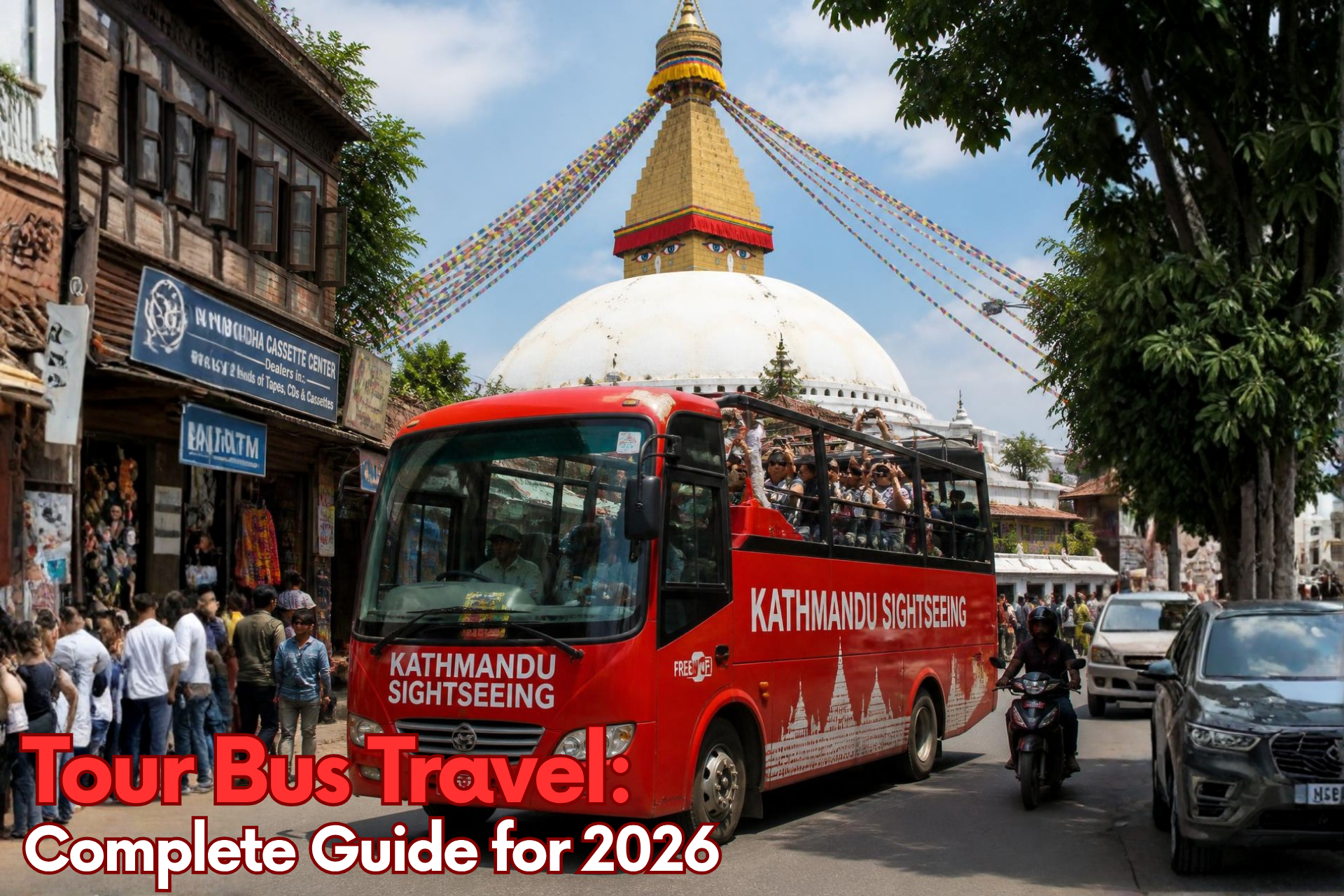
Tour bus travel has evolved into one of the most accessible and enriching ways to explore cities around the world. Whether you're discovering ancient temples in historic capitals or navigating modern urban landscapes, organized bus tours offer a structured yet flexible approach to sightseeing. This mode of transportation combines convenience with cultural immersion, allowing travelers to experience multiple landmarks within a single journey while benefiting from expert commentary and carefully planned routes. As urban tourism continues to grow in 2026, understanding the nuances of tour bus travel helps both operators and passengers maximize the value of every excursion.
Understanding the Modern Tour Bus Industry
The tour bus sector has undergone significant transformation over the past decade. Today's operators focus on delivering specialized experiences that cater to diverse traveler preferences, from heritage-focused itineraries to eco-conscious excursions. Modern tour buses incorporate advanced safety features, comfortable seating configurations, and technology-enhanced navigation systems that improve the overall passenger experience.
Fleet Diversity and Specialization
Tour operators now deploy varied vehicle types to match different destination characteristics and customer needs. Single-story buses work particularly well in cities with narrow streets, low bridges, or infrastructure constraints that make double-decker vehicles impractical. According to research on double-decker tour bus usage in Turkey, fleet composition and route planning are closely linked to urban geography and sustainability goals.
| Bus Type | Ideal For | Key Advantage | Common Limitation |
|---|---|---|---|
| Single-story | Historic districts, narrow streets | Better maneuverability | Lower capacity |
| Double-decker | Open cityscapes, panoramic views | High capacity, visibility | Height restrictions |
| Mini-coaches | Boutique tours, small groups | Intimate experience | Limited amenities |
| Luxury coaches | Long-distance, premium tours | Maximum comfort | Higher operating costs |
The choice of vehicle significantly impacts the routes available and the overall passenger experience. Cities with UNESCO World Heritage Sites often require smaller, more agile buses that can navigate historic quarters without damaging infrastructure or disrupting local communities.
Safety Standards and Risk Management
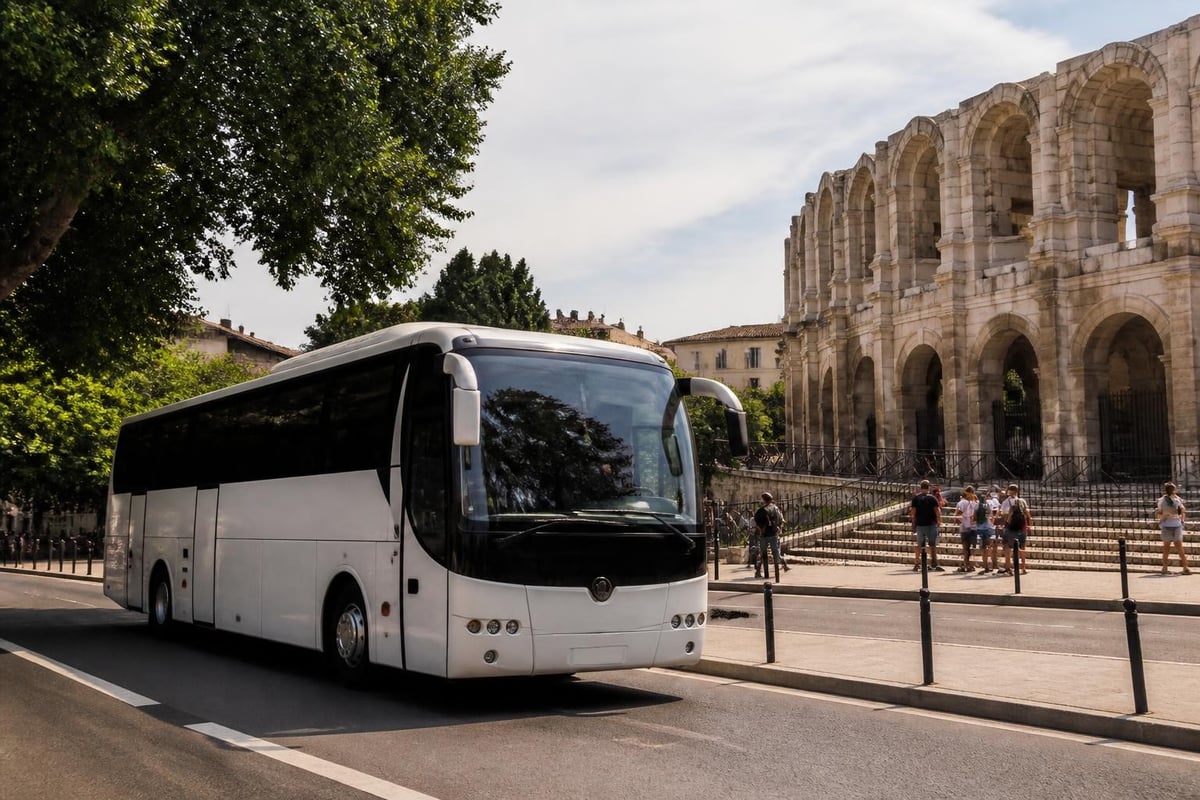
Safety remains the paramount concern in tour bus travel. The industry operates under strict regulatory frameworks that govern vehicle maintenance, driver qualifications, and operational protocols. The NTSB's 2024 Annual Report to Congress provides comprehensive data on motorcoach safety, highlighting both progress and ongoing challenges in the sector.
Key Safety Considerations
Operators must implement multiple layers of protection to ensure passenger well-being:
- Driver Training and Certification: Professional drivers undergo extensive training in defensive driving, emergency procedures, and customer service protocols
- Vehicle Maintenance Schedules: Regular inspections and preventive maintenance reduce mechanical failures and extend vehicle lifespan
- Route Assessment: Careful evaluation of road conditions, weather patterns, and seasonal hazards before each departure
- Emergency Preparedness: Onboard first aid equipment, communication systems, and evacuation procedures
- Insurance Coverage: Comprehensive policies that protect passengers, drivers, and third parties
Recent incidents, such as the August 2025 motorcoach crash investigated by the NTSB, underscore the importance of continuous safety improvements. Operators who prioritize rigorous safety protocols build trust with customers and reduce liability exposure.
Environmental Impact and Sustainability Initiatives
The environmental footprint of tour bus travel has become a central focus as cities worldwide pursue carbon reduction targets. Operators face increasing pressure to adopt cleaner technologies while maintaining financial viability. A 2026 life-cycle assessment study comparing alternative fuels in public transportation demonstrates the complexity of transitioning to low-emission powertrains.
Sustainable Fleet Options
Modern tour operators evaluate multiple factors when upgrading their fleets:
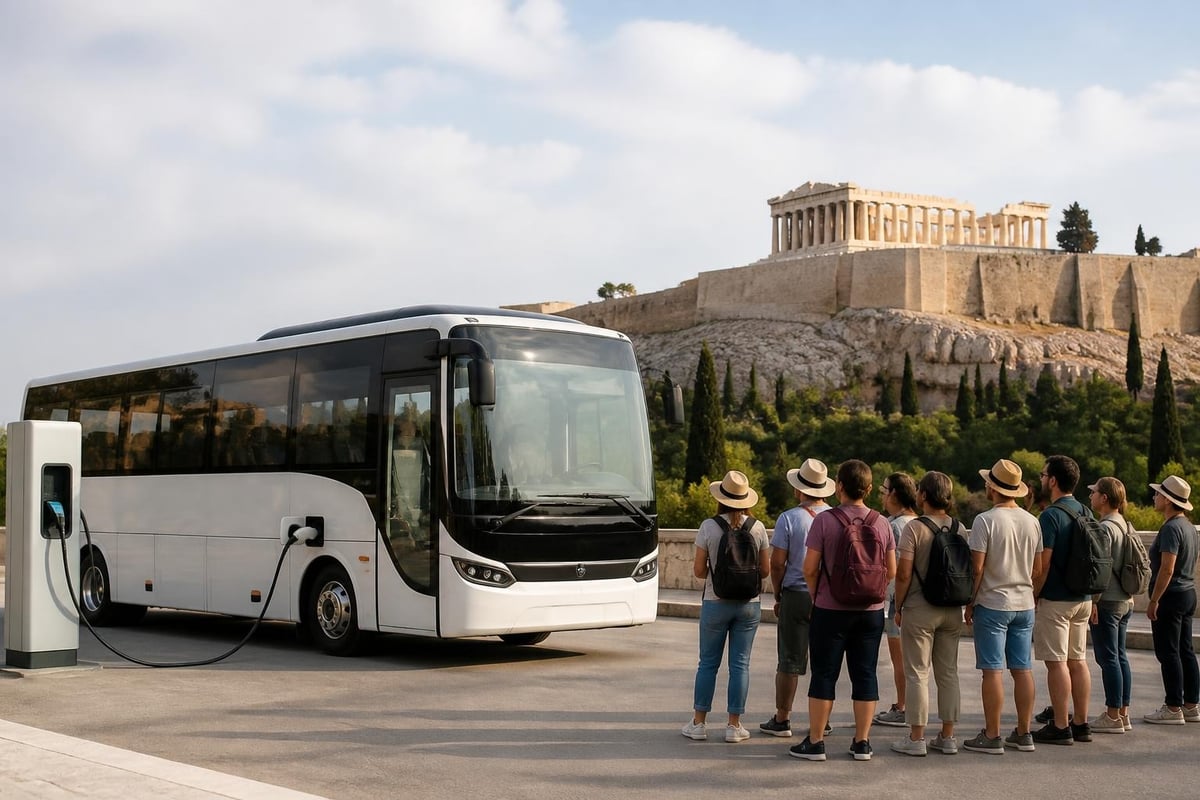
- Electric Buses: Zero tailpipe emissions, lower noise pollution, ideal for short urban routes with reliable charging infrastructure
- BioCNG Vehicles: Renewable compressed natural gas reduces carbon footprint while maintaining operational range
- Hybrid Systems: Combined electric and conventional power offers flexibility for varied route lengths
- Optimized Diesel: Euro VI engines with advanced emissions controls represent incremental improvement for operators with budget constraints
Research on bus electrification in Malaysia reveals that total cost of ownership and life-cycle externalities must be weighed against upfront capital investments. For heritage-focused tour operators in cities like Kathmandu, the choice of sustainable technology depends on local infrastructure, route characteristics, and passenger volume patterns.
Comparative analysis of greenhouse gas emissions across different bus powertrains shows that environmental benefits vary significantly based on local energy grids, fuel sources, and operational patterns. Tour operators committed to sustainability should conduct location-specific assessments rather than relying on generic industry recommendations.
The Hop-On Hop-Off Model Revolution
The hop-on hop-off format has redefined tour bus travel by combining structured itineraries with passenger autonomy. This model allows travelers to explore at their own pace while maintaining the convenience of organized transportation. Cities with concentrated heritage sites particularly benefit from this approach, as visitors can dedicate varying amounts of time to different locations based on personal interests.
How the Model Works
Passengers purchase a time-based pass (typically 24 or 48 hours) that grants unlimited access to a network of stops along designated routes. Buses operate on fixed schedules with frequent departures, ensuring minimal wait times. Audio guides or live commentary provide context at each location, transforming transportation into an educational experience.
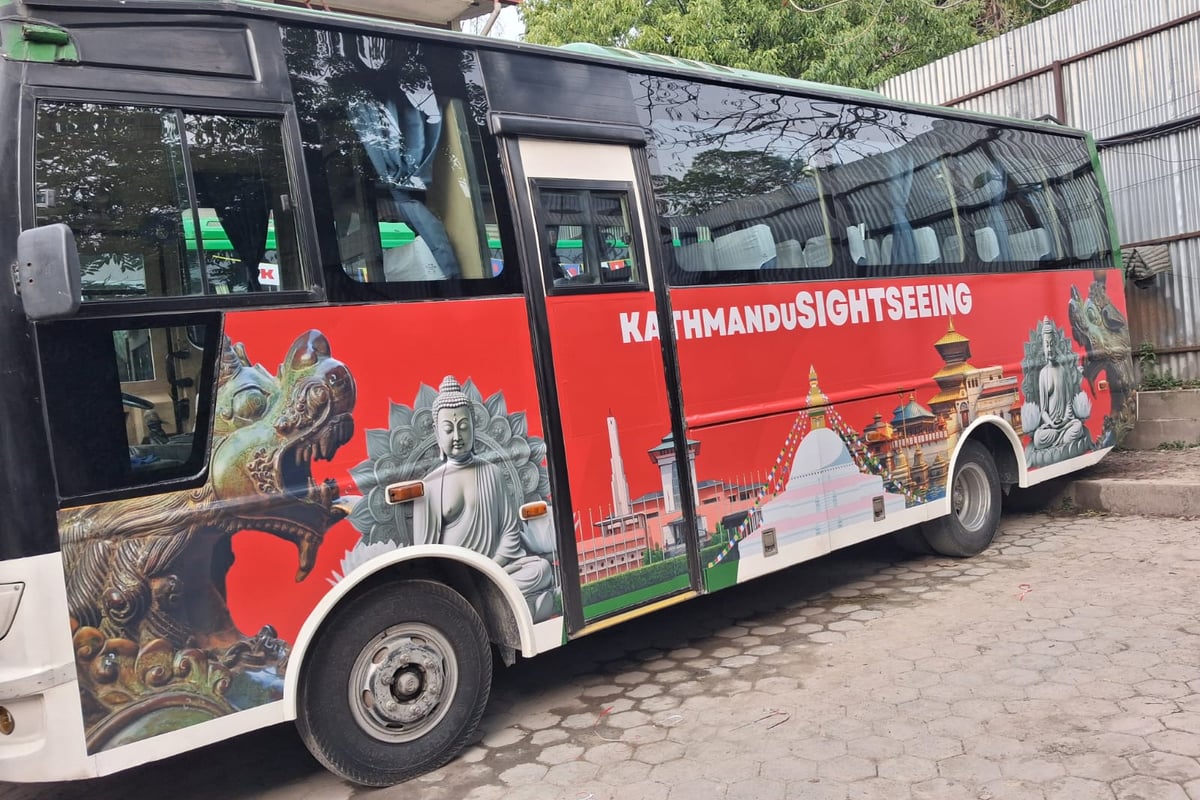
The Kathmandu Sightseeing hop on hop off bus tour exemplifies this approach by offering 24-hour access to 21 curated heritage stops throughout the valley. Specialized single-story buses navigate historic streets comfortably, allowing passengers to immerse themselves in UNESCO World Heritage Sites and local culture without the constraints of rigid group schedules.
Benefits of the hop-on hop-off model include:
- Flexibility: Travelers control their itinerary and time allocation
- Comprehensive Coverage: Single ticket provides access to multiple sites
- Expert Narration: Professional commentary enriches understanding
- Cost Efficiency: One fare covers all transportation needs
- Weather Adaptability: Passengers can adjust plans based on conditions
Planning Effective Tour Routes
Route design represents one of the most critical decisions in tour bus operations. Effective routes balance geographic coverage, time efficiency, passenger comfort, and landmark significance. Operators must consider traffic patterns, parking availability, regulatory restrictions, and seasonal variations when mapping their circuits.
Route Development Criteria
Geographic Distribution: Stops should provide logical progression through the destination, minimizing backtracking while ensuring comprehensive coverage of key attractions. Routes that connect heritage sites efficiently enhance passenger satisfaction and operational efficiency.
Timing and Frequency: Departure intervals must balance passenger wait times against operational costs. High-frequency service (every 20-30 minutes) suits popular routes, while less-trafficked circuits may operate hourly.
Duration Optimization: Complete loop times should align with passenger attention spans and comfort levels. Most successful urban tours complete circuits in 90-120 minutes, allowing for multiple daily rounds.
| Route Factor | Optimal Range | Impact on Experience |
|---|---|---|
| Total Loop Time | 90-120 minutes | Prevents fatigue |
| Number of Stops | 15-25 locations | Balances coverage vs. efficiency |
| Average Stop Spacing | 5-10 minutes | Maintains momentum |
| Departure Frequency | 20-45 minutes | Reduces wait frustration |
Understanding how to ride the bus effectively involves recognizing these route design principles. Passengers who grasp the operational logic can better plan their days and maximize the value of their passes.
Passenger Experience Enhancement
Superior tour bus travel depends on far more than transportation logistics. Operators who prioritize passenger comfort, engagement, and convenience build loyal customer bases and generate positive reviews that drive future bookings.
Onboard Amenities and Services
Modern tour buses incorporate features designed to elevate the experience:
- Climate Control: Reliable heating and cooling systems for year-round comfort
- Audio Systems: Multi-language commentary accessible via personal devices or headphones
- Connectivity: WiFi access allowing passengers to share experiences in real-time
- Accessibility Features: Wheelchair ramps, designated seating, and assistance protocols
- Information Displays: Digital screens showing route maps, next stops, and estimated arrival times
The quality of onboard narration significantly influences passenger satisfaction. Professional guides or well-produced audio content should provide historical context, cultural insights, and practical information without overwhelming listeners. The balance between education and entertainment separates exceptional tours from mediocre experiences.
Booking and Customer Service
Streamlined booking processes reduce friction in the customer journey. Online reservations, mobile ticketing, and flexible cancellation policies meet contemporary traveler expectations. Clear communication about routes, schedules, and policies prevents confusion and disappointment.
Responsive customer service teams that address questions and concerns promptly build trust and demonstrate operational professionalism. FAQ resources that anticipate common inquiries reduce support burden while empowering customers to find answers independently.
Group Travel Dynamics and Market Trends
The group travel segment represents a substantial portion of the tour bus market. According to the U.S. Travel Association's 2026 Group Travel Report, several trends have shaped the industry over the past year, including evolving demand patterns, cost pressures, and shifting booking behaviors.
Key Market Developments
Post-Pandemic Recovery: Group travel has rebounded strongly as social restrictions have eased, though traveler expectations have evolved. Passengers now prioritize health protocols, flexible cancellation terms, and transparent communication about safety measures.
Demographic Shifts: While retirees remain core customers, younger demographics increasingly embrace tour bus travel for its convenience and social aspects. Operators who adapt commentary styles, route selections, and marketing approaches to diverse age groups expand their addressable markets.
Technology Integration: Mobile apps that provide real-time bus tracking, digital ticketing, and interactive content enhance the passenger experience while generating valuable operational data.
Pricing Strategies
Effective pricing balances revenue optimization with market competitiveness:
- Dynamic Pricing: Adjust rates based on demand, season, and booking timing
- Bundle Packages: Combine tour passes with attraction admissions or meals
- Group Discounts: Incentivize larger parties while maintaining per-passenger margins
- Multi-Day Passes: Encourage extended stays and deeper destination exploration
Operators serving heritage-rich destinations like Kathmandu must consider the purchasing power of international versus domestic visitors when structuring their pricing tiers. Transparent value propositions that clearly articulate included services justify premium rates.
Operational Excellence and Business Management
Behind every successful tour bus operation lies robust business management across multiple functional areas. Financial planning, fleet management, regulatory compliance, and marketing all contribute to long-term sustainability.
Critical Business Functions
Fleet Maintenance: Preventive maintenance programs that exceed regulatory minimums reduce unexpected breakdowns and extend vehicle lifespan. Detailed maintenance logs demonstrate due diligence and support insurance claims when incidents occur.
Regulatory Compliance: Tour operators must navigate complex regulatory environments including vehicle licensing, driver certifications, insurance requirements, and operational permits. Maintaining current knowledge of evolving standards prevents legal complications.
Staff Development: Driver training, guide education, and customer service skills directly impact passenger satisfaction. Investing in employee development reduces turnover and improves service quality.
Performance Metrics: Track key indicators including passenger volume, on-time performance, customer satisfaction scores, and revenue per available seat mile. Data-driven decision making identifies improvement opportunities and validates strategic investments.
For operators focused on city sightseeing, understanding local market dynamics and cultural nuances ensures routes and services align with visitor expectations. Regular route assessments based on passenger feedback and operational data maintain relevance as destinations evolve.
Cultural Sensitivity and Local Integration
Tour bus operators in heritage-rich destinations bear responsibility for respectful engagement with local communities and cultural sites. Sustainable tourism requires balancing visitor access with preservation of authentic character and quality of life for residents.
Best Practices for Responsible Operation
Community Engagement: Consult with local stakeholders when planning routes and schedules. Avoid overconcentration during peak hours that disrupts daily life.
Heritage Protection: Ensure vehicle specifications and operational protocols protect fragile infrastructure. Vibrations, emissions, and passenger behavior can all impact historic sites.
Economic Distribution: Partner with local guides, restaurants, and artisans to distribute tourism revenue broadly rather than concentrating benefits with external operators.
Educational Content: Provide accurate historical and cultural information that fosters appreciation and respect. Avoid oversimplification or exploitation of cultural elements for entertainment purposes.
Operators committed to exploring heritage by bus should view themselves as cultural ambassadors who facilitate meaningful connections between visitors and destinations. This perspective elevates tour bus travel from mere transportation to transformative experience.
Future Innovations and Industry Evolution
The tour bus travel sector continues to evolve through technological advancement, changing consumer preferences, and environmental imperatives. Forward-thinking operators anticipate these trends and position themselves to capitalize on emerging opportunities.
Emerging Technologies
Autonomous Vehicles: While fully autonomous tour buses remain years away from widespread deployment, driver-assistance technologies already enhance safety and efficiency. Adaptive cruise control, collision avoidance systems, and lane-keeping assistance reduce driver fatigue on repetitive routes.
Augmented Reality: AR-enhanced windows that overlay historical scenes, architectural details, or navigational information onto real-world views create immersive educational experiences without requiring passengers to focus on small screens.
Predictive Maintenance: Sensor networks that monitor vehicle systems in real-time identify potential failures before they cause breakdowns, reducing unscheduled maintenance and improving reliability.
Integrated Mobility Platforms: Tour bus services that connect seamlessly with other transportation modes through unified booking and payment systems provide comprehensive journey solutions for visitors.
Shifting Consumer Expectations
Modern travelers demand experiences that combine convenience with authenticity, sustainability with comfort, and structure with flexibility. Tour bus operators who successfully navigate these sometimes contradictory desires will thrive in an increasingly competitive marketplace.
Personalization represents a growing expectation. While tour buses inherently serve groups, technology enables customized commentary, flexible itineraries, and individual service elements that make passengers feel recognized rather than anonymous.
Transparency about environmental impact, safety protocols, and business practices builds trust with conscientious travelers. Operators who communicate openly about their sustainability efforts, accident prevention measures, and community partnerships differentiate themselves from competitors who treat these topics as afterthoughts.
Tour bus travel in 2026 represents a sophisticated industry balancing tradition with innovation, convenience with sustainability, and profitability with responsibility. Whether you're planning your first sightseeing excursion or seeking to understand the operational excellence behind seamless tours, the fundamentals remain constant: safe vehicles, knowledgeable guides, thoughtful routes, and genuine respect for destinations and passengers alike. Kathmandu Sightseeing brings these principles to life through carefully curated heritage tours that connect travelers with the valley's UNESCO World Heritage Sites and vibrant local culture, offering an authentic journey through one of the world's most historically significant destinations.