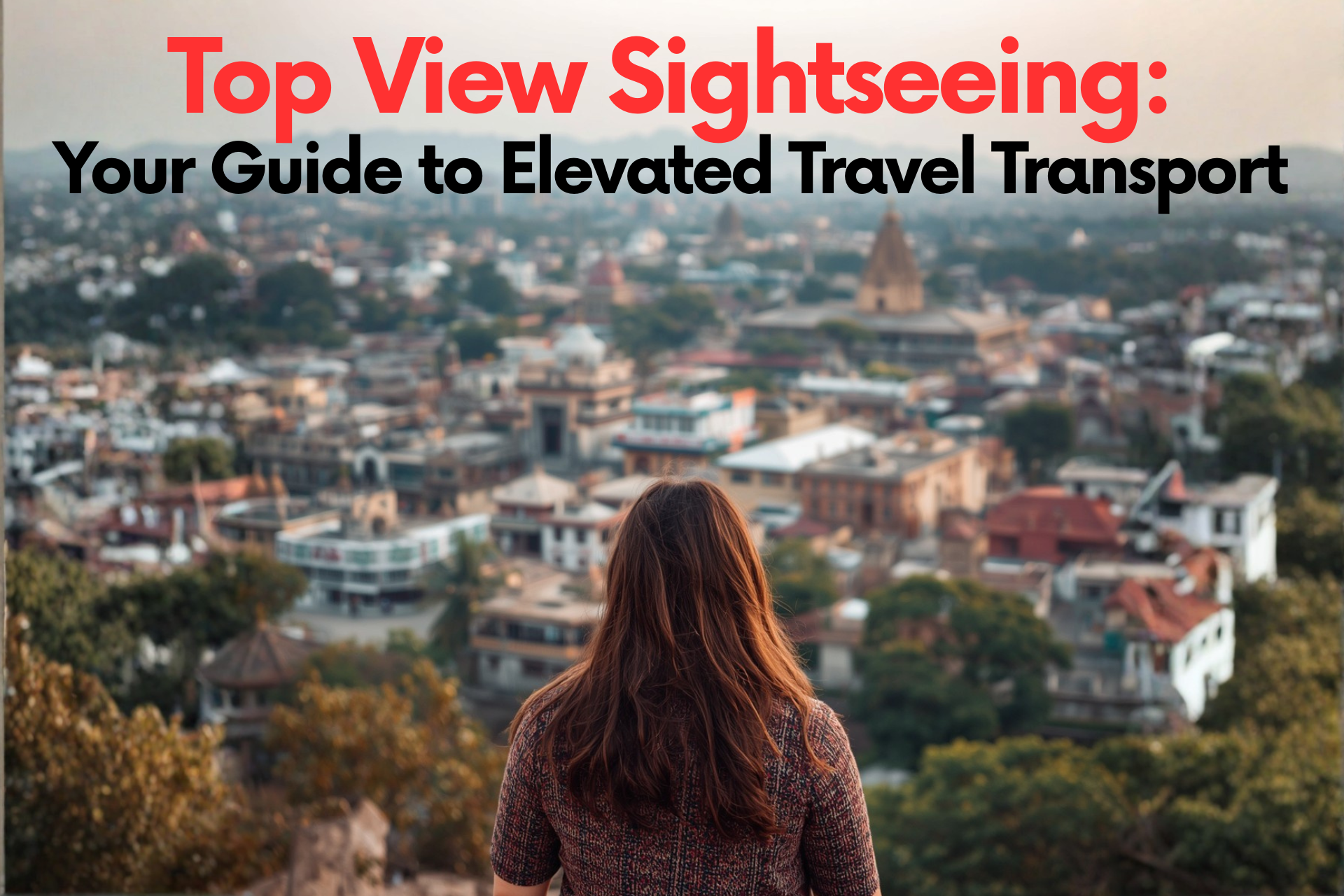
Experiencing destinations from elevated perspectives has revolutionized how travelers engage with cities and landscapes. Top view sightseeing offers a unique vantage point that reveals patterns, architecture, and urban planning invisible from ground level. Whether through observation decks, aerial photography, or specialized tour vehicles, this approach to exploration provides context and understanding that enriches every journey.
Understanding the Appeal of Elevated Perspectives
Top view sightseeing transforms ordinary travel into extraordinary visual experiences. From above, cities reveal their organizational structure, historical development, and architectural diversity in ways impossible to grasp from street level.
The Psychology Behind Elevated Views
Humans naturally seek higher ground for safety and perspective. This instinctive behavior translates into travel preferences, where elevated viewpoints provide both literal and metaphorical clarity. Aerial perspectives reduce visual clutter, allowing travelers to focus on broader patterns and relationships between landmarks.
Research demonstrates that elevated views enhance spatial memory and environmental understanding. Visitors who experience destinations from above retain more detailed mental maps and better comprehend geographic relationships between sites.
Methods for Achieving Top View Sightseeing
Multiple approaches enable travelers to access elevated perspectives, each offering distinct advantages and experiences.
Traditional Observation Platforms
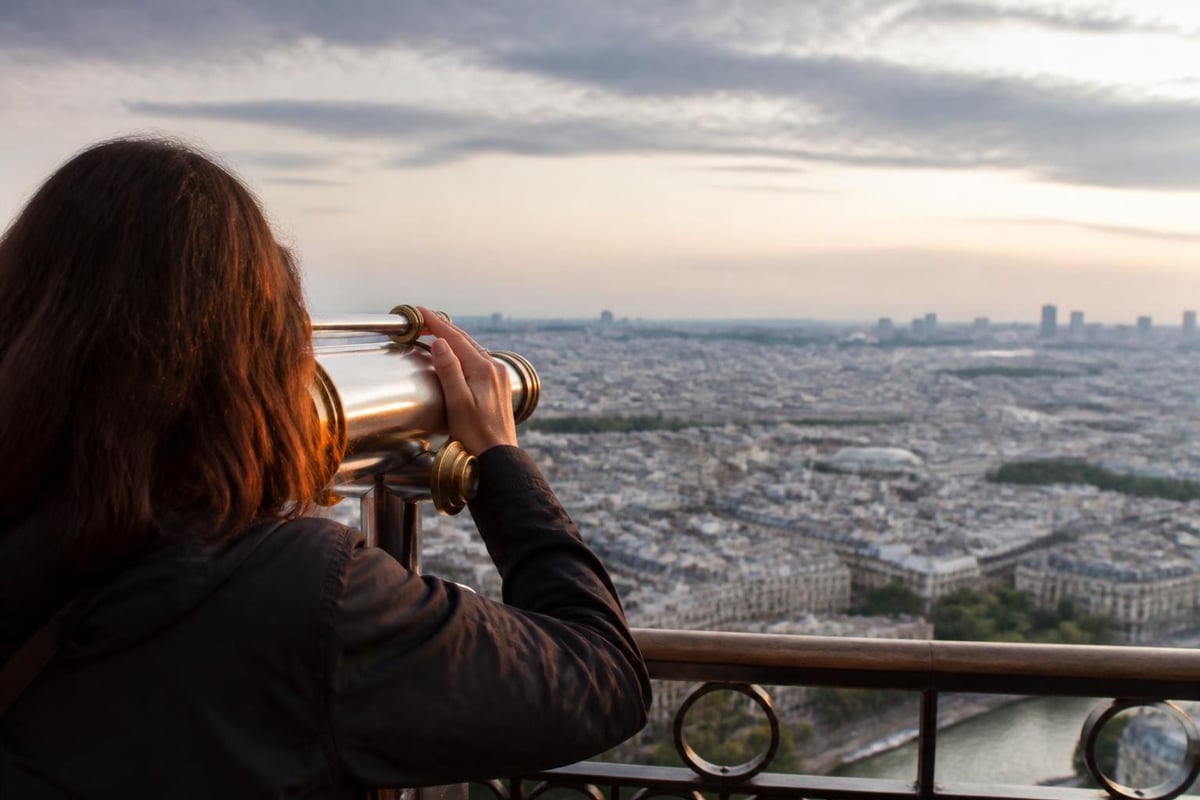
Historic towers, modern skyscrapers, and purpose-built observation decks provide static elevated viewpoints. These locations offer:
- Stability for photography and extended viewing
- Educational materials explaining visible landmarks
- Climate-controlled environments for comfortable observation
- Accessibility features for diverse visitor needs
Many heritage cities incorporate viewing platforms into their tourism infrastructure, allowing visitors to appreciate architectural evolution and urban sprawl from fixed positions.
Aerial Photography and Drone Technology
Modern technology has democratized access to top view sightseeing through consumer drones and aerial photography. Tom's Guide offers practical advice on drone operation, essential for travelers seeking to capture their own elevated perspectives.
| Method | Advantages | Considerations |
|---|---|---|
| Consumer Drones | Flexible positioning, affordable | Regulations, skill requirements |
| Helicopter Tours | Professional results, guided experience | Higher cost, limited availability |
| Observation Decks | Safe, accessible, no equipment needed | Fixed position, potential crowds |
| Open-top Buses | Mobile viewing, guided commentary | Weather dependent, height limitations |
The choice of method depends on budget, technical ability, and desired outcomes. Many travelers combine multiple approaches for comprehensive coverage.
Specialized Tour Vehicles
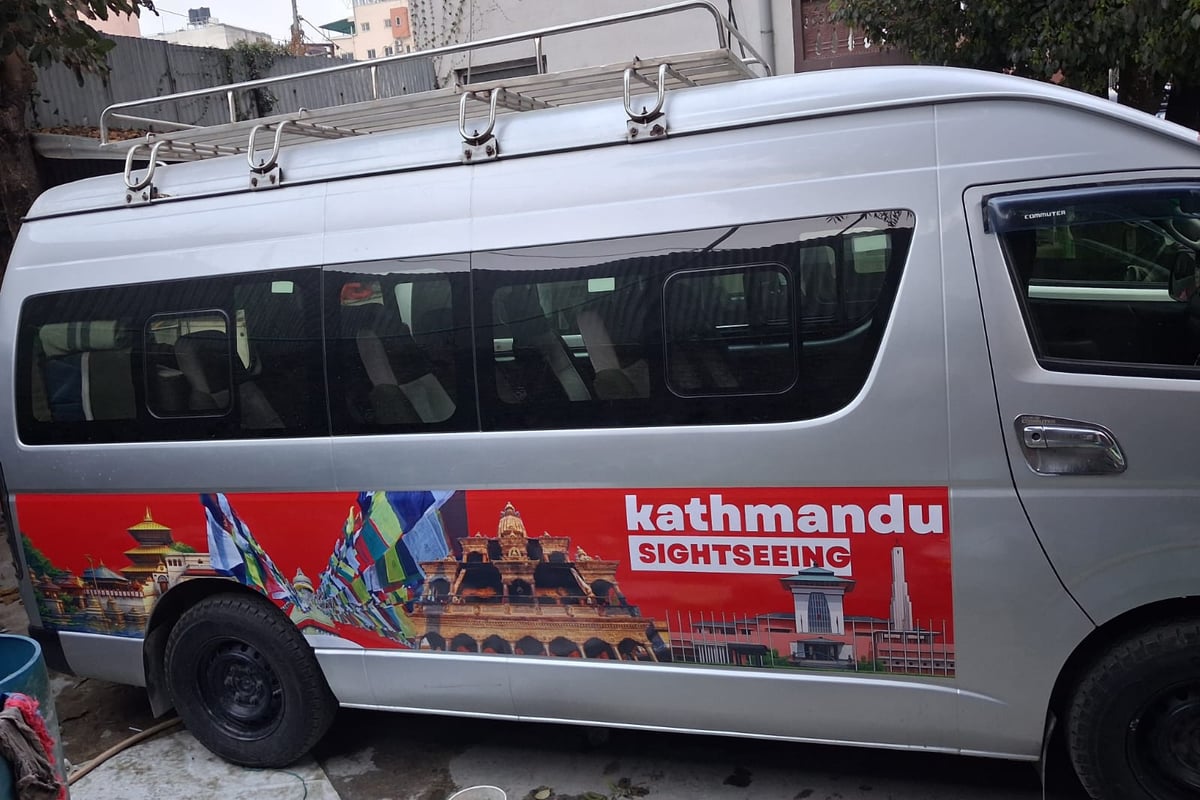
Double-decker buses and open-top vehicles provide mobile top view sightseeing opportunities. These platforms offer elevation while maintaining street-level proximity, creating a hybrid perspective that balances overview with detail.
The Hop-On, Hop-Off Tour Bus service exemplifies this approach, using specialized single-story buses designed for narrow historic streets while still providing enhanced viewing angles across 21 heritage stops throughout the valley.
Technical Considerations for Top View Photography
Capturing quality images from elevated positions requires understanding unique challenges and opportunities.
Lighting and Timing
Lighting and time of day significantly impact aerial photography quality. Golden hour-the period shortly after sunrise or before sunset-provides warm, directional light that emphasizes architectural features and reduces harsh shadows.
Midday light, while providing maximum visibility, creates strong contrasts that can obscure details. Overcast conditions offer even illumination ideal for documenting urban landscapes without dramatic shadows.
Equipment Selection and Settings
Successful top view sightseeing photography demands appropriate equipment choices:
- Wide-angle lenses capture expansive cityscapes
- Stabilization systems counteract movement and vibration
- Polarizing filters reduce glare and enhance sky contrast
- Fast shutter speeds minimize motion blur from vehicle movement
Adobe's insights into aerial photography demonstrate how post-processing enhances elevated images, correcting perspective distortion and optimizing color balance for professional results.
Benefits for Cultural and Historical Understanding
Top view sightseeing provides educational value beyond aesthetic appreciation. Elevated perspectives reveal historical development patterns and cultural organization invisible from ground level.
Urban Planning and Architecture
Cities tell stories through their layouts. From above, travelers discern:
- Historical city centers distinguished by organic street patterns
- Colonial planning visible in grid systems and wide boulevards
- Modern development characterized by uniform spacing and geometric precision
- Cultural districts identified through architectural clustering
This bird's-eye understanding enhances appreciation for how societies organize themselves spatially and evolve over time.
Heritage Site Relationships
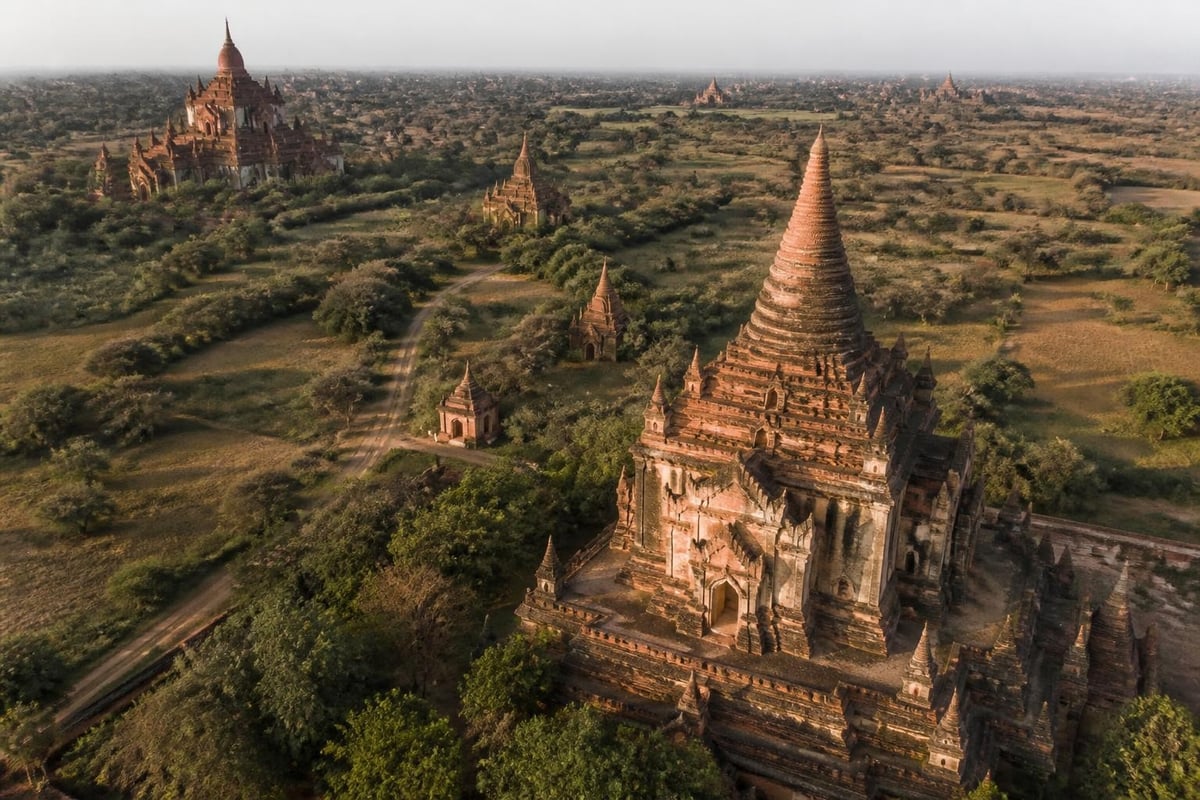
UNESCO World Heritage Sites often exist within larger cultural contexts. Top view sightseeing clarifies spatial relationships between monuments, revealing how ancient civilizations positioned temples, palaces, and public spaces in deliberate patterns reflecting cosmological or practical considerations.
Planning Your Top View Sightseeing Experience
Successful elevated exploration requires strategic planning to maximize opportunities and minimize frustrations.
Research and Preparation
Before departing, identify available elevated viewpoints and their characteristics. Consider:
- Operating hours and seasonal availability
- Weather requirements for outdoor platforms
- Reservation systems that limit spontaneous access
- Photography restrictions at sensitive locations
Kathmandu Sightseeing's tour planning resources help visitors understand optimal viewing times and locations for various heritage sites throughout the valley.
Weather and Seasonal Factors
Atmospheric conditions dramatically affect top view sightseeing quality. Clear days provide maximum visibility but may include harsh shadows. Partially cloudy conditions often yield the most photogenic results, with clouds adding visual interest without obscuring landmarks.
Seasonal variations influence both visibility and accessibility. Monsoon periods may limit aerial activities while providing dramatic cloud formations. Winter months typically offer clearer atmospheres but shorter daylight hours.
Safety and Regulatory Compliance
Different locations impose varying restrictions on elevated viewing activities. Drone operators must research local regulations, as many cities prohibit unmanned aircraft near heritage sites, airports, or government buildings.
When participating in city sightseeing bus experiences, follow safety guidelines regarding standing, leaning, and photography from moving vehicles.
Advanced Techniques for Enthusiasts
Experienced travelers and photographers can enhance top view sightseeing through specialized approaches.
Time-Lapse and Panoramic Photography
Stationary elevated positions enable advanced techniques:
- Time-lapse sequences capture changing light and activity patterns
- Panoramic stitching creates ultra-wide views beyond single-frame capabilities
- Long exposures transform vehicle traffic into light trails
- HDR bracketing preserves detail in high-contrast scenes
These techniques require tripods or stable mounting systems and extended observation periods at single locations.
Motion Tracking and Cinematic Approaches
Advancements in aerial cinematography enable smooth tracking of moving subjects from elevated perspectives. Professional-grade gimbals and stabilization systems create fluid motion that enhances storytelling and viewer engagement.
For travelers documenting their journeys, understanding basic cinematographic principles improves video quality. Smooth panning movements, deliberate framing, and thoughtful composition transform raw footage into compelling narratives.
Integrating Top View Sightseeing with Ground-Level Exploration
The most comprehensive travel experiences combine elevated and street-level perspectives for complete understanding.
Creating Mental Maps
Begin visits with top view sightseeing to establish spatial relationships and identify priority destinations. This overview creates a mental framework that subsequent ground-level exploration fills with detail and context.
After experiencing locations from above, street-level visits gain additional meaning. Recognizing how individual buildings fit into broader architectural patterns or how specific temples relate to surrounding structures deepens appreciation.
Documentation Strategies
Effective travel documentation includes both perspectives:
| Perspective | Purpose | Best For |
|---|---|---|
| Top View | Context, patterns, relationships | Orientation, overview shots |
| Ground Level | Details, human scale, textures | Architectural elements, cultural interactions |
| Mid-Level | Transition, building facades | Balancing context with detail |
Combining these viewpoints in photo albums or travel videos provides viewers with comprehensive destination understanding.
Maximizing Value from Guided Top View Sightseeing Tours
Professional tour services optimize elevated viewing experiences through expertise and logistics management.
Expert Commentary and Context
Knowledgeable guides transform visual observation into educational experiences. They identify significant landmarks, explain historical contexts, and highlight details easily overlooked by independent travelers.
When booking nature sightseeing experiences, guides provide ecological information that enriches visual appreciation of landscapes and environmental features.
Logistical Advantages
Organized tours eliminate planning complications:
- Optimized routing ensures efficient coverage of viewpoints
- Timing coordination positions groups at locations during ideal lighting
- Reserved access bypasses crowds at popular observation points
- Transportation management removes navigation and parking concerns
These benefits allow travelers to focus on experience rather than logistics, particularly valuable in unfamiliar destinations.
Group Dynamics and Shared Experience
Shared top view sightseeing creates communal moments that solo travel cannot replicate. Exchanging observations with fellow travelers often reveals perspectives and details individual viewers might miss.
Environmental and Ethical Considerations
Responsible top view sightseeing balances personal enjoyment with preservation and respect for local communities.
Minimizing Environmental Impact
Aerial activities, particularly drone operation and helicopter tours, consume resources and generate emissions. Travelers committed to sustainable tourism should:
- Choose electric or hybrid vehicles when available
- Limit flight duration for drone photography
- Support tour operators with demonstrated environmental commitments
- Consider carbon offset programs for aerial activities
Sustainable tour practices help preserve destinations for future generations while maintaining current access.
Respecting Privacy and Cultural Sensitivity
Elevated perspectives enable observation into private spaces and sacred areas. Ethical travelers avoid:
- Photographing private residences without permission
- Flying drones over religious ceremonies or sensitive sites
- Sharing images that compromise individual privacy
- Ignoring local customs regarding sacred viewpoints
Cultural sensitivity ensures communities maintain positive relationships with tourism while visitors enjoy authentic experiences.
Future Trends in Top View Sightseeing
Technological advancement and changing travel preferences continue shaping elevated tourism experiences.
Virtual and Augmented Reality Integration
Emerging technologies combine physical elevation with digital enhancement. Augmented reality overlays historical reconstructions onto modern cityscapes, allowing viewers to witness how locations appeared centuries ago while observing current conditions.
Virtual reality enables armchair travelers to experience elevated perspectives remotely, democratizing access for individuals unable to visit physically.
Automated Aerial Systems
Visual place recognition techniques in aerial robotics enable autonomous systems to navigate complex urban environments safely. Future top view sightseeing may incorporate AI-guided aerial platforms that automatically optimize positioning for photography and observation.
Sustainable Aviation Technologies
Electric vertical takeoff and landing aircraft promise quieter, cleaner aerial sightseeing options. These innovations may make helicopter-style tours more environmentally acceptable and accessible to broader audiences.
Top view sightseeing fundamentally enhances travel by providing context, revealing patterns, and creating memorable perspectives that ground-level exploration cannot match. Whether through traditional observation decks, modern drone technology, or specialized tour vehicles, elevated viewpoints transform how we understand and appreciate destinations. Kathmandu Sightseeing offers an ideal opportunity to experience these benefits firsthand, combining comfortable elevated viewing positions with expert guidance through the valley's UNESCO World Heritage Sites and cultural treasures. Begin your elevated exploration journey today and discover how perspective changes everything.