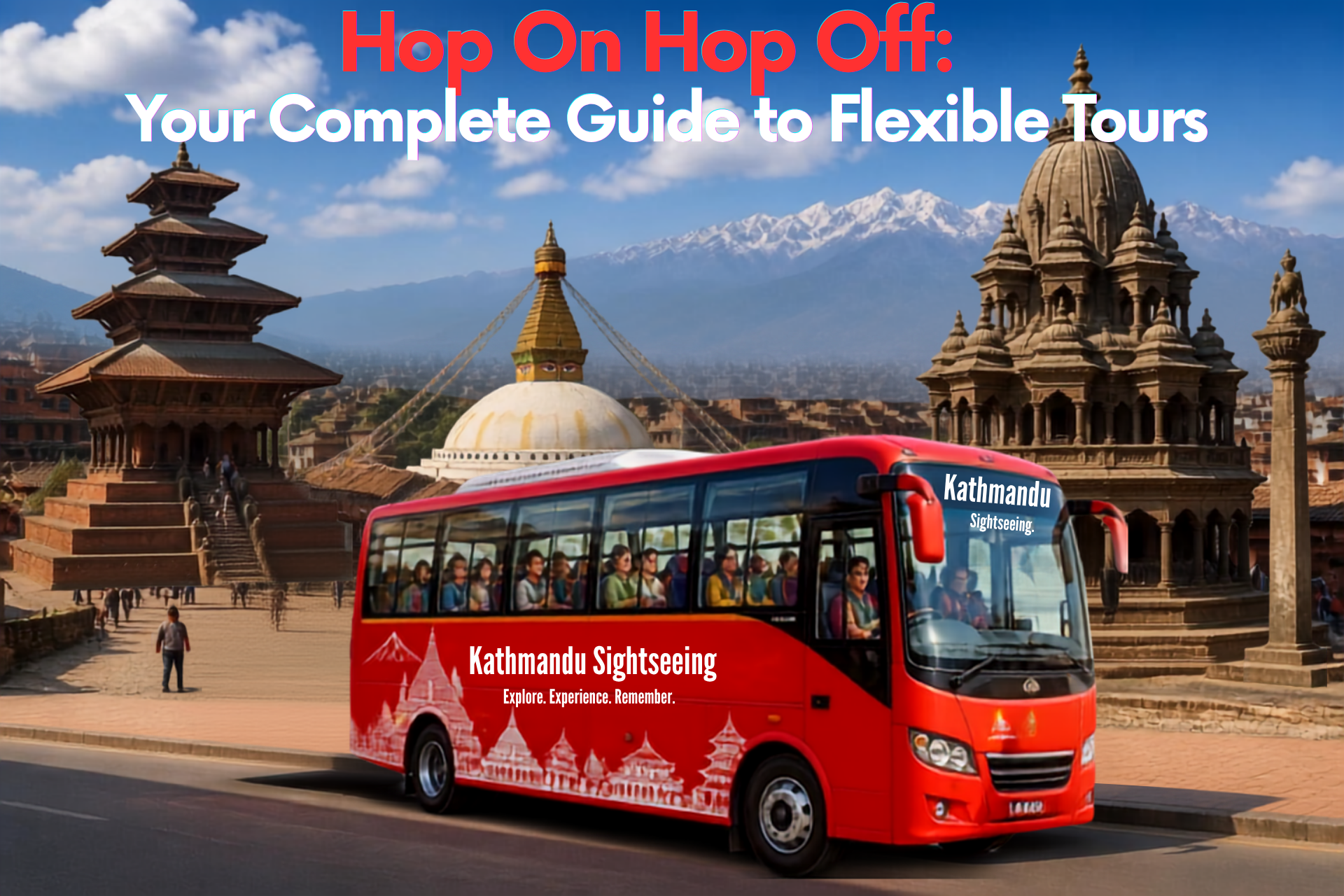
The modern traveler demands flexibility, authenticity, and comprehensive coverage when exploring a new destination. Traditional guided tours often lock visitors into rigid schedules, while independent exploration can miss crucial historical context and hidden gems. The hop on hop off model bridges this gap perfectly, offering the freedom to craft your own itinerary while maintaining the structure and expertise of professional tour services. This innovative approach to sightseeing has transformed how millions of tourists experience cities worldwide, particularly in culturally rich destinations where heritage sites demand varying amounts of exploration time.
Understanding the Hop On Hop Off Concept
The hop on hop off service model revolutionizes urban tourism by combining transportation, narration, and flexible scheduling into a single ticket. Unlike conventional bus tours that follow a fixed route without stops, this system allows passengers to disembark at any designated stop, explore at their own pace, and board a subsequent bus when ready to continue.
Core operational principles include:
- Multiple buses running continuous loops throughout the day
- Strategically placed stops near major attractions and landmarks
- Valid tickets for 24 or 48-hour periods rather than single journeys
- Audio commentary or live guides providing historical context
- Freedom to skip stops that don't interest you
This model emerged in the late 20th century as tour operators recognized that different travelers have vastly different interests and stamina levels. A family with young children might spend two hours at a cultural museum, while photography enthusiasts might allocate just thirty minutes before moving to a panoramic viewpoint.
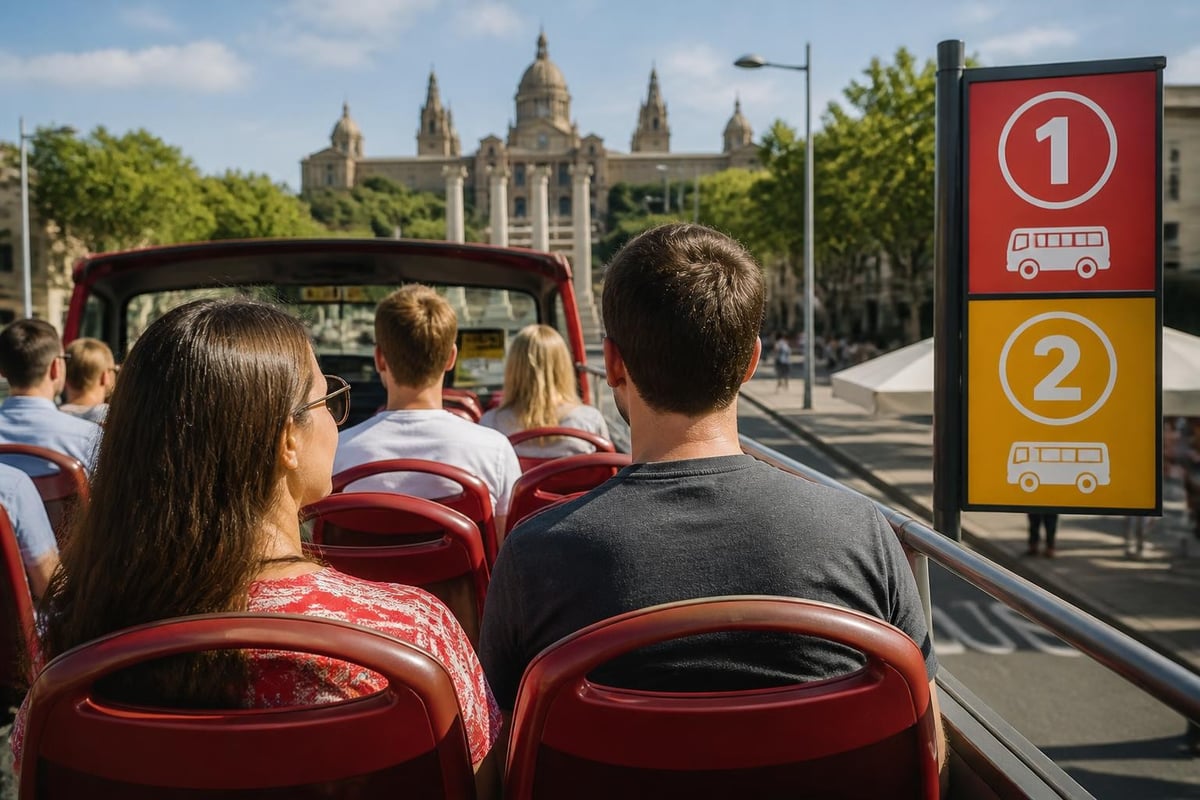
The Evolution of Flexible Sightseeing
The concept of flexible urban tours predates modern hop on hop off services. Early versions appeared in major European cities during the 1960s, but the contemporary model took shape in the 1990s when operators began using distinctive red double-decker buses and implementing standardized ticketing systems. Academic research on tourist experiences reveals how these services create unique social dynamics and experiential opportunities distinct from traditional tours.
Today's hop on hop off industry has evolved significantly. According to the State of HOHO 2025 report, bookings have grown substantially post-pandemic, with operators investing heavily in technology integration, multilingual audio systems, and enhanced customer experience features. The sector now represents a significant portion of the urban tourism economy in major destinations worldwide.
Planning Your Perfect Hop On Hop Off Experience
Maximizing value from a hop on hop off ticket requires strategic planning. While the service offers spontaneity, a basic framework ensures you don't miss priority attractions or waste time backtracking through already-covered routes.
Pre-Trip Research and Route Mapping
Before boarding, study the complete route map and identify your must-see destinations. Most services publish detailed route information online, showing stop locations, average travel times between stops, and operating hours. This preparation proves especially valuable in cities with multiple route options or extensive coverage areas.
| Planning Element | Action Required | Time Investment |
|---|---|---|
| Route familiarization | Review official map, note stop numbers | 15-20 minutes |
| Priority ranking | List top 5 attractions in order of importance | 10 minutes |
| Timing considerations | Check attraction opening hours, crowd patterns | 20 minutes |
| Weather planning | Identify indoor alternatives for inclement weather | 10 minutes |
Consider starting your journey early in the day when buses are less crowded and major attractions have shorter queues. The best tourist bus experiences begin with morning departures, allowing maximum daylight for photography and exploration.
Optimizing Your Time at Each Stop
The freedom to disembark anywhere creates a paradox: with unlimited options, how do you decide where to invest your limited time? Apply the "tiered interest" approach by categorizing stops into three levels.
Tier One stops deserve 60-90 minutes of exploration. These are UNESCO World Heritage Sites, major museums, or culturally significant landmarks that form the core of your destination's identity. Don't rush these experiences simply because another bus arrives every twenty minutes.
Tier Two locations warrant 30-45 minutes. These include secondary museums, historic neighborhoods, gardens, or viewpoints that add depth to your understanding but aren't essential to your itinerary.
Tier Three stops require just 15-20 minutes for photos, brief observations, or quick refreshments. Many travelers use these shorter stops to break up longer bus segments or take advantage of restroom facilities.
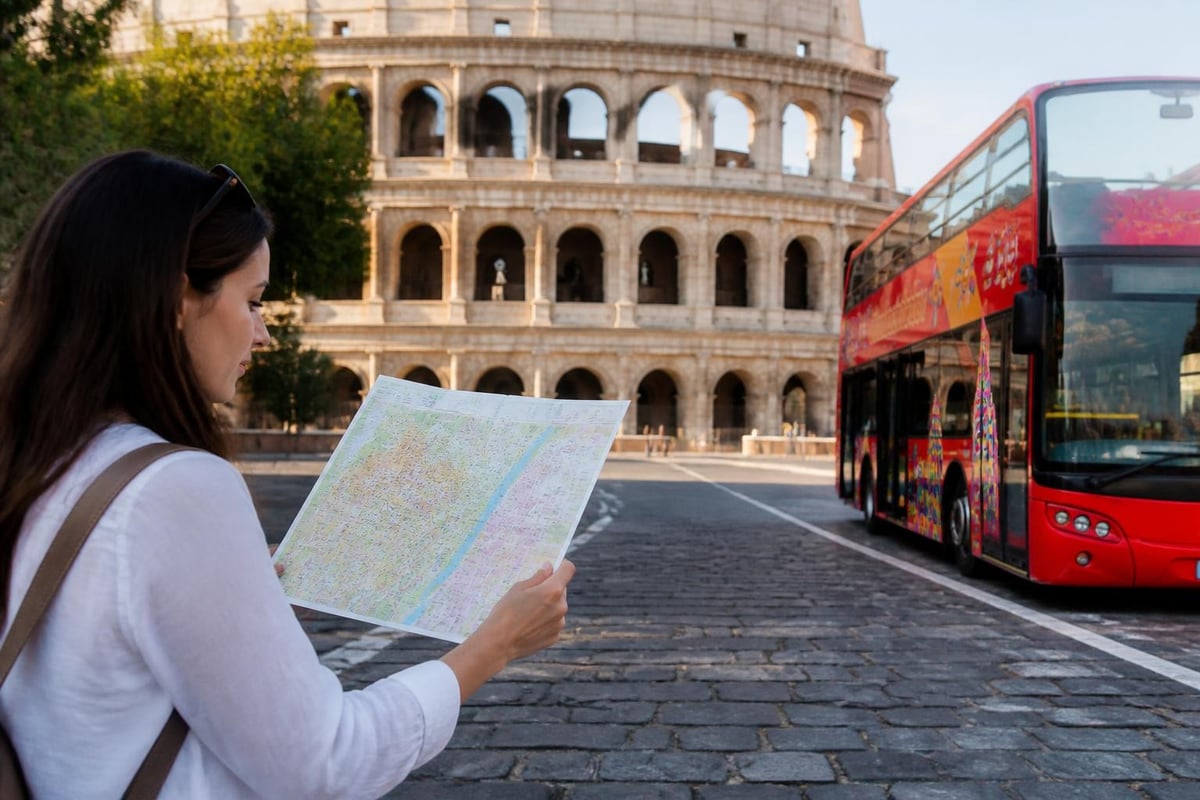
Heritage Exploration Through Flexible Touring
Cities with deep historical roots benefit tremendously from the hop on hop off model. Heritage sites often require contemplative time for full appreciation, something rushed group tours simply cannot accommodate. When exploring ancient temples, palaces, or archaeological zones, the ability to linger creates meaningful connections with cultural legacy.
Cultural Context and Audio Narration
Professional narration transforms simple transportation into an educational experience. Quality hop on hop off services employ historians, cultural experts, and professional voice talent to craft compelling narratives that unfold as the bus travels between stops. These recordings provide context you might miss during independent exploration.
Modern systems offer multilingual options, ensuring international visitors can access information in their preferred language. Some advanced services now feature GPS-triggered commentary that automatically syncs with your location, delivering relevant information precisely when needed.
The heritage bus concept emphasizes this educational component, recognizing that vehicle aesthetics and comfort matter less than the quality of information delivered and the accessibility of significant cultural landmarks.
Operational Excellence in Hop On Hop Off Services
Behind every successful hop on hop off operation lies complex logistics, regulatory compliance, and continuous service optimization. Understanding these operational elements helps travelers appreciate the value they receive and sets realistic expectations.
Route Design and Stop Selection
Effective route planning balances comprehensive coverage with reasonable travel times. Research on route optimization demonstrates that successful services consider multiple factors including attraction density, traffic patterns, accessibility requirements, and geographic distribution when designing circuits.
Stop placement requires careful consideration. Ideal locations provide:
- Safe boarding and alighting zones away from heavy traffic
- Proximity to attraction entrances (within 200 meters walking distance)
- Clear visibility and signage for passenger orientation
- Shelter from weather when possible
- Accessibility compliance for passengers with mobility challenges
Operators must also navigate complex regulatory frameworks. In many jurisdictions, hop on hop off services occupy a gray area between public transportation and private tour operations. UK government guidance illustrates how different regulatory bodies classify these services, while Boston's municipal guidelines show how cities manage sightseeing vehicle permits and operational standards.
Frequency and Reliability Standards
Service frequency directly impacts customer satisfaction. Industry standards suggest buses should arrive at each stop every 15-30 minutes during peak seasons, ensuring passengers never wait excessively long to continue their journey. This frequency requires careful fleet management and real-time operational monitoring.
Key performance indicators include:
- Average wait time per stop
- Schedule adherence rates
- Vehicle cleanliness scores
- Audio system functionality
- Staff courtesy and knowledge ratings
The tour bus stop infrastructure plays a crucial role in maintaining these standards, requiring clear signage, accurate timing information, and comfortable waiting areas.
Accessibility and Inclusive Tourism
Modern hop on hop off services must accommodate diverse passenger needs, including elderly travelers, families with strollers, and people with disabilities. Research on public transport accessibility provides evidence-based recommendations for removing barriers and enhancing inclusive design in hop on hop off operations.
Physical Accessibility Features
Contemporary vehicles increasingly incorporate low-floor designs, wheelchair ramps, and designated mobility aid spaces. However, single-story buses often provide superior accessibility compared to iconic double-deckers, eliminating stair navigation entirely while maintaining good visibility through large windows.
Essential accessibility elements include:
- Ramps or hydraulic lifts with minimum 1:6 gradient ratios
- Clear aisle width accommodating wheelchairs (minimum 90cm)
- Priority seating near entry points
- Visual and audio announcements for stops
- Accessible restroom facilities at major hub locations
Audio systems should offer adjustable volume controls and induction loops for hearing aid users. Visual displays complement audio announcements, ensuring passengers with hearing impairments receive stop information.
Cognitive and Sensory Considerations
Accessibility extends beyond physical mobility. Clear route maps using universal symbols, simple color coding for different routes, and straightforward ticketing processes help passengers with cognitive differences navigate the service independently.
Sensory considerations include managing noise levels, providing quiet zones when possible, and ensuring lighting doesn't create overwhelming environments for photosensitive individuals. Staff training emphasizes patience, clear communication, and understanding diverse passenger needs.
Technology Integration and Digital Enhancement
The hop on hop off sector has embraced digital transformation, integrating mobile apps, GPS tracking, contactless payment, and personalized recommendation engines to enhance the passenger experience.
Mobile Applications and Real-Time Information
Modern hop on hop off operators offer smartphone applications providing live bus locations, accurate arrival predictions, and dynamic route updates. These apps transform the waiting experience from uncertain anticipation to informed planning.
| Feature | Passenger Benefit | Operational Advantage |
|---|---|---|
| GPS bus tracking | Know exactly when next bus arrives | Optimize fleet distribution |
| Digital tickets | Paperless, convenient access | Reduced boarding time, fraud prevention |
| Multilingual guides | Enhanced understanding regardless of language | Reduced need for multilingual staff |
| Attraction information | Research stops before visiting | Encourage longer engagement |
| Route customization | Build personalized itineraries | Collect valuable preference data |
Integration with destination marketing platforms creates comprehensive city exploration ecosystems. Passengers can purchase combination tickets including museum entries, restaurant discounts, and hop on hop off access through single digital platforms.
Seasonal Variations and Weather Adaptations
Hop on hop off services must adapt to seasonal demand fluctuations and weather conditions that dramatically affect the tourist experience. Operators in four-season destinations face unique challenges balancing capacity with variable demand.
Peak Season Management
Summer months and holiday periods bring surge demand requiring additional vehicles, extended operating hours, and enhanced stop management. Some cities experience 300% passenger volume increases during peak tourist seasons compared to winter baselines.
Effective peak management strategies include:
- Dynamic pricing to distribute demand across time periods
- Advance booking incentives reducing walk-up crowding
- Express routes supplementing standard circuits during busy hours
- Extended evening services capturing sunset photography demand
- Additional staff at high-volume stops managing queues
Weather Protection and Comfort
Open-top buses offer spectacular views but become impractical during rain or extreme temperatures. Progressive operators provide retractable canopies, while others maintain mixed fleets with both open and enclosed vehicles. The ride bus experience should remain comfortable regardless of atmospheric conditions.
Climate-controlled cabins, heated seats, and effective ventilation systems maintain passenger comfort during temperature extremes. Monsoon seasons in certain regions require comprehensive weather contingency planning, including rapid canopy deployment systems and alternative indoor routing during severe storms.
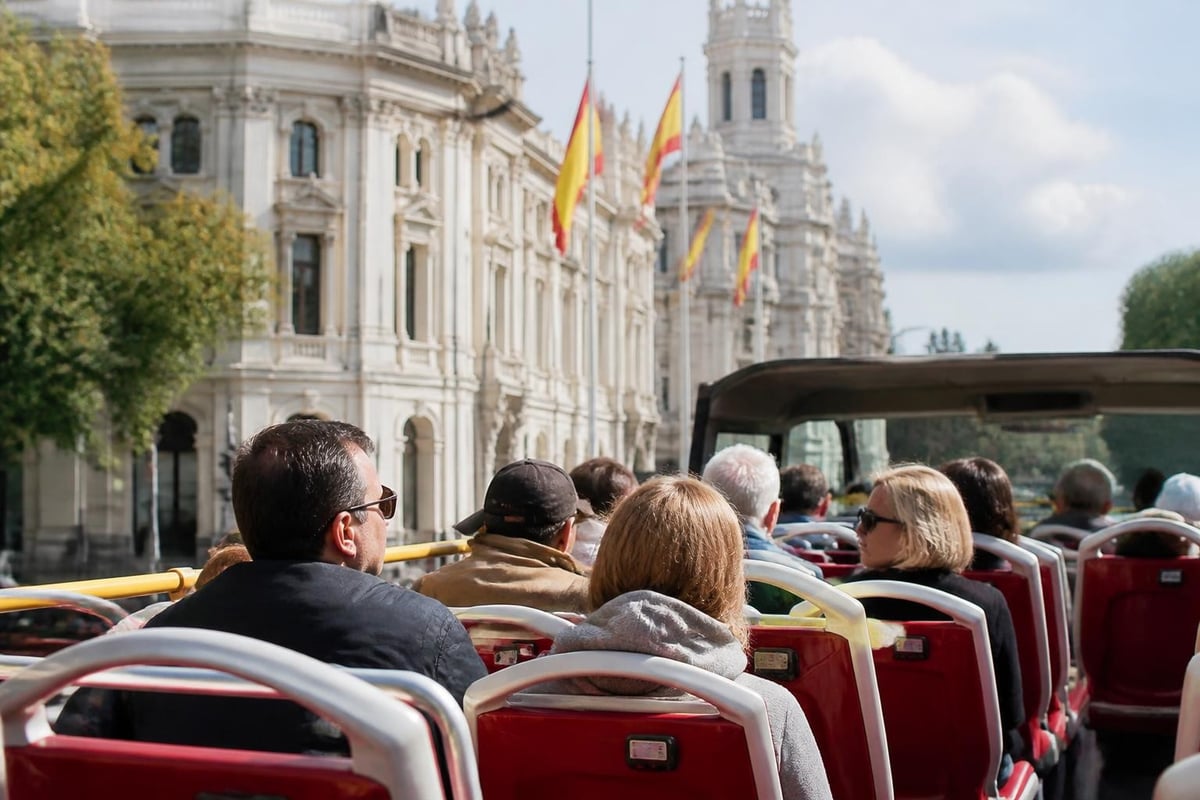
Value Propositions and Pricing Strategies
Hop on hop off tickets typically cost more than basic public transportation but less than private guided tours. Understanding this value equation helps travelers make informed decisions about whether the service matches their travel style and budget.
Cost-Benefit Analysis for Travelers
A typical 24-hour hop on hop off ticket provides access to 15-25 stops covering attractions that would collectively cost significantly more if visited via individual taxi journeys. When you factor in the educational narration, time savings from route planning, and flexibility to adjust your itinerary spontaneously, the value proposition strengthens considerably.
Comparative cost breakdown:
- 10 individual taxi journeys between attractions: $80-120
- Single-day hop on hop off ticket: $30-50
- Public bus passes (requiring route research and transfers): $10-15
- Private guided tour (fixed itinerary, no flexibility): $100-200
The tour by bus approach delivers optimal value for first-time visitors who want comprehensive city coverage without the commitment of full-day guided experiences.
Multi-Day Passes and Package Deals
Many operators offer 48 or 72-hour tickets at discounted rates compared to purchasing multiple single-day passes. These extended tickets suit travelers who prefer a relaxed pace or want to revisit favorite locations at different times of day.
Package combinations bundling hop on hop off access with attraction entries, river cruises, or cable car rides create comprehensive destination experiences while offering economies of scale. Smart travelers research these bundled options before purchasing standalone tickets.
Kathmandu's Unique Heritage Circuit
Kathmandu presents distinctive opportunities and challenges for hop on hop off services. The city's narrow historic streets, concentration of UNESCO World Heritage Sites, and rich cultural tapestry create ideal conditions for flexible touring, while traffic congestion and infrastructure limitations require creative operational solutions.
The valley's 21 curated heritage stops span ancient palace complexes, sacred Hindu temples, Buddhist stupas, and vibrant local markets that collectively tell the story of Nepal's cultural evolution. A well-designed hop on hop off service connects these dispersed sites efficiently while providing crucial historical context that independent exploration might miss.
Kathmandu Sightseeing's Hop-On, Hop-Off Tour Bus service offers comfortable, specialized single-story buses designed specifically for the valley's narrow historic streets, providing 24-hour access to explore these remarkable heritage locations at your own pace. The service balances accessibility with authenticity, ensuring modern comfort doesn't diminish the genuine cultural immersion that makes Kathmandu unforgettable.
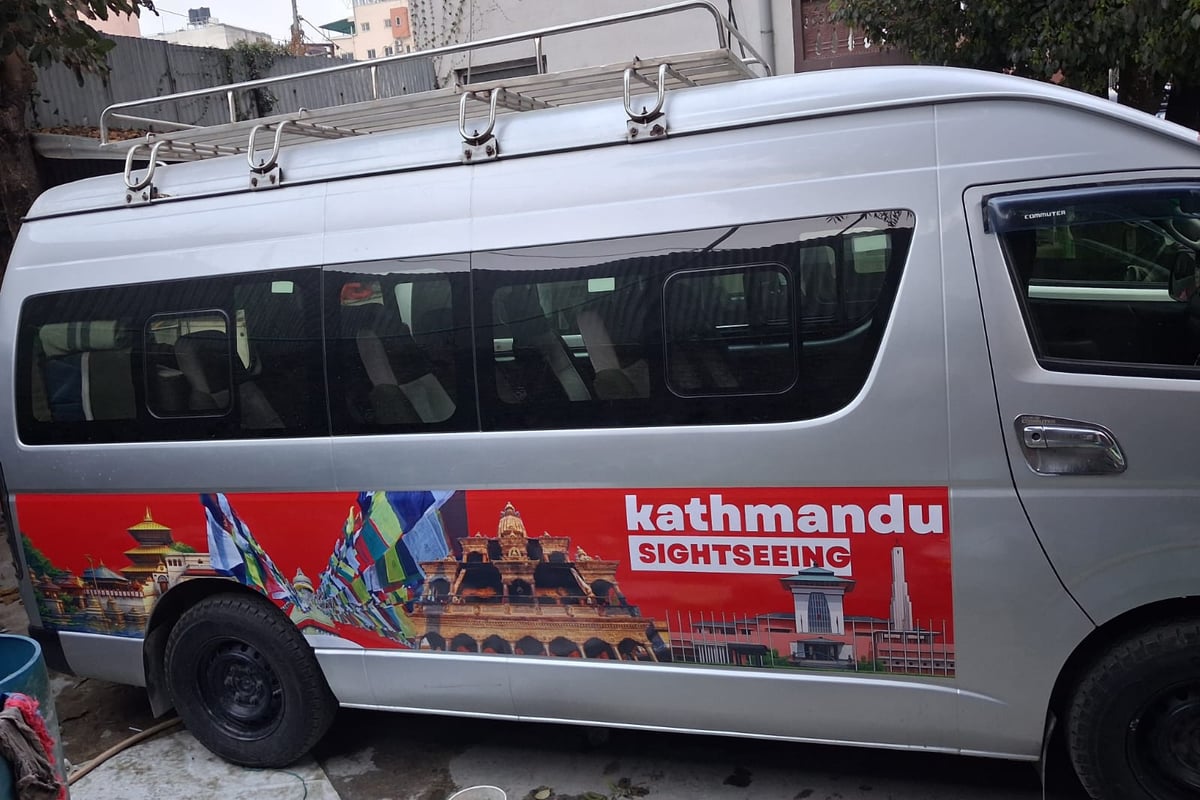
Single-story vehicle design proves particularly advantageous in Kathmandu's context, where low-hanging power lines, tree canopies, and narrow street widths make double-decker buses impractical. This practical adaptation doesn't compromise the viewing experience, as large windows and strategic stop placement ensure excellent visibility of architectural details and street life.
Cultural Sensitivity and Responsible Tourism
Operating hop on hop off services in heritage-rich environments demands cultural sensitivity and sustainable practices. Vehicles must respect the sanctity of religious sites, with designated quiet zones near temples and stupas where audio commentary is automatically muted.
Environmental considerations include:
- Low-emission or electric vehicle adoption reducing pollution near heritage sites
- Crowd management strategies preventing over-tourism at vulnerable locations
- Partnerships with local communities ensuring economic benefits reach residents
- Education programs teaching passengers appropriate behavior at religious sites
- Support for heritage conservation through ticket revenue allocation
The city by bus concept emphasizes that quality tourism respects local culture while providing authentic experiences for visitors.
Customer Experience Design
Exceptional hop on hop off services recognize that the journey itself constitutes a significant portion of the tourist experience, not merely transportation between destinations. Every touchpoint from ticket purchase through final disembarkation shapes passenger perception and satisfaction.
Onboard Experience Elements
Comfortable seating with adequate legroom, clean facilities, and functional amenities form the baseline expectations. Beyond these fundamentals, thoughtful design incorporates charging ports for electronic devices, coat hooks, secure storage for small bags, and cup holders for beverages.
Entertainment and information systems should offer multiple engagement levels. Some passengers want continuous narration and detailed historical context, while others prefer ambient music and minimal commentary. Quality systems provide volume controls, multiple language channels, and the option to disable audio entirely.
Onboard service standards:
- Clean vehicles inspected before each departure
- Functional audio systems with clear, professional narration
- Friendly, knowledgeable staff available for questions
- Safety briefings delivered clearly in multiple languages
- Comfortable temperature control regardless of weather
Stop Experience and Wayfinding
The passenger experience extends beyond the vehicle to encompass the entire stop ecosystem. Clear signage using international symbols helps non-English speakers identify correct boarding locations. Digital displays showing next bus arrival times reduce anxiety about lengthy waits.
Stop design should facilitate smooth boarding and alighting even during busy periods. Queue management systems, multiple entry doors, and clear communication from staff prevent congestion and delays. The booking a seat process, whether advance reservation or walk-up purchase, should be streamlined and intuitive.
Comparative Regional Models
Hop on hop off services vary significantly across global regions, reflecting local transportation norms, tourist demographics, regulatory environments, and cultural expectations. Understanding these variations helps operators benchmark their services and travelers set appropriate expectations.
European Model Characteristics
European cities pioneered the modern hop on hop off concept, typically featuring:
- Iconic double-decker buses as the standard vehicle type
- Highly regulated operations with strict permitting requirements
- Premium pricing reflecting high operational costs
- Integration with comprehensive public transport networks
- Strong emphasis on multilingual services for diverse tourist populations
Asian Adaptations
Asian cities often modify the European template to accommodate different infrastructure, climate, and cultural contexts. Single-story buses dominate markets where overhead clearances limit vehicle height. Covered vehicles prove essential in tropical climates with intense sun and frequent rain.
Cultural additions might include Buddhist prayer music at relevant stops, traditional architecture-inspired vehicle design, or partnerships with local artisans whose work is featured at heritage stops. The sightseeing bus becomes a cultural ambassador, not merely a transportation vehicle.
The hop on hop off model represents the evolution of urban tourism toward flexibility, education, and personalized experiences. By combining reliable transportation, expert narration, and the freedom to craft individual itineraries, these services address the diverse needs of modern travelers who seek both structure and spontaneity. Whether exploring UNESCO World Heritage Sites, discovering hidden local gems, or simply enjoying a comfortable overview of a new destination, hop on hop off tours deliver exceptional value through thoughtful design and operational excellence. Experience this innovative approach to cultural exploration with Kathmandu Sightseeing, where specialized buses and curated heritage routes create unforgettable journeys through one of the world's most culturally rich destinations.