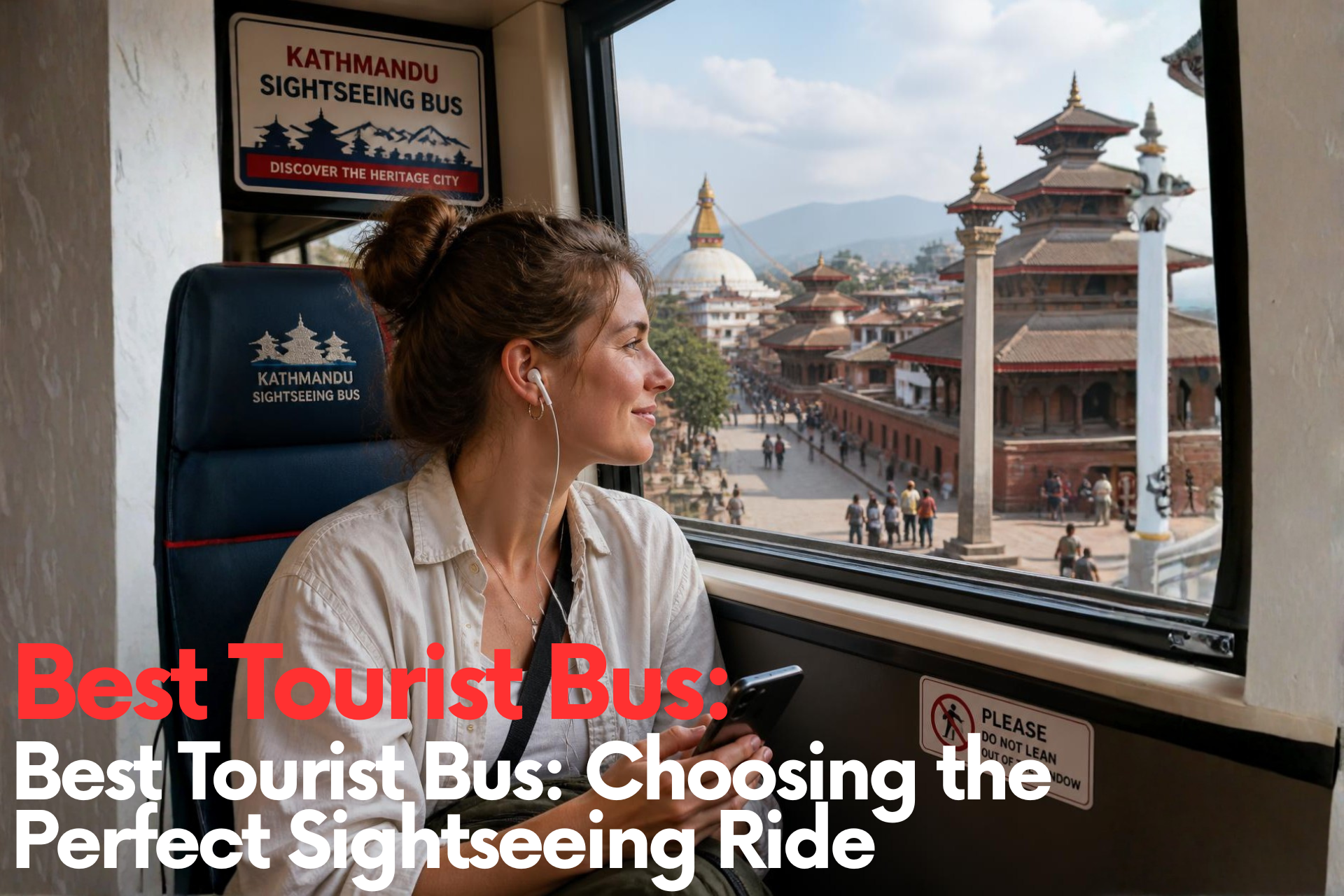
Selecting the best tourist bus for exploring a city transforms an ordinary trip into an extraordinary journey through history, culture, and architecture. Whether navigating narrow heritage streets or connecting UNESCO World Heritage Sites, the right tourist bus combines passenger comfort, safety standards, and cultural accessibility to create memorable experiences. For destinations rich in historical significance like Kathmandu, where ancient temples stand alongside vibrant markets, the quality of your sightseeing vehicle directly impacts how deeply you can engage with the destination's story and character.
What Defines the Best Tourist Bus Experience
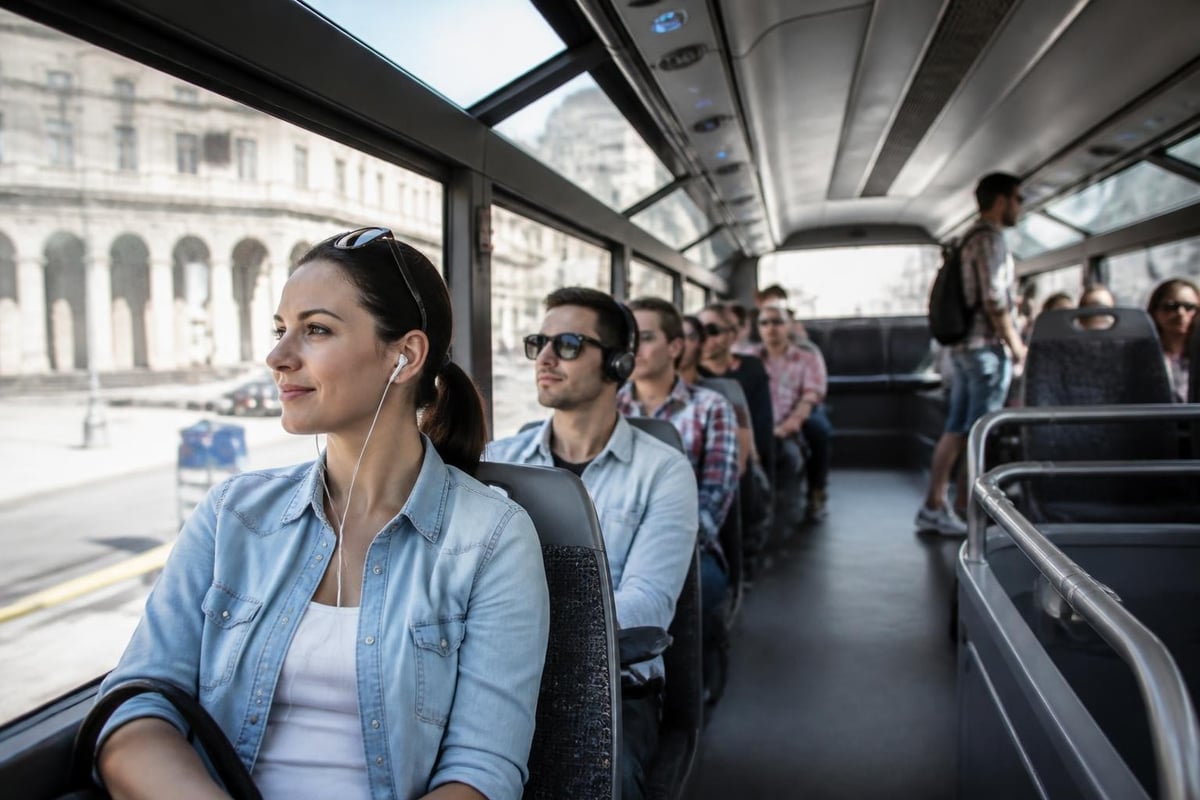
The best tourist bus goes far beyond simple transportation from point A to point B. Modern sightseeing vehicles integrate multiple passenger-focused features that enhance visibility, comfort, and engagement throughout the journey.
Essential Comfort Features
Climate control systems rank among the most critical comfort elements, especially when touring cities with variable weather conditions or high altitudes. Adjustable ventilation, heating capabilities, and air filtration ensure passengers remain comfortable regardless of external temperatures.
- Ergonomic seating with adequate legroom for extended tours
- Large panoramic windows offering unobstructed views of heritage sites
- Onboard audio systems delivering clear multilingual commentary
- USB charging ports and connectivity options for modern travelers
- Smooth suspension systems minimizing road vibration on historic streets
Passenger comfort directly correlates with engagement levels. When travelers feel physically relaxed, they absorb more cultural information and enjoy deeper connections with the destinations they visit.
Safety Standards and Certifications
Safety considerations form the foundation of any reputable tourist bus operation. The European Commission Road Safety Observatory provides comprehensive data on passenger vehicle safety measures that inform best practices worldwide.
| Safety Feature | Purpose | Industry Standard |
|---|---|---|
| ABS Braking | Prevents wheel lockup | Required in EU/US markets |
| GPS Tracking | Real-time monitoring | Standard for fleet management |
| Emergency Exits | Rapid evacuation | Minimum 2 per vehicle |
| Fire Suppression | Onboard fire control | Automated detection systems |
| First Aid Equipment | Medical emergencies | Certified kits with training |
Professional drivers undergo extensive training beyond standard licensing requirements. The best tourist bus operators invest in continuous education programs covering defensive driving, cultural sensitivity, and emergency response protocols.
Accessibility Features That Matter
Modern tourist buses prioritize inclusive design, ensuring travelers of all abilities can participate fully in sightseeing experiences. The UK government's accessibility and inclusivity guidelines outline practical standards that define excellence in this area.
Universal Design Principles
Low-floor entry systems eliminate the need for steep stairs, welcoming passengers with mobility challenges, families with strollers, and elderly travelers. Dedicated wheelchair spaces with secure fastening systems ensure safe travel for all passengers.
Audio-visual systems provide redundant information delivery, combining spoken commentary with visual displays showing route maps, upcoming stops, and cultural context. This multi-sensory approach benefits passengers with hearing or vision impairments while enhancing everyone's experience.
Tactile signage, high-contrast color schemes, and clearly marked emergency equipment contribute to a universally accessible environment. The best tourist bus designs recognize that accessibility features benefit all passengers, not just those with specific needs.
Route Flexibility and Stop Networks
The configuration of stops and routing strategies separates exceptional tourist bus services from basic transportation. Comprehensive networks balance major landmarks with hidden gems, offering passengers authentic cultural immersion.
Hop-On Hop-Off Advantages
This service model revolutionizes urban exploration by granting passengers control over their itinerary. Travelers can disembark at sites that capture their interest, spend as much time as desired, then continue aboard the next scheduled bus.
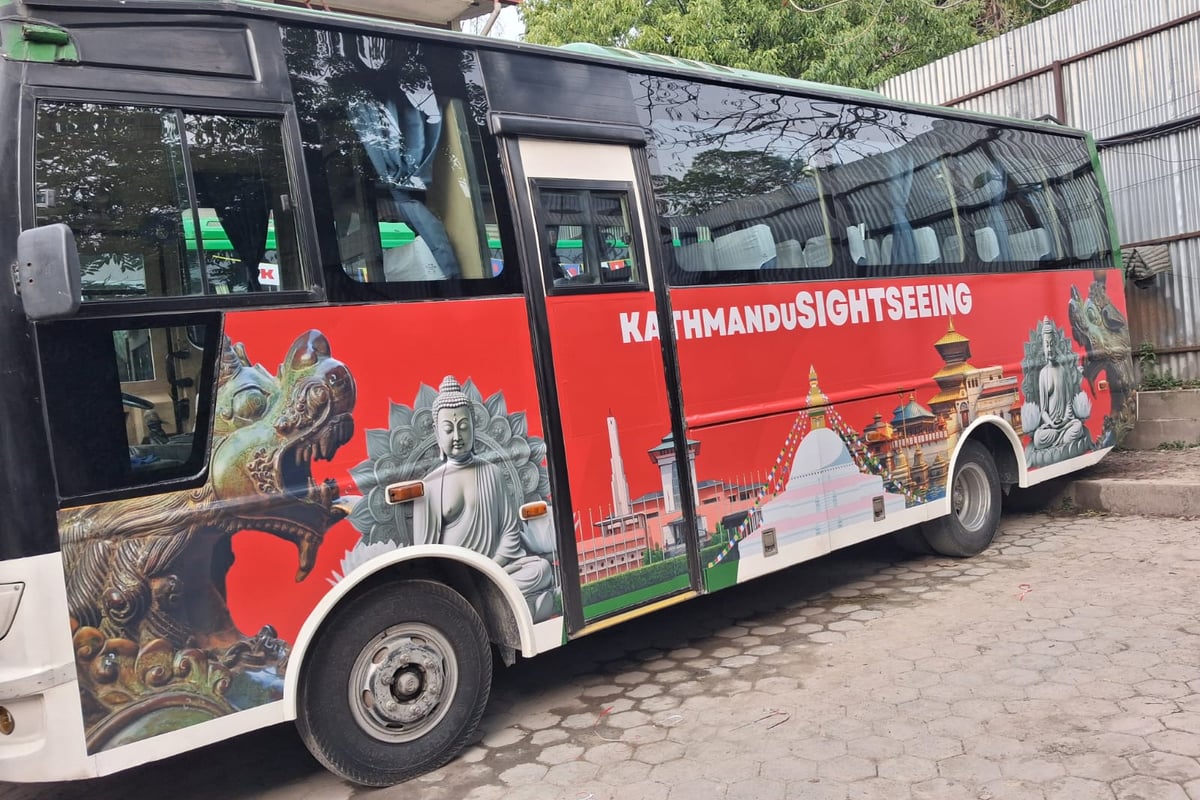
Kathmandu Sightseeing's specialized approach demonstrates how single-story buses can navigate narrow historic streets while maintaining modern comfort standards. Their 24-hour exploration service connects 21 curated heritage stops, blending major UNESCO sites with lesser-known cultural treasures.
- Flexibility to customize pace based on personal interests
- No rushed schedules or forced group timing
- Multiple loops throughout the day accommodating different schedules
- Freedom to revisit particularly meaningful sites
- Extended validity periods for multi-day exploration
The best tourist bus networks position stops within easy walking distance of attractions while considering pedestrian safety, shade availability, and proximity to amenities.
Vehicle Types and Their Applications
Different sightseeing contexts demand specific vehicle configurations. Understanding these variations helps travelers select the best tourist bus for their needs and destinations.
Single-Story vs. Double-Decker Considerations
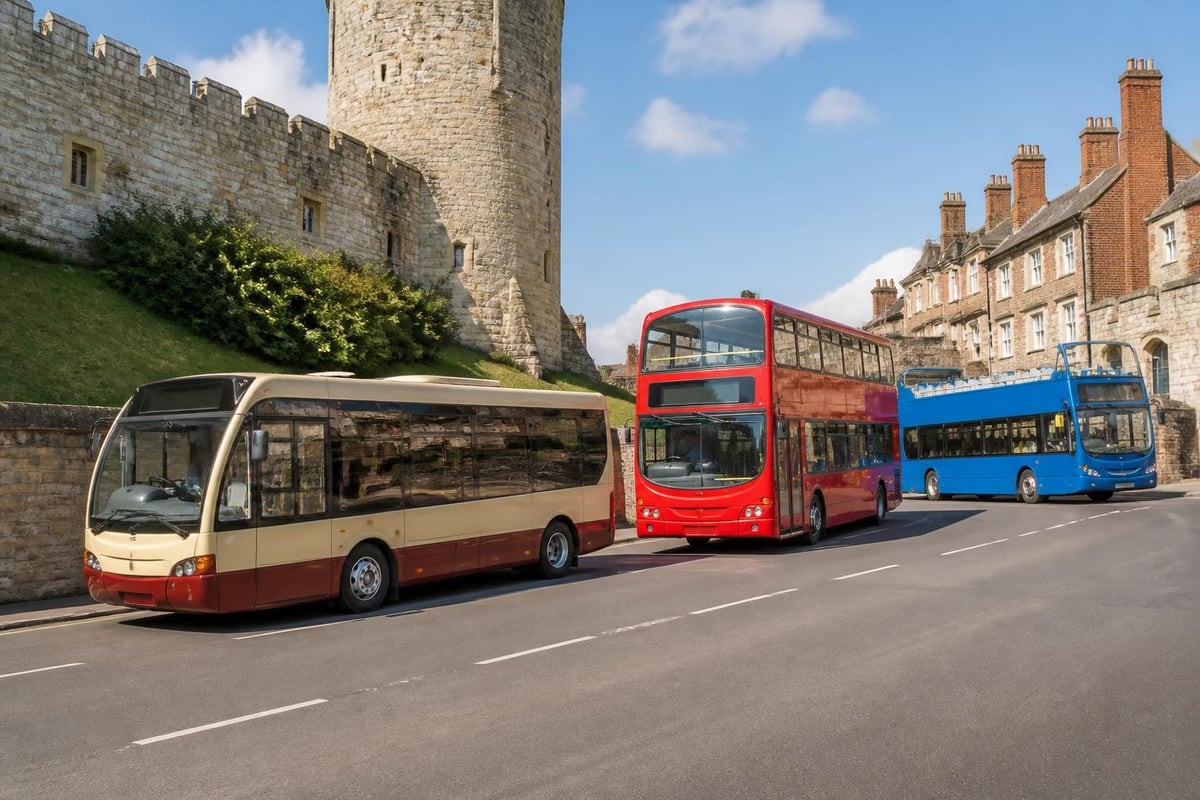
Single-story buses excel in cities with architectural constraints, overhead obstacles, or narrow passages. Their lower center of gravity provides superior stability on winding mountain roads and uneven historic streets. Passengers enjoy consistent ceiling height and easier movement throughout the vehicle.
Double-decker configurations maximize passenger capacity and offer elevated viewing positions on upper levels. However, they require sufficient clearance from tree canopies, utility lines, and architectural features like traditional gates or low bridges.
| Configuration | Best For | Limitations |
|---|---|---|
| Single-Story | Historic districts, narrow streets | Lower passenger capacity |
| Double-Decker | Modern cities, open boulevards | Height restrictions |
| Open-Top | Warm climates, unobstructed views | Weather dependent |
| Glass-Roof | Variable weather, panoramic views | Higher costs |
Heritage cities often mandate single-story vehicles to preserve historical aesthetics and protect infrastructure. Exploring heritage sites requires vehicles designed specifically for these environments.
Environmental Considerations and Sustainability
The tourism industry increasingly prioritizes environmental responsibility, pushing operators toward cleaner technologies and sustainable practices. The best tourist bus services actively reduce their ecological footprint while maintaining service quality.
Electric and Hybrid Technologies
A 2024 feasibility study from Salzburg Research examined replacing diesel tourist buses with electric alternatives in mountainous regions. Their findings demonstrate that modern battery technology can handle challenging terrain while significantly reducing emissions.
Key sustainability features include:
- Zero-emission electric powertrains for urban environments
- Regenerative braking systems recovering energy on descents
- Solar panels supplementing onboard electrical systems
- Bio-diesel alternatives for transitional periods
- Noise reduction benefiting both passengers and communities
Electric tourist buses operate almost silently, enhancing the ambiance in culturally significant areas where excessive noise detracts from the historical atmosphere. This proves particularly valuable when passing temples, meditation sites, or quiet residential neighborhoods.
Operational Efficiency
Beyond propulsion systems, the best tourist bus operators implement comprehensive sustainability programs. Route optimization reduces unnecessary mileage, while digital ticketing eliminates paper waste. Regular maintenance extends vehicle lifespan and maintains peak efficiency.
Fleet management systems track fuel consumption, identify inefficient driving patterns, and schedule preventive maintenance. These data-driven approaches simultaneously reduce costs and environmental impact.
Technology Integration for Enhanced Experiences
Modern technology transforms tourist buses into mobile information centers, connecting passengers with rich contextual content about their surroundings in real-time.
Smart Systems and Connectivity
GPS-triggered commentary automatically delivers relevant information as buses approach significant sites. Passengers hear historical context, architectural details, and cultural insights precisely when viewing the corresponding landmarks.
- Multilingual audio systems accommodate diverse international audiences
- Interactive touchscreens provide supplementary visual content and maps
- Free WiFi connectivity enables passengers to research and share experiences
- Mobile apps integrate ticketing, route tracking, and personalized recommendations
- QR codes at stops link to extended digital content and booking options
Real-time tracking visible through passenger apps reduces uncertainty about wait times and service status. Travelers can plan their day more effectively when they know exactly when the next bus arrives at their current location.
The integration of technology never replaces human elements like knowledgeable drivers and live guides. Rather, digital tools supplement and enhance these personal touches, creating layered experiences that appeal to different learning styles and preferences.
Operator Reputation and Service Quality
The best tourist bus experience depends heavily on the company behind the vehicles. Established operators with strong reputations demonstrate consistent excellence across multiple quality dimensions.
Evaluating Tour Operators
Customer reviews reveal patterns in service delivery, punctuality, vehicle cleanliness, and staff professionalism. Look beyond star ratings to read detailed feedback about specific experiences, particularly regarding how operators handle challenges or special requests.
Professional indicators include:
- Transparent pricing without hidden fees or surprise charges
- Comprehensive insurance coverage for passengers
- Clear refund and cancellation policies
- Trained, licensed drivers with clean safety records
- Regular vehicle maintenance on published schedules
Longevity in the market often indicates operational stability and customer satisfaction. Companies that have served their communities for years understand local contexts deeply and maintain relationships with heritage site managers.
Certifications from tourism boards, safety authorities, and industry associations provide third-party validation of quality standards. These credentials demonstrate commitment to excellence beyond minimum legal requirements.
Cultural Integration and Local Expertise
The best tourist bus services function as cultural bridges, not merely transportation providers. Drivers and guides with deep local knowledge transform routes into storytelling journeys that illuminate historical context and contemporary culture.
Commentary and Interpretation
Generic audio tracks describing basic facts about landmarks fail to capture the soul of a destination. Exceptional services employ local experts who share personal anecdotes, lesser-known historical details, and contemporary cultural connections.
This expertise proves particularly valuable in complex heritage cities where visible monuments represent just one layer of rich historical tapestry. Understanding the relationships between different sites, the evolution of neighborhoods, and the continuity of cultural practices requires genuine local insight.
Planning your sightseeing route benefits from operators who understand seasonal variations, festival schedules, and optimal timing for photographing specific landmarks. This contextual knowledge helps travelers maximize their limited time.
Pricing Transparency and Value Propositions
Cost considerations factor significantly into selecting the best tourist bus, but value extends beyond the ticket price. Comprehensive packages that include multiple services often deliver better experiences than apparently cheaper basic options.
Understanding Ticket Structures
| Ticket Type | Duration | Best For | Typical Inclusions |
|---|---|---|---|
| Single Loop | 2-3 hours | Time-limited visitors | One complete circuit |
| 24-Hour Pass | Full day | Thorough exploration | Unlimited rides, multiple loops |
| Multi-Day | 48-72 hours | Extended stays | All routes, partner discounts |
| Combined | Variable | First-time visitors | Museum entries, meals |
All-inclusive pricing eliminates constant calculation of additional costs. When tickets include museum entries, guided walks, or meal vouchers, passengers can focus on experiencing rather than budgeting throughout the day.
Booking through official channels ensures legitimate tickets and supports direct relationships with operators. Third-party resellers may offer slight discounts but often exclude customer service support or flexibility for changes.
Family packages, student discounts, and senior rates make quality sightseeing accessible to broader audiences. The best tourist bus operators recognize that affordable pricing supports sustainable tourism by welcoming diverse visitors.
Seasonal Adaptations and Weather Preparedness
Superior tourist bus services adapt to seasonal variations and weather conditions, maintaining consistent quality regardless of external circumstances.
Climate-Responsive Features
Monsoon seasons demand weather protection without sacrificing visibility and ventilation. Retractable canopies, removable window panels, and strategic covered seating allow operators to configure buses appropriately for current conditions.
Winter operations in cold climates require robust heating systems, anti-icing protocols, and special attention to passenger comfort during boarding and alighting. Summer heat necessitates effective air conditioning, shaded seating areas, and hydration considerations.
Seasonal route adjustments account for changing conditions like reduced visibility during fog, accessibility challenges from snow, or festival crowd patterns. Experienced operators modify schedules and stops to optimize the passenger experience year-round.
Understanding local weather patterns helps travelers select appropriate touring times and prepare with suitable clothing. The best tourist bus operators provide guidance about seasonal considerations through their websites and customer service channels.

Booking Systems and Customer Service
Seamless reservation processes and responsive support distinguish excellent tourist bus operators from merely adequate ones. Modern travelers expect digital convenience combined with human assistance when needed.
Digital Booking Advantages
Online reservation platforms allow travelers to research options, compare routes, read reviews, and purchase tickets before arriving at their destination. This advance preparation reduces stress and ensures availability during peak tourism periods.
Mobile-optimized booking interfaces accommodate travelers planning en route from smartphones or tablets. Instant confirmation emails with QR codes enable paperless boarding and reduce check-in friction.
Customer service responsiveness becomes critical when travelers encounter questions or challenges. Multiple contact channels including phone, email, chat, and social media ensure passengers can reach knowledgeable representatives through their preferred method.
Clear communication about booking procedures and ticket validity prevents confusion and enhances the overall experience. Proactive notifications about schedule changes, weather impacts, or special events demonstrate customer-focused operations.
Integration with Broader Tourism Infrastructure
The best tourist bus services don't exist in isolation. They connect seamlessly with hotels, restaurants, museums, and other tourism elements to create comprehensive visitor experiences.
Partnership Networks
Collaborations with accommodation providers often yield package deals combining lodging with sightseeing transportation. These partnerships simplify planning while delivering cost savings and logistical convenience.
Museum and attraction partnerships enable combined ticketing that streamlines entry processes and reduces waiting times. When tourist buses coordinate with venue schedules, passengers experience optimal visiting conditions with manageable crowds.
Restaurant relationships create opportunities for authentic dining experiences at establishments familiar with tourist group timing and dietary accommodations. Local partnerships support community economies while ensuring quality experiences for visitors.
Exploring the city comprehensively becomes more accessible when tourist bus operators maintain relationships across the tourism ecosystem. These networks transform disconnected services into cohesive journeys.
Safety Protocols and Emergency Preparedness
While tourist buses are statistically safe, the best operators maintain rigorous safety protocols and emergency response capabilities that provide passenger confidence and real protection.
Comprehensive Safety Programs
Driver fatigue management through regulated work hours and mandatory rest periods prevents one of the most significant risk factors in passenger transportation. Regular health screenings ensure drivers maintain the physical capability to operate safely.
Vehicle inspection routines following manufacturer specifications and regulatory requirements catch potential mechanical issues before they become safety hazards. Documentation systems track maintenance history and ensure accountability.
Emergency response training prepares staff for medical situations, vehicle breakdowns, natural disasters, and security incidents. Regular drills maintain readiness without causing passenger alarm.
Communication systems enable drivers to maintain constant contact with dispatch centers, reporting conditions and requesting assistance when needed. This connectivity ensures help arrives quickly in any situation requiring external support.
Evaluating Your Tourist Bus Options
When comparing different services to identify the best tourist bus for your needs, systematic evaluation across multiple criteria produces informed decisions.
Decision Framework
Start by listing your priorities: cultural depth, flexibility, comfort, budget, accessibility requirements, or environmental values. Different services excel in different areas, so understanding your own preferences guides selection.
Research operator backgrounds, reading beyond marketing materials to find objective reviews and safety records. Government tourism websites, independent review platforms, and travel forums provide unfiltered perspectives.
Test availability for your planned travel dates, especially during peak seasons when popular services may sell out. Flexible scheduling often indicates robust operations with frequent departures.
Compare exact inclusions rather than just headline prices. A slightly more expensive ticket that includes museum entries and extended validity may deliver superior value compared to a basic budget option.
Contact customer service with specific questions about your situation. The quality of responses reveals operational professionalism and commitment to passenger satisfaction.
Choosing the best tourist bus elevates sightseeing from simple transportation into cultural immersion, combining comfort, safety, accessibility, and local expertise to create memorable journeys through historical destinations. When exploring Kathmandu's UNESCO World Heritage Sites and vibrant cultural landscape, Kathmandu Sightseeing delivers exactly this combination through specialized single-story buses navigating narrow heritage streets while connecting passengers with the valley's rich history across 21 carefully curated stops. Experience the difference that thoughtful bus tour design makes in discovering a city's authentic character and timeless stories.