
The modern travel landscape demands flexibility, convenience, and value. For visitors exploring unfamiliar cities, the hop on and hop off bus tour model delivers all three, transforming traditional sightseeing into a customizable adventure. This touring format allows travelers to board specialized buses, ride predetermined routes connecting major attractions, and disembark at any stop to explore at their own pace. When ready to continue, passengers simply catch the next bus in the circuit. This simple yet powerful concept has revolutionized urban tourism across the globe, offering an accessible solution for first-time visitors and seasoned travelers alike.
Understanding the Hop On and Hop Off Concept
The hop on and hop off model emerged as a direct response to traditional guided tours' limitations. Unlike fixed-schedule group tours that rush participants through landmarks, this flexible format empowers individual exploration while maintaining structured routing.
The basic operation is straightforward. Passengers purchase a timed pass, typically valid for 24, 48, or 72 hours. Buses operate on continuous loops throughout the day, stopping at designated locations near significant attractions. Travelers decide where to explore deeply and where to observe from the bus. This autonomy represents the core value proposition.

Key operational elements include:
- Continuous bus circulation on fixed routes
- Multiple strategically positioned stops near attractions
- Audio commentary providing historical context
- Flexible boarding throughout the validity period
- No advance reservations required for individual stops
The world's first hop-on hop-off tour launched in London, establishing a model that cities worldwide would adopt. This innovation addressed a fundamental tourism challenge: balancing comprehensive coverage with personal freedom.
How Timing and Logistics Work
Understanding the temporal mechanics maximizes value. Most services operate from early morning until evening, with buses completing the full circuit every 20-45 minutes depending on route length and traffic conditions.
| Feature | Typical Parameters | Strategic Advantage |
|---|---|---|
| Pass Duration | 24-72 hours | Multi-day exploration flexibility |
| Bus Frequency | 15-45 minutes | Minimal waiting time |
| Operating Hours | 9:00 AM - 6:00 PM | Full day coverage |
| Stops per Route | 15-30 locations | Comprehensive city access |
Calculating your ideal exploration pace involves considering attraction density, personal interests, and physical stamina. Budget approximately 30-90 minutes per significant site, plus travel time between stops.
Benefits That Transform Tourist Experiences
The hop on and hop off format delivers advantages that resonate across traveler demographics, from solo adventurers to families with diverse interests.
Cost-Effectiveness and Value
Single-purchase access to multiple destinations eliminates the expense and complexity of arranging individual transportation. Rather than paying separately for taxis, rideshares, or public transit to each location, one ticket provides unlimited rides within the validity period.
This bundled approach particularly benefits cities where heritage sites spread across considerable distances. The benefits of hop-on hop-off bus tours for tourists extend beyond simple economics to include time savings and stress reduction.
Financial advantages include:
- Fixed upfront cost eliminates budget uncertainty
- No parking fees or vehicle rental expenses
- Included audio guides replace paid tour narration
- Multi-attraction access without individual admission to buses
- Reduced navigation costs and wrong-turn expenses
For heritage-rich destinations like Kathmandu, where UNESCO World Heritage Sites and cultural landmarks span the valley, consolidated transportation becomes essential for comprehensive exploration without exhausting your travel budget.
Educational Context Through Audio Guides
Modern hop on and hop off services provide multilingual audio commentary that transforms passive transportation into active learning. Professionally narrated content delivers historical background, architectural details, and cultural significance as you traverse between destinations.
This educational layer helps visitors understand context before arrival, enabling more meaningful engagement once they disembark. The commentary typically includes legends, historical events, notable figures, and contemporary relevance.
Independence With Structure
The paradox of guided independence defines the hop on and hop off appeal. You gain the security of organized routing without surrendering personal autonomy. This balance particularly suits travelers who want professional planning but reject rigid schedules.
Families appreciate the flexibility to manage children's energy levels, photographers value the freedom to wait for perfect lighting, and culture enthusiasts can deep-dive into specific interests while others continue the circuit. How hop-on hop-off buses help tourists navigate cities becomes evident in this blend of support and freedom.
Strategic Planning for Maximum Experience
Success with hop on and hop off touring requires thoughtful preparation and smart execution. Random boarding without strategy leaves significant value unrealized.
Pre-Trip Research and Prioritization
Before your first boarding, identify absolute must-see destinations. Research each stop's significance, required exploration time, and opening hours. Some attractions close on specific weekdays or have limited afternoon access.
- Download route maps and study the complete circuit
- Mark priority locations based on personal interests
- Note operational hours for key sites
- Identify proximity clusters for efficient exploring
- Check whether major attractions require advance tickets
Understanding city sights before departure enables informed on-the-ground decisions when weather changes, crowds develop, or unexpected discoveries emerge.
Timing Optimization Techniques
Board early on your first day to complete one full circuit without disembarking. This reconnaissance ride provides orientation, helps gauge distances, and identifies unexpected attractions. Audio commentary during this initial loop builds contextual knowledge for subsequent stops.
Daily schedule framework:
- Morning priority: Popular sites before crowds arrive
- Midday strategy: Indoor attractions or lunch breaks
- Afternoon focus: Neighborhood exploration and photography
- Evening option: Sunset viewpoints or cultural performances
Weather considerations matter significantly. Rain or extreme heat might suggest prioritizing covered attractions or museums during difficult conditions, saving outdoor sites for optimal comfort.
Navigation and Wayfinding
Modern services provide mobile applications showing real-time bus locations, estimated arrival times, and interactive maps. Download these apps before traveling and enable offline functionality for areas with limited connectivity.
At each stop, note the precise pickup location for continuing your journey. Stops aren't always bidirectional, meaning the return bus might board from a different position. Confirm the next scheduled arrival to avoid extended waits.
Comparing Tour Formats and Making Informed Choices
The hop on and hop off model exists within a broader ecosystem of touring options. Understanding alternatives clarifies when this format delivers optimal value.
Walking Tours Versus Bus Circuits
Walking tours versus hop-on hop-off buses each offer distinct advantages depending on destination characteristics and traveler preferences. Walking tours provide intimate neighborhood experiences, detailed local knowledge, and social interaction with guides and fellow participants.
| Aspect | Hop On Hop Off | Walking Tours |
|---|---|---|
| Coverage Area | Entire city/region | Specific neighborhood |
| Physical Demand | Low | Moderate to high |
| Flexibility | Complete autonomy | Fixed schedule |
| Detail Level | Broad overview | Deep local focus |
| Cost | Moderate fixed price | Variable per tour |
The ideal approach often combines both formats. Use hop on and hop off for comprehensive orientation and distant site access, then supplement with specialized walking tours in areas deserving deeper exploration.
Private Guides and Group Tours
Private guides offer maximum customization and undivided attention but command premium pricing. Group tours provide social dynamics and expert narration at moderate costs but eliminate individual pacing.
Hop on and hop off services occupy the middle ground, delivering professional organization at accessible prices while preserving personal control. For visitors exploring heritage-dense cities independently, this balance proves particularly valuable.
Maximizing Heritage Site Exploration
Cities with significant cultural landmarks present unique touring considerations. The hop on and hop off format excels in heritage contexts where multiple UNESCO sites, religious monuments, and historical districts deserve extended engagement.
Temple and Monument Visit Strategies
Religious and historical sites often require specific etiquette, appropriate attire, and cultural sensitivity. Research these requirements before disembarking to avoid access denial or cultural misunderstandings.
Heritage site preparation includes:
- Understanding photography restrictions
- Preparing modest clothing for religious sites
- Learning basic local customs and greetings
- Carrying appropriate offerings when culturally expected
- Respecting prayer times and ceremonies
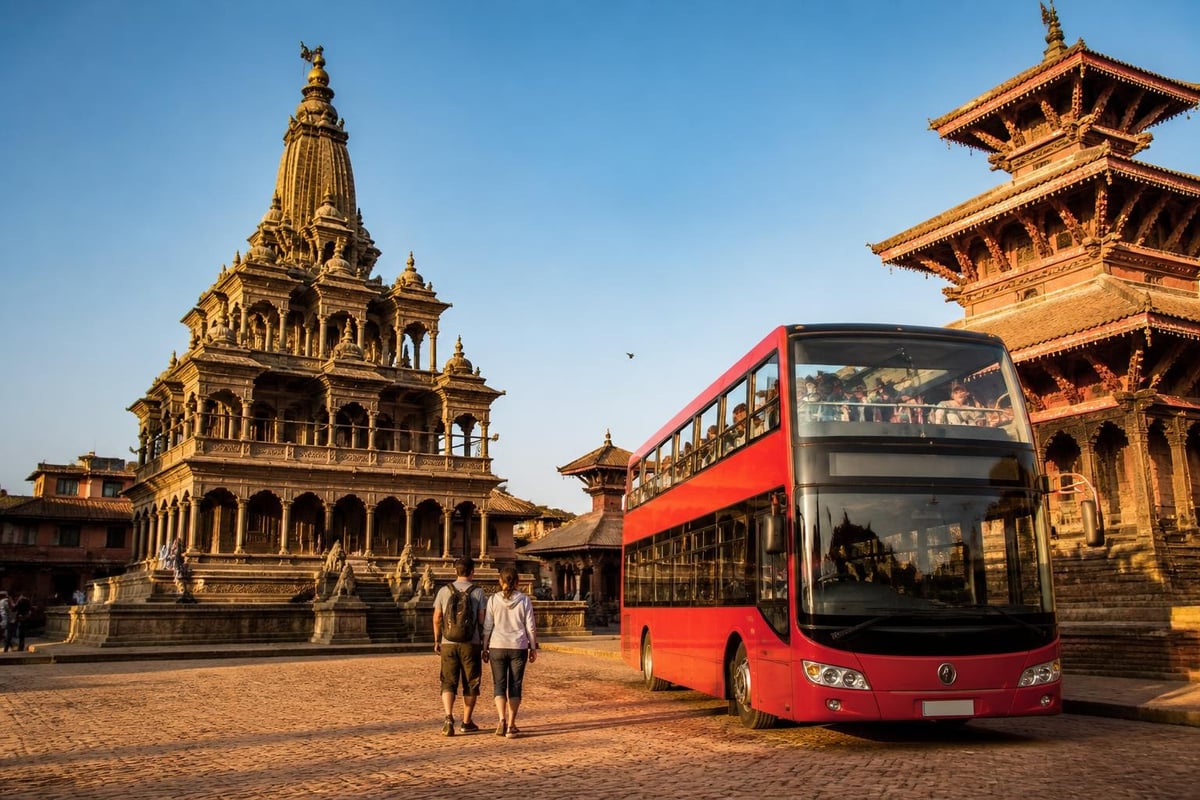
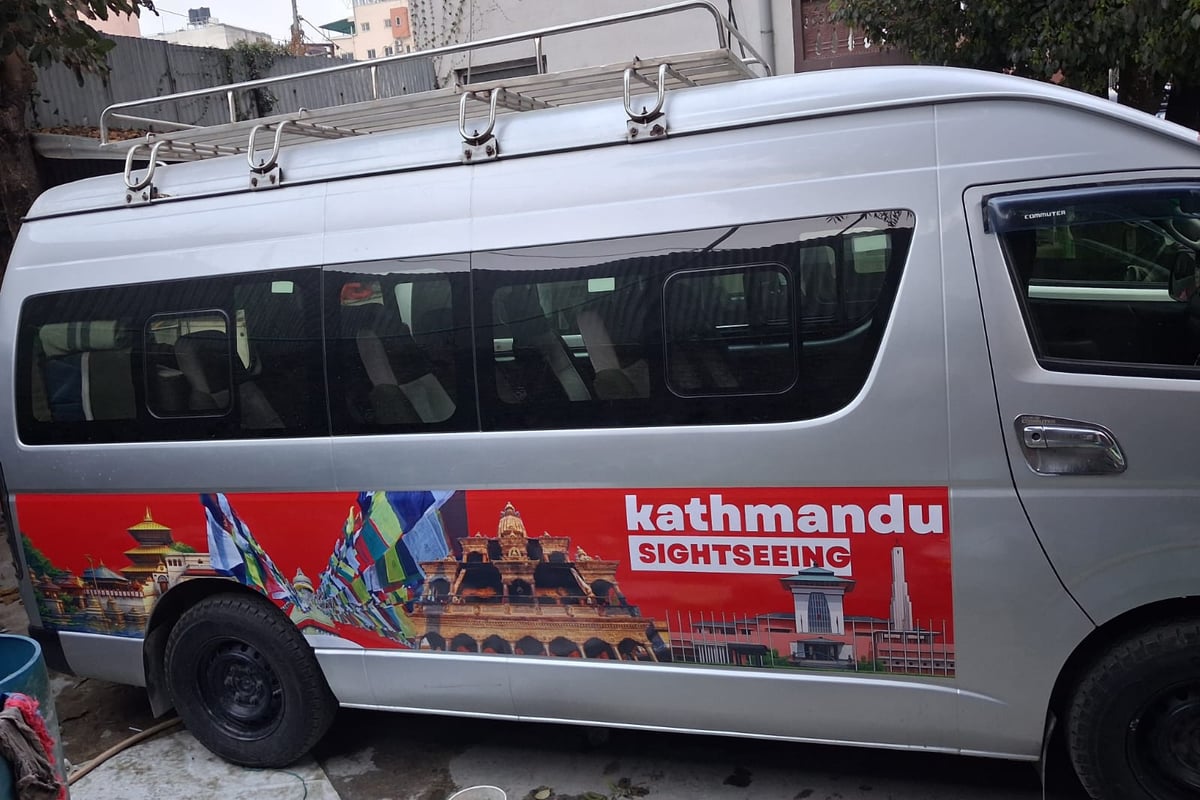
The Kathmandu Sightseeing hop on hop off bus tour connects travelers to 21 curated heritage stops across the valley, including ancient temple complexes, royal palaces, and sacred stupas. This comprehensive network transforms what could be logistically challenging independent visits into a seamless exploration of Nepal's living history.
Managing Museum and Indoor Attraction Time
Major museums and palaces often demand several hours for proper appreciation. Calculate whether individual stops justify the time investment or whether external architecture and grounds provide sufficient value for your interests.
Queue times significantly impact touring efficiency. Morning arrivals at popular museums typically encounter shorter waits. Alternatively, late afternoon visits sometimes offer emptier galleries as other tourists complete their days.
Addressing Common Challenges and Solutions
Even well-designed hop on and hop off services encounter operational realities that smart travelers anticipate and navigate.
Weather and Seasonal Considerations
Open-air or minimally enclosed buses expose passengers to elements. Summer heat, monsoon rains, and winter cold each demand preparation. Pack layers, sun protection, rain gear, and appropriate footwear regardless of morning conditions.
Seasonal variations affect both comfort and attraction access. Research your destination's climate patterns and plan accordingly. Some heritage sites close or limit access during extreme weather events.
Crowd Management at Popular Stops
High-season tourism creates congestion at major attractions. Peak visiting hours (typically 10:00 AM - 2:00 PM) see maximum crowds at UNESCO sites and famous landmarks. Strategic timing helps avoid overwhelming masses.
Crowd avoidance tactics:
- Visit top attractions immediately at opening
- Schedule popular sites on weekdays when possible
- Use hop on and hop off for afternoon touring after morning direct visits
- Explore lesser-known stops during peak hours
- Monitor real-time crowd apps when available
Alternative stops often provide equally rewarding experiences without tourist saturation. Local neighborhoods, lesser-known temples, and authentic markets deliver cultural immersion that major landmarks sometimes lack.
Technology Integration and Modern Enhancements
Contemporary hop on and hop off services increasingly leverage digital tools to enhance user experience and operational efficiency.
Mobile Applications and Digital Tickets
Smartphone integration eliminates physical tickets, provides real-time tracking, and delivers enhanced information about approaching stops. GPS-triggered audio commentary activates automatically as buses near significant landmarks, supplementing the general circuit narration.
Digital platforms also facilitate customer support, enable instant pass extensions, and provide updated route information when temporary closures or events require detours. Booking a seat through online systems streamlines the entire process from purchase through boarding.
Social Features and User-Generated Content
Some services integrate social features allowing passengers to share photos, rate stops, and provide real-time tips to fellow travelers. This crowdsourced intelligence helps identify hidden gems, warn about closures, and share practical advice.
Review systems guide stop prioritization based on aggregate visitor experiences. While personal preferences vary, patterns in user feedback highlight universally appealing destinations and identify potentially disappointing stops where promotional materials oversell actual experiences.
Special Considerations for Different Traveler Types
The hop on and hop off model accommodates diverse needs, but optimization strategies vary by traveler profile.
Family Travel With Children
Families benefit from the flexibility to manage young children's unpredictable needs. Immediate access to restrooms at regular stops, ability to cut exploration short when fatigue strikes, and freedom to repeat favorite locations make this format particularly family-friendly.
Children often enjoy the bus ride itself as an attraction. Upper deck seating (where available) or window positions transform transportation into entertainment. Audio guides with children's programming maintain engagement during transit segments.
Solo Travelers and Photography Enthusiasts
Independent travelers appreciate the balance of organization and freedom. Solo exploration without group pressure enables deep personal engagement with locations of individual interest. Photographers particularly value the ability to wait for ideal lighting conditions without delaying others.
The circuit structure provides safety through predictability. Knowing exactly where and when buses operate reduces solo travel anxiety in unfamiliar cities while maintaining independence.
Mobility-Challenged and Accessibility Needs
Modern hop on and hop off services increasingly prioritize accessibility, though capabilities vary by provider. Research wheelchair access, low-floor boarding, and assistance availability before committing. Some heritage sites present inherent accessibility challenges due to historical construction.
Contact operators directly to discuss specific needs. Many providers accommodate special requirements with advance notice, including reserved seating, boarding assistance, and modified routing when necessary.
Economic Impact and Sustainable Tourism
The hop on and hop off model influences urban tourism economies and sustainability efforts in significant ways.
Supporting Local Heritage Preservation
Revenue from organized tourism directly funds heritage site maintenance and preservation efforts. Ticket purchases contribute to conserving the very attractions that draw visitors, creating sustainable cycles where tourism enables cultural protection.
Beyond direct contributions, increased visitation raises political will for preservation investment. Heritage sites demonstrating strong tourist interest receive prioritized funding for restoration, security, and interpretation programs.
Environmental Considerations
Consolidated transportation reduces individual vehicle usage, potentially decreasing overall tourism-related emissions. One bus serving fifty passengers produces far less environmental impact than fifty taxis or rental cars navigating identical routes.
However, continuous operation regardless of passenger load raises efficiency questions. Progressive operators optimize frequency based on demand patterns, reducing empty bus circulation while maintaining service reliability.
Looking Forward: Evolution and Innovation
The hop on and hop off concept continues evolving through technological advancement, changing consumer preferences, and competitive differentiation.
Electric and Sustainable Fleet Development
Environmental concerns drive fleet electrification and alternative fuel adoption. Modern services increasingly deploy electric buses that reduce emissions and noise pollution while maintaining operational capabilities. This transition particularly benefits heritage districts where air quality and historical ambiance matter significantly.
Enhanced Storytelling and Immersive Experiences
Standard audio commentary evolves toward sophisticated storytelling incorporating music, sound effects, and narrative arcs. Augmented reality features overlay historical images onto contemporary views, enabling passengers to visualize how sites appeared centuries ago.
Some services experiment with themed routes focusing on specific interests such as culinary heritage, architectural evolution, or religious traditions. These specialized circuits deliver deeper engagement for niche audiences while maintaining the fundamental hop on and hop off flexibility.
Integration With Broader Tourism Ecosystems
Forward-thinking operators partner with attraction venues, restaurants, and activity providers to create comprehensive tourism passes. These bundled offerings might include museum admissions, meal vouchers, or cultural performance tickets alongside transportation access.
Exploring frequently asked questions about integrated services helps travelers understand the full scope of available options and make informed purchasing decisions.
The hop on and hop off touring model revolutionizes urban exploration by combining comprehensive coverage with personal freedom, making it an ideal solution for travelers seeking both efficiency and autonomy. Whether you're discovering ancient heritage sites, capturing photographic memories, or immersing yourself in local culture, this flexible format adapts to your unique interests and pace. Kathmandu Sightseeing brings this proven concept to Nepal's captivating capital, connecting you with UNESCO World Heritage Sites and hidden cultural treasures through a seamless, passenger-focused experience that transforms how you explore this historic valley.