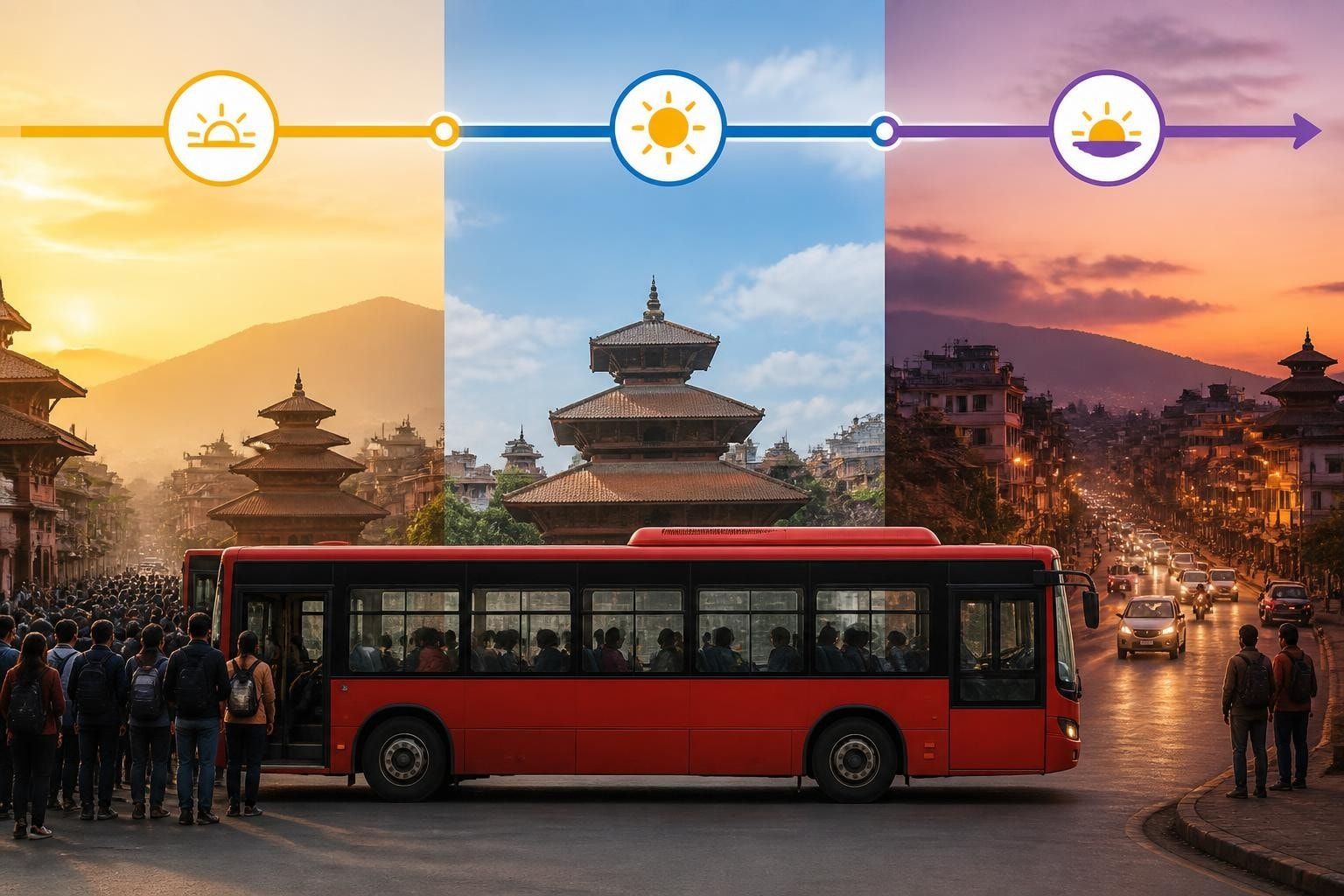
Understanding city bus hours is fundamental to creating an efficient public transportation system that serves both residents and visitors effectively. The span of service directly influences ridership patterns, operational costs, and overall accessibility of a city's attractions and essential services. For tourism operators and transit planners alike, aligning bus schedules with passenger demand requires careful analysis of demographic patterns, peak travel times, and community needs. Whether you're managing a sightseeing tour operation or evaluating local transit options, comprehending how service hours are structured provides critical insights into urban mobility dynamics.
The Framework of Transit Service Hours
City bus hours encompass more than simple start and stop times. They represent a complex framework of service delivery that balances operational capacity with passenger expectations. Transit agencies typically categorize service hours into distinct segments: early morning, peak morning, midday, peak afternoon, evening, and late night. Each period presents unique challenges and opportunities for maximizing efficiency.
The concept of span of service defines the total number of hours buses operate each day on a given route. Research from San José State University demonstrates that changes to service span significantly impact ridership even during hours that remain unaltered. This finding underscores the interconnected nature of transit scheduling decisions.
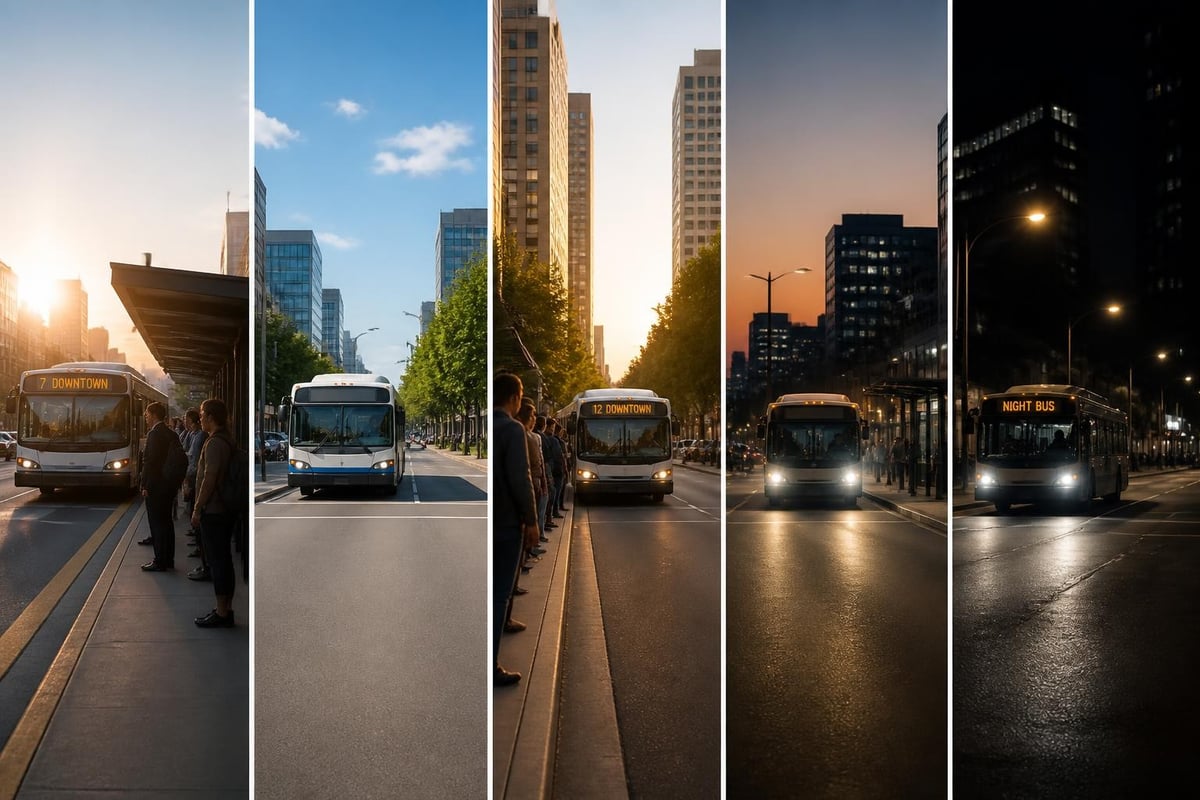
Determining Optimal Service Windows
Transit planners use multiple data sources to establish appropriate city bus hours:
- Ridership data from automated passenger counters and fare collection systems
- Community surveys revealing travel preferences and unmet needs
- Employment patterns indicating shift changes and business operating hours
- Special event calendars for cultural attractions and venues
- Competitive analysis of similar routes and alternative transportation options
| Time Period | Typical Frequency | Primary Ridership | Service Priority |
|---|---|---|---|
| Early Morning (5-7 AM) | 30-60 minutes | Shift workers, early commuters | Medium |
| Peak Morning (7-9 AM) | 10-15 minutes | Commuters, students | High |
| Midday (9 AM-3 PM) | 20-30 minutes | Shoppers, tourists, medical appointments | Medium |
| Peak Afternoon (3-6 PM) | 10-15 minutes | Commuters, students | High |
| Evening (6-10 PM) | 30-45 minutes | Entertainment, dining, late shifts | Variable |
| Late Night (10 PM-5 AM) | 60+ minutes | Service workers, special events | Low |
Tourism-focused routes require different considerations than commuter-oriented services. For example, exploring heritage sites by bus demands extended daytime hours when attractions are open rather than early morning or late evening coverage.
Balancing Demand and Resources
Operating buses requires substantial financial investment in vehicles, fuel, driver wages, and maintenance. Every additional hour of service adds measurable costs, making it essential to align city bus hours with genuine passenger demand. Transit agencies employ sophisticated modeling to predict ridership across different time periods and adjust schedules accordingly.
Headway management plays a crucial role in service quality. Headway refers to the time interval between consecutive buses on the same route. During peak periods, shorter headways reduce wait times and prevent overcrowding. Outside peak hours, longer headways remain acceptable when passenger volumes decline.
The Regional Transit Design and Performance Guidelines provide frameworks for establishing minimum service standards based on route type and geographic context. These guidelines help ensure consistency across regional networks while allowing flexibility for local conditions.
Seasonal Variations in Service Hours
Many cities adjust their bus schedules seasonally to reflect changing demand patterns. Summer months often see increased tourist activity, while winter holidays may require modified schedules around specific dates. Tourism-dependent routes experience pronounced seasonal fluctuations.
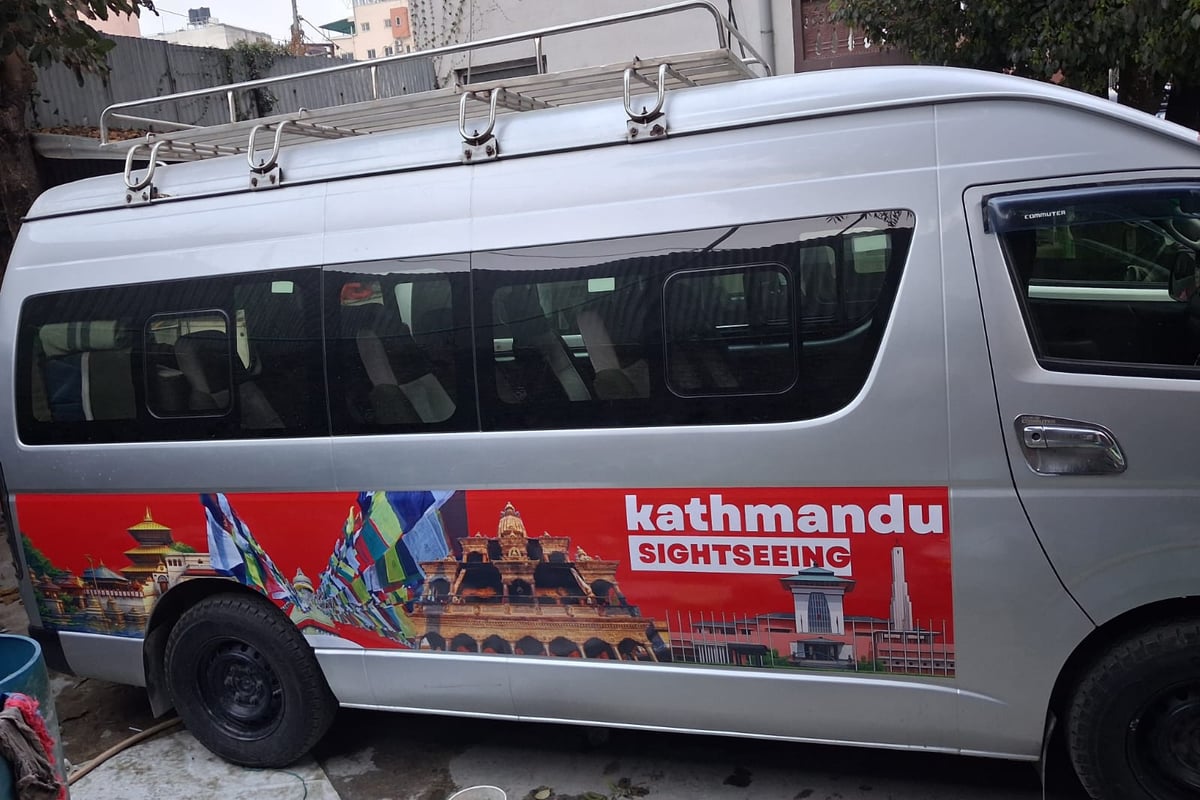
Kathmandu's sightseeing routes exemplify this dynamic. The heritage bus tour experience operates during optimal daylight hours when UNESCO World Heritage Sites are accessible and visibility is excellent. This approach maximizes passenger satisfaction while managing operational efficiency.
Technology and Schedule Optimization
Modern transit operations leverage technology to refine city bus hours continuously. Real-time passenger counting systems, GPS tracking, and automated vehicle location (AVL) systems generate data streams that reveal actual usage patterns versus projected demand. This information enables evidence-based scheduling decisions.
Digital Tools Transforming Schedule Management
Transit agencies now deploy sophisticated software platforms that integrate multiple data sources:
- Automated Passenger Counters (APC) track boardings and alightings at each stop throughout the day
- Fare transaction analysis reveals travel patterns and popular origin-destination pairs
- Mobile app usage data shows when passengers check schedules and plan trips
- Historical performance metrics identify chronic delays or capacity constraints
- Weather integration helps predict service disruptions and passenger behavior changes
Performance monitoring has become increasingly sophisticated. King County Metro's public performance reports illustrate how agencies track on-time performance, service hours delivered, and passenger productivity metrics. This transparency builds public trust and supports data-driven decision-making.

Extended Hours and Late-Night Service
The decision to operate late-night bus service involves careful cost-benefit analysis. While extending city bus hours improves accessibility for shift workers and reduces impaired driving, lower ridership during these periods increases per-passenger costs substantially.
TCRP Synthesis 181 on nighttime transit ridership examines how transit agencies nationwide approach late-night service planning. The research identifies several key factors in successful nighttime operations:
- Integration with entertainment districts and nightlife hubs
- Coordination with hospital and healthcare facility shifts
- Safety considerations including lighting, driver training, and passenger security
- Marketing strategies to build awareness of late-night options
- Partnership opportunities with employers and event venues
Phoenix's recent consideration of restoring late-night bus service demonstrates how community input shapes these decisions. Public engagement revealed significant demand from service industry workers and students, leading to pilot programs testing extended hours on select routes.
Impact on Tourism and Visitor Experience
For visitors exploring a new city, understanding local bus hours can make or break their experience. Tourists rely on predictable, convenient schedules to maximize their sightseeing time and coordinate visits to multiple attractions. Unclear or restrictive service hours frustrate travelers and may drive them toward private transportation options.
Visitor-oriented transit services typically prioritize:
- Extended daytime hours covering major attraction operating times
- Clear, multilingual schedule information
- Simplified fare structures for day passes or multi-ride tickets
- Routes connecting hotels, landmarks, and transportation hubs
- Consistent weekend service matching tourist travel patterns
The hop-on hop-off bus model addresses many visitor needs by offering flexible exploration within defined operating hours. Passengers appreciate knowing they can board any bus in the fleet throughout the service day without strict schedule adherence.
| Service Model | Typical Hours | Frequency | Best For |
|---|---|---|---|
| Commuter Routes | 5 AM - 10 PM | High during peaks | Daily residents |
| Tourist Circuits | 8 AM - 6 PM | Consistent all day | Sightseers |
| Express Lines | Peak hours only | Very high | Long-distance commuters |
| Night Service | 10 PM - 5 AM | Low | Shift workers, events |
Communicating Schedule Information Effectively
Even perfectly optimized city bus hours provide little value if passengers cannot easily access accurate schedule information. Effective communication requires multiple channels and formats to reach diverse audiences with varying technological access and language capabilities.
Multi-Channel Schedule Distribution
Modern transit operations distribute schedule information through:
- Printed timetables at stops, transit centers, and visitor information offices
- Mobile applications with real-time arrival predictions and service alerts
- Website schedule tools allowing route and stop-specific searches
- SMS/text messaging services for schedule updates
- Digital displays at major stops showing next arrivals
- Third-party integration with Google Maps and navigation apps
Transportation Research Board studies confirm that service characteristics including span of hours significantly influence mode choice decisions. When potential riders lack confidence in schedule reliability or find information difficult to access, they default to private vehicles or ride-hailing services.
Clear communication becomes especially critical during service changes. When transit agencies modify city bus hours, advance notice through multiple channels helps passengers adjust their travel plans. The ride planning resources offered by tour operators exemplify passenger-friendly information design.
Service Hour Equity Considerations
Transit equity demands that service hours serve all community segments fairly. Low-income residents often rely exclusively on public transportation and may work non-traditional hours. If city bus hours align only with standard business hours, these essential workers face significant mobility barriers.
Equity analysis examines:
- Geographic distribution of early morning and late evening service
- Access to employment centers during all shift times
- Healthcare facility connectivity for medical appointments and caregiving
- Language accessibility of schedule information
- Fare structure impacts on frequent riders and low-income passengers
Transit agencies increasingly use Title VI analysis and other equity frameworks to evaluate whether service hour distributions create disparate impacts on protected populations. These assessments inform resource allocation and service planning decisions.
Weekend and Holiday Schedules
Many transit systems significantly reduce service on weekends and holidays, reflecting traditional commuter-focused planning. However, service industry employment, tourism activity, and recreational travel often peak on weekends, creating a mismatch between city bus hours and actual demand.
Progressive transit planning treats weekend service as a core offering rather than a reduced supplement. Maintaining consistent hours between weekdays and weekends improves system legibility and serves diverse travel needs more effectively.
Operational Challenges in Schedule Maintenance
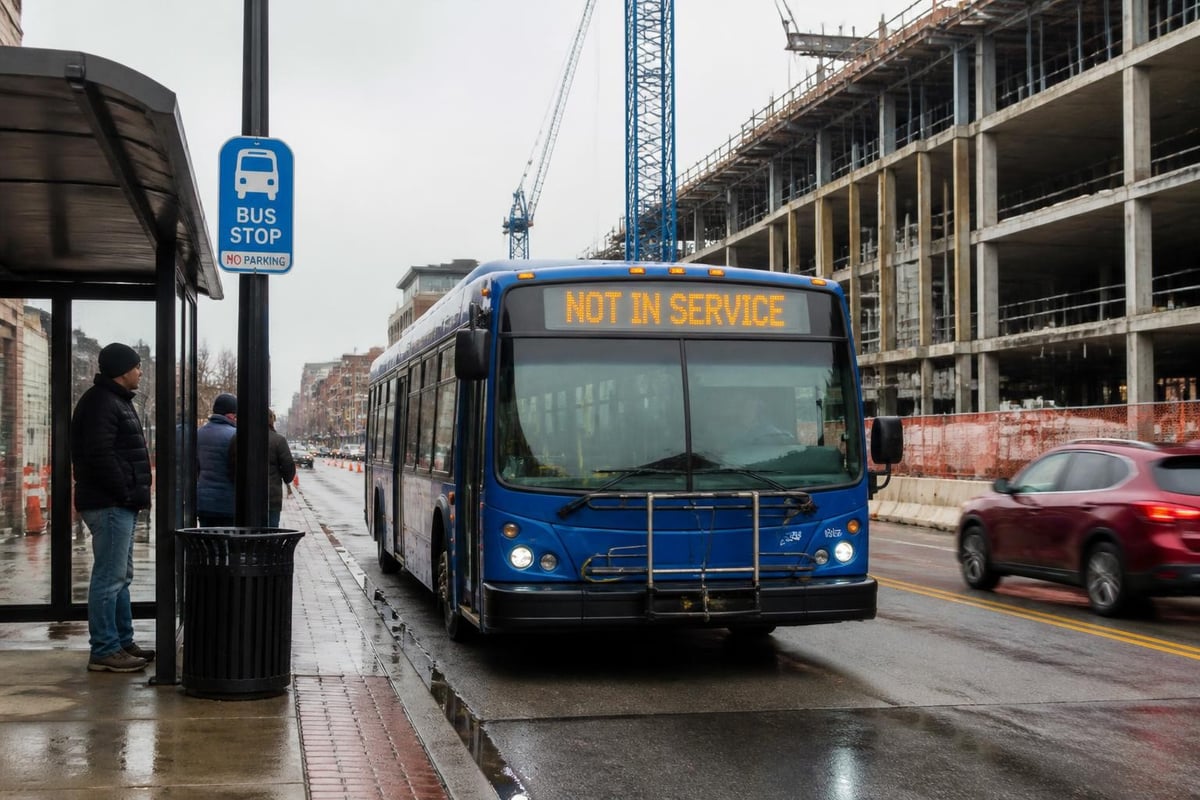
Maintaining published city bus hours requires constant attention to operational realities. Traffic congestion, construction detours, vehicle breakdowns, and driver shortages can all disrupt planned schedules. Transit agencies must balance reliability with flexibility.
Schedule adherence metrics measure how well actual operations match published timetables. Industry standards typically target 95% on-time performance, defined as arrivals within a specified window (often 1 minute early to 5 minutes late). Routes consistently missing this target require schedule adjustments or resource reallocation.
Driver scheduling presents unique complexities. Labor agreements often specify maximum shift lengths, required breaks, and overtime conditions. These constraints directly influence which city bus hours are operationally feasible. Efficient crew scheduling software helps optimize driver assignments while respecting contractual requirements.
Future Trends in Transit Scheduling
Emerging technologies and changing urban patterns will reshape how transit agencies approach city bus hours in coming years. Several trends merit attention:
On-demand microtransit blurs traditional fixed-route scheduling. Instead of predetermined city bus hours on set routes, algorithms dynamically route small vehicles based on real-time passenger requests. This model works best in lower-density areas where fixed-route service proves inefficient.
Autonomous vehicle deployment could reduce labor costs and enable extended service hours without proportional budget increases. However, technological, regulatory, and safety challenges will likely delay widespread implementation beyond the near term.
Mobility-as-a-Service (MaaS) integration bundles multiple transportation options into unified platforms. Passengers might seamlessly combine bus travel, bike-share, and ride-hailing within a single trip. This integration requires careful coordination of service hours across modes.
Climate considerations increasingly influence transit planning. Expanding city bus hours and improving service quality supports mode shift from private vehicles, reducing transportation emissions. Many cities explicitly link transit investment to climate action goals.
Practical Applications for Tour Operators
Sightseeing tour operators must carefully align their schedules with both transit patterns and attraction operating hours. Understanding broader city bus hours helps identify service gaps or opportunities for complementary offerings.
When planning bus tour experiences, consider these factors:
- Peak tourist activity periods when attractions are less crowded
- Coordination with local transit for passenger connections
- Daylight hours for optimal photography and visibility
- Meal times allowing convenient dining breaks
- Cultural event schedules that might attract or compete for visitors
Successful tour operators communicate their operating hours clearly across all booking channels. The Kathmandu Sightseeing FAQ section demonstrates best practices in providing accessible schedule information to potential passengers.
Building flexibility into tour schedules accommodates unexpected delays while maintaining promised service delivery. Buffer time between scheduled stops prevents cascading delays that frustrate passengers and disrupt the overall experience.
Measuring Success Beyond Operating Hours
While city bus hours define the temporal framework for service delivery, success requires looking beyond simple time spans. Comprehensive performance evaluation considers multiple dimensions:
| Metric Category | Key Indicators | Relationship to Hours |
|---|---|---|
| Accessibility | Population within walking distance during service hours | Direct |
| Reliability | On-time performance throughout operating day | Direct |
| Productivity | Passengers per service hour | Direct |
| Cost Efficiency | Operating cost per passenger | Indirect |
| Customer Satisfaction | Net Promoter Score, complaint rates | Indirect |
| Environmental Impact | Vehicle miles traveled, emissions per passenger | Indirect |
Transit agencies publish annual performance reports detailing these metrics and trends over time. Transparent reporting builds public confidence and supports informed policy discussions about service investments.
For tourism-focused services like those offered through Kathmandu Sightseeing's platform, customer satisfaction metrics take precedence. Visitor reviews, repeat bookings, and referral rates indicate whether operating hours align with passenger needs and expectations.
Effective management of city bus hours requires balancing operational efficiency, passenger needs, equity considerations, and financial sustainability. Whether you're planning daily transit operations or designing a specialized sightseeing experience, understanding the principles behind schedule development enables better decision-making and improved service delivery. Kathmandu Sightseeing applies these insights to create memorable heritage tours that showcase the valley's treasures during optimal hours, ensuring every passenger enjoys a seamless journey through centuries of history and culture.