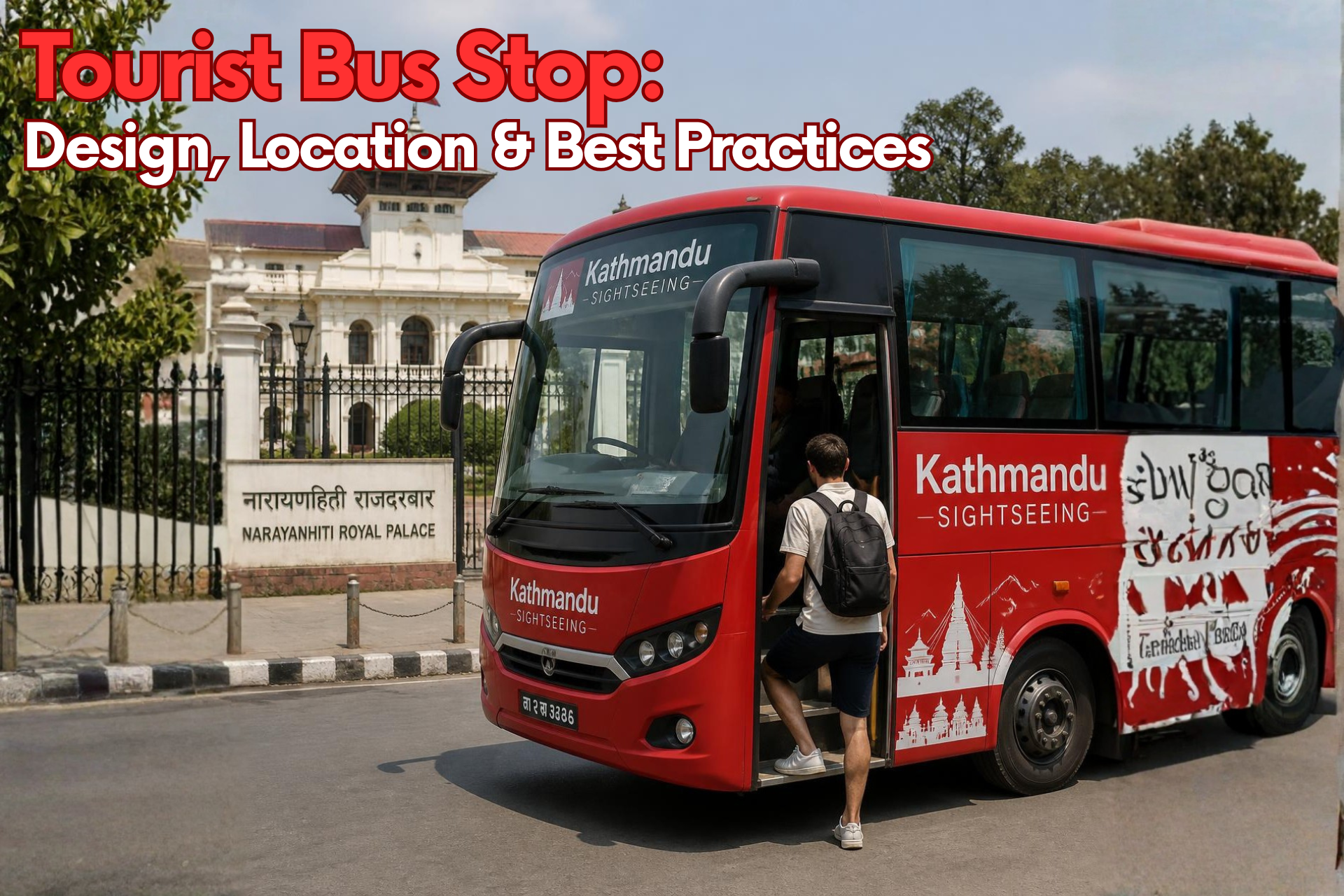
When travelers explore a new destination, the quality of their experience often begins and ends at a tourist bus stop. These critical touchpoints serve as gateways to cultural landmarks, historical treasures, and local experiences that define a city's character. For sightseeing operators, understanding the strategic importance of well-designed stops transforms casual visitors into delighted ambassadors who share their experiences with others. A properly planned tourist bus stop goes far beyond a simple place to board and disembark; it represents the first physical interaction between your service and the passenger, setting expectations for the entire journey ahead. In cities rich with heritage like Kathmandu, where ancient temples stand alongside bustling markets, the placement and design of these stops can mean the difference between seamless exploration and frustrating confusion.
Strategic Location Selection for Maximum Impact
Choosing where to establish a tourist bus stop requires balancing multiple factors that directly affect passenger satisfaction and operational efficiency. The most successful stops position themselves within comfortable walking distance of major attractions while maintaining accessibility for buses navigating urban streets.
Primary considerations include:
- Proximity to UNESCO World Heritage Sites and significant landmarks
- Pedestrian safety and ease of crossing streets
- Visibility from multiple approach angles
- Integration with existing transportation networks
- Local traffic patterns and congestion zones
Distance matters significantly when planning stop locations. Research from the SEPTA Bus Stop Design Guidelines suggests that passengers willingly walk 400 to 800 feet to reach destinations from well-positioned stops. However, tourist-focused routes should consider shorter spacing, particularly in heritage districts where visitors may carry cameras, bags, and prefer frequent access points.
Accessibility and Universal Design Principles
Every tourist bus stop must accommodate diverse visitors, including seniors, families with young children, and individuals with mobility challenges. The ACCES4ALL evaluation of universal accessibility demonstrates that senior tourists particularly value stops with clear signage, level boarding areas, and protection from weather elements.
| Accessibility Feature | Benefit to Tourists | Implementation Priority |
|---|---|---|
| Level boarding platforms | Reduces trip hazards, accommodates wheelchairs | High |
| Tactile paving | Assists visually impaired passengers | High |
| Clear sight lines | Improves safety and wayfinding | Medium |
| Adequate seating | Supports extended waiting, elderly comfort | High |
| Weather protection | Enhances comfort in all conditions | Medium |
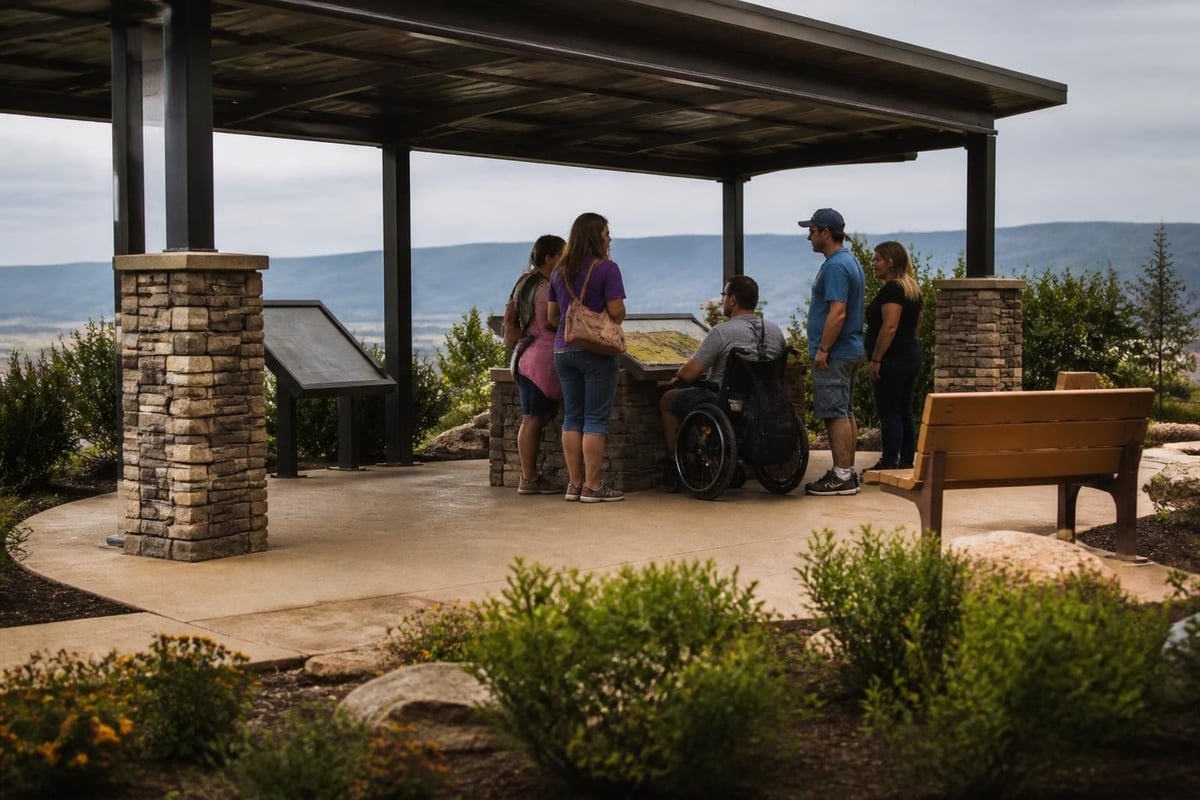
The World Bank's gender-responsive design guidelines emphasize that proper lighting, visibility, and spacing between stops create safer environments, particularly important for international visitors unfamiliar with local geography. Women travelers, families, and solo tourists report higher confidence levels when stops feel open, well-lit, and professionally maintained.
Essential Amenities That Enhance Visitor Experience
A functional tourist bus stop delivers more than just a place to wait. Modern travelers expect informational resources, comfort features, and digital connectivity that support their exploration journey.
The Northern Virginia Bus Stop Amenity evaluation identified several amenities that significantly increase passenger satisfaction at tourist-oriented stops. Their findings reveal that information quality ranks as the top priority, followed closely by weather protection and seating.
Information Display and Wayfinding
Tourists navigate unfamiliar environments with limited local knowledge, making clear information displays absolutely critical. Your tourist bus stop should communicate route information, upcoming arrival times, nearby attractions, and emergency contacts through multiple formats.
Effective information systems include:
- Digital displays showing real-time bus locations and wait times
- Physical route maps highlighting heritage sites and landmarks
- Multilingual signage accommodating international visitors
- QR codes linking to mobile apps and detailed attraction information
- Emergency contact numbers and local services
Many successful sightseeing bus operations integrate their tourist bus stop signage with broader wayfinding systems, helping passengers understand not just where the bus goes, but what makes each destination significant. This educational component transforms a simple transit stop into an interpretive experience.
Comfort and Protection Elements
Climate protection significantly impacts how passengers perceive wait times. A five-minute wait feels exponentially longer when standing in direct sun, rain, or wind without shelter. Investment in proper canopies, seating, and thermal comfort features demonstrates respect for passenger experience.
According to Better Transport's bus stop standards research, basic amenities should be considered universal requirements rather than premium features. Their proposed national standard calls for shelters at all stops with moderate to high passenger volumes, particularly those serving tourists who may wait with luggage or during less predictable schedules.
Design Considerations for Heritage and Cultural Contexts
Operating in historically significant areas like Kathmandu presents unique design challenges. Your tourist bus stop must balance modern functionality with respect for architectural heritage and cultural aesthetics. A contemporary glass shelter might work perfectly in a modern business district but feel jarring beside a centuries-old temple complex.
Architectural Integration
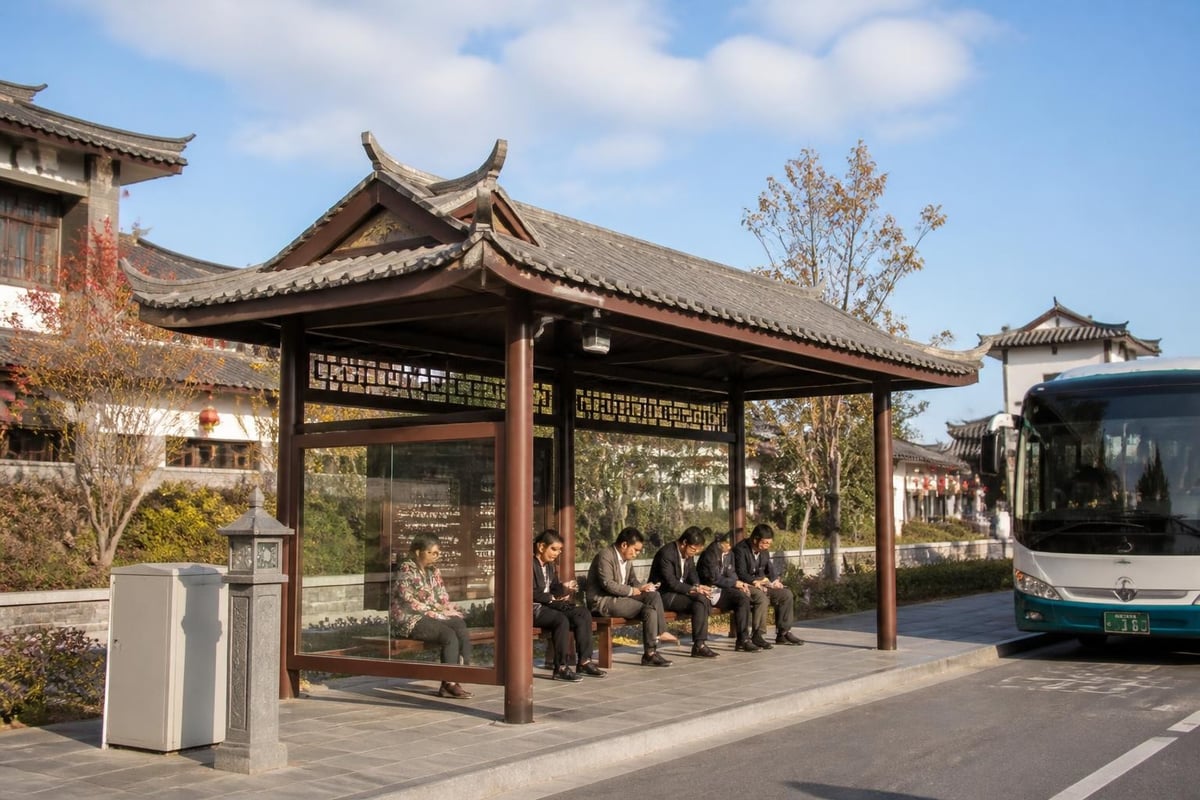
Successful heritage district stops incorporate local design elements, materials, and color palettes that complement rather than compete with their surroundings. This approach maintains visual harmony while still providing necessary modern amenities.
| Design Element | Traditional Approach | Modern Integration |
|---|---|---|
| Shelter structure | Replica historical architecture | Contemporary design with traditional materials |
| Color scheme | Exact period matching | Complementary earth tones |
| Signage style | Hand-painted traditional fonts | Digital displays with heritage-inspired frames |
| Seating | Wooden benches matching period | Ergonomic seating in local wood species |
When exploring heritage sites by bus, passengers appreciate stops that acknowledge the cultural context of their location. Interpretive panels explaining the significance of nearby landmarks enhance the educational value while passengers wait.
Environmental Sustainability
Modern tourist bus stop design increasingly incorporates sustainable features that reduce environmental impact while improving functionality. Solar panels powering digital displays, rainwater collection systems, and native plant landscaping demonstrate environmental stewardship that resonates with eco-conscious travelers.
The New Zealand Transport Agency's bus stop guidance recommends considering stormwater management, urban heat island reduction, and biodiversity support when planning stop infrastructure. These elements prove particularly relevant in growing cities where tourism development must balance with environmental responsibility.
Operational Efficiency and Route Integration
Beyond passenger-facing features, your tourist bus stop must support smooth operational flow. Stop design directly impacts dwell time, schedule adherence, and overall route efficiency.
Platform Configuration and Bus Maneuverability
Different stop configurations serve different operational needs. Linear stops work well along busy streets, while sawtooth or bus bay designs better accommodate longer dwell times needed for tourist boarding and alighting.
Configuration options include:
- Curbside stops - Simple, low-cost, but may impact traffic flow
- Bus bays - Vehicles exit traffic stream, reducing congestion
- Raised platforms - Level boarding improves accessibility and speed
- Pull-through layouts - Buses don't need to reverse, improving safety
The World Bank's urban transport project guidelines emphasize that stop design must account for the specific vehicle types serving the route. Single-story buses require different clearances and turning radii than double-decker vehicles, affecting everything from canopy height to curb radius.
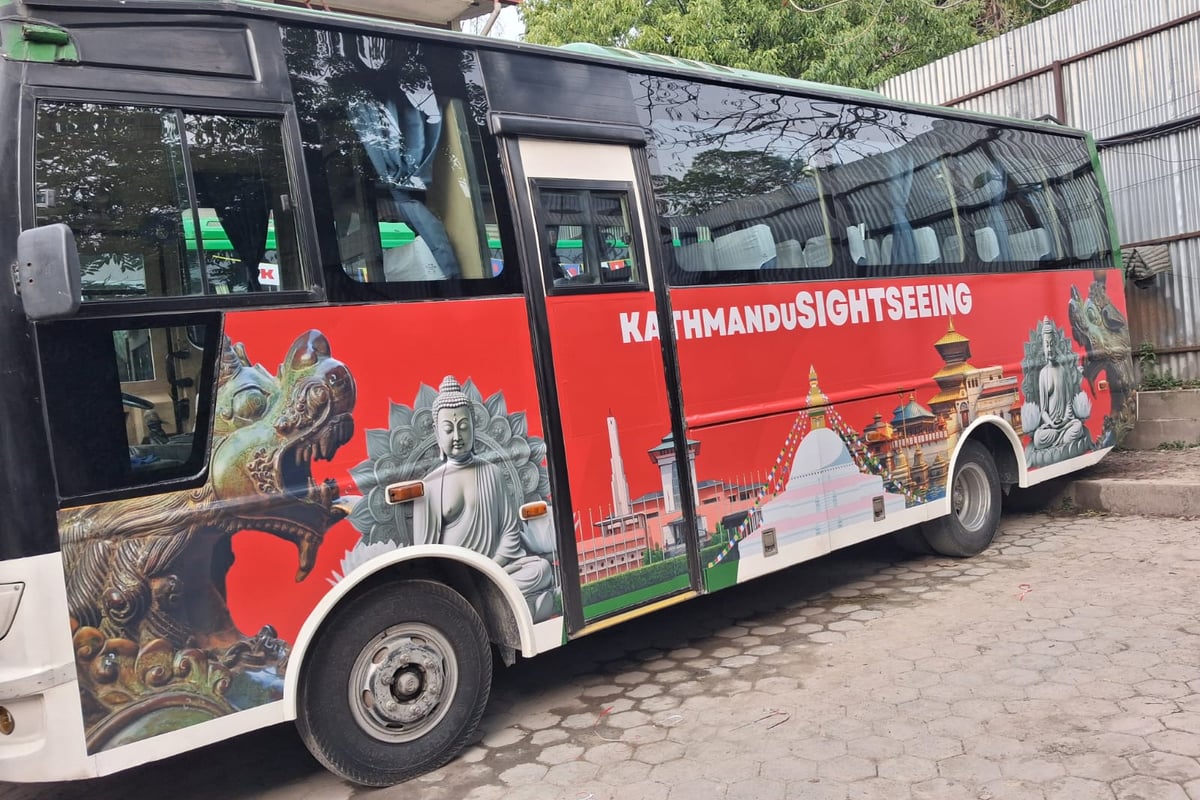
For operations like Kathmandu Sightseeing's Hop-On, Hop-Off Tour Bus service, specialized single-story buses navigate narrow historic streets, requiring carefully planned tourist bus stop locations that accommodate these modern vehicles while respecting the constraints of ancient urban layouts.
Capacity Planning and Peak Management
Tourist demand fluctuates dramatically based on season, weather, and events. Your tourist bus stop design should accommodate peak loads without feeling empty during quieter periods. This balance requires understanding typical passenger volumes and building in appropriate queuing space.
Effective capacity planning considers:
- Queue space for 20-30 passengers during peak times
- Circulation paths that don't block pedestrian thoroughfares
- Multiple boarding doors to speed passenger flow
- Clear demarcation of waiting areas versus through-traffic zones
Technology Integration for Enhanced Service
Modern tourist bus stop infrastructure increasingly incorporates digital technologies that improve information delivery, passenger comfort, and operational monitoring.
Real-Time Information Systems
Dynamic passenger information displays transform the waiting experience by reducing perceived wait time and improving schedule confidence. Systems that show next bus arrival, current vehicle location, and service alerts help tourists plan their exploration more effectively.
Integration with mobile applications creates a seamless information ecosystem where passengers can check upcoming arrivals before reaching the tour bus stop, then verify information upon arrival through physical displays. This redundancy accommodates different passenger preferences and technology comfort levels.
| Technology Feature | Passenger Benefit | Operational Benefit |
|---|---|---|
| GPS tracking | Real-time arrival information | Fleet monitoring and optimization |
| Digital displays | Reduced uncertainty | Dynamic messaging for delays or changes |
| Wi-Fi access | Internet connectivity while waiting | Usage data and analytics |
| Mobile ticketing integration | Contactless boarding | Reduced cash handling and faster loading |
Safety and Security Systems
Security cameras, emergency call buttons, and adequate lighting create safer environments that tourists trust. These features become particularly important at stops near less-populated heritage sites or during early morning and evening service hours.
The visibility enabled by proper lighting extends beyond security to operational safety, helping drivers accurately spot waiting passengers and position vehicles correctly for boarding. Motion-activated lighting systems balance energy efficiency with passenger comfort and safety needs.
Maintenance and Long-Term Operations
Even perfectly designed tourist bus stop infrastructure fails if not properly maintained. Establishing clear maintenance protocols ensures stops continue delivering positive experiences years after installation.
Regular Inspection Protocols
Weekly maintenance tasks:
- Clean shelters, benches, and information displays
- Remove litter and debris
- Check lighting functionality
- Verify digital display accuracy
- Inspect pavement condition
Monthly assessments:
- Test emergency call systems
- Clean solar panels if present
- Trim vegetation blocking sightlines
- Inspect structural components
- Update printed information materials
Community Integration and Local Support
Successful tourist bus stop operations engage with local communities, businesses, and property owners. These stakeholders can provide valuable feedback on stop performance, report maintenance issues, and support ongoing improvements.
When planning city exploration routes, collaboration with heritage site managers ensures stop locations complement site operations rather than creating conflicts. Temple administrators, museum directors, and local shop owners often appreciate the foot traffic generated by well-placed stops while having legitimate concerns about congestion or inappropriate behavior that tour operators must address.
Measuring Success and Continuous Improvement
Implementing robust metrics helps operators understand which tourist bus stop features deliver the greatest value and where improvements would generate the highest return on investment.
Key Performance Indicators
- Passenger satisfaction scores - Regular surveys at stops
- Dwell time averages - Measuring boarding/alighting efficiency
- Maintenance incident frequency - Tracking repair needs
- Usage patterns - Identifying peak times and underutilized stops
- Safety records - Monitoring incidents and near-misses
Passenger feedback provides qualitative insights that complement quantitative metrics. Simple feedback mechanisms like QR codes linking to brief surveys capture tourist perspectives while experiences remain fresh. Questions focusing on wayfinding clarity, comfort during wait times, and overall stop quality yield actionable improvement opportunities.
Adapting to Changing Needs
Tourism patterns evolve, new attractions emerge, and passenger expectations shift over time. Flexible tourist bus stop infrastructure accommodates these changes through modular design elements that allow updates without complete reconstruction.
Digital information systems prove particularly adaptable, enabling sightseeing services to update route information, add new languages, or incorporate visitor feedback without physical modifications. This flexibility proves essential in dynamic heritage environments where conservation priorities, development projects, and cultural programming constantly evolve.
Future Trends Shaping Tourist Bus Stop Development
Emerging technologies and changing traveler expectations continue reshaping what defines an excellent tourist bus stop. Forward-thinking operators monitor these trends to stay ahead of passenger needs and competitive offerings.
Augmented reality applications overlay historical images and information onto current views, transforming wait time into interpretive experiences. Passengers point smartphones at nearby buildings to see how sites appeared centuries ago, read historical narratives, or access audio guides that begin before they even board the bus.
Sustainability emphasis drives interest in green infrastructure elements like living walls, permeable paving, and passive cooling design that reduces energy consumption while improving aesthetic appeal. These features particularly resonate with environmentally conscious travelers who increasingly factor sustainability into destination and activity choices.
Smart city integration connects tourist bus stop systems with broader urban management platforms, enabling coordinated responses to events, emergencies, and changing conditions. This connectivity allows dynamic route adjustments, crowd management, and enhanced safety protocols that improve both tourist experiences and community relations.
Well-designed tourist bus stops create positive first impressions, facilitate seamless exploration, and demonstrate professional commitment to passenger experience. By thoughtfully addressing location, accessibility, amenities, cultural context, and operational efficiency, sightseeing operators transform simple transit infrastructure into valued components of the overall tourism experience. Kathmandu Sightseeing understands that every element of your journey matters, from the moment you first spot our distinctive bus at a carefully selected stop through your exploration of UNESCO World Heritage Sites and hidden cultural treasures. Discover how our thoughtfully designed route and stops create an unforgettable journey through Kathmandu's living history.