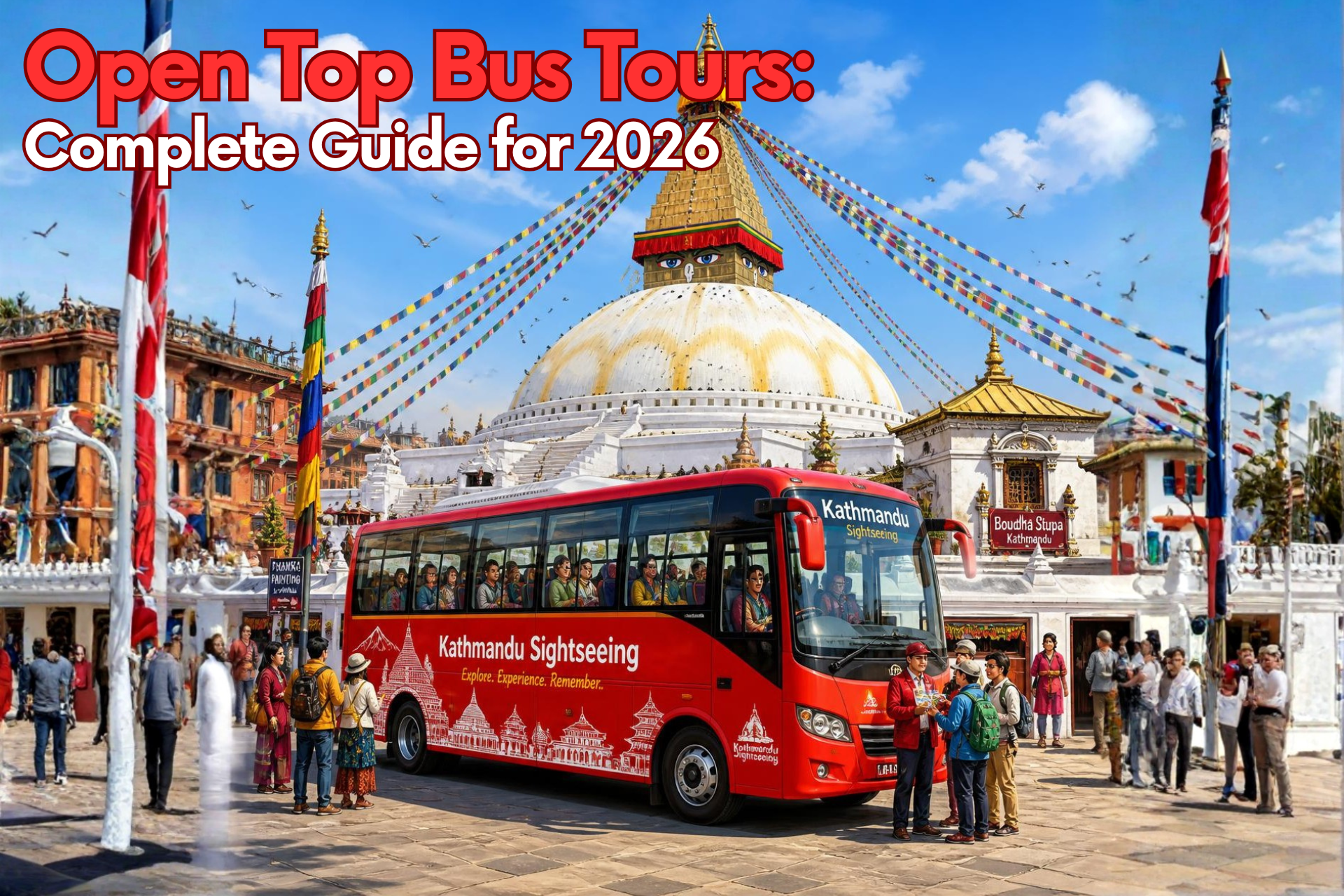
The open top bus has revolutionized urban tourism by offering passengers an unobstructed, immersive way to experience cityscapes, monuments, and cultural landmarks. Unlike conventional enclosed vehicles, these specially designed buses remove or retract the roof structure, creating a panoramic viewing platform that transforms ordinary transportation into memorable sightseeing adventures. From London's iconic red double-deckers to specialized heritage tours in ancient cities, the open top bus concept combines engineering innovation with experiential marketing to meet growing demand for authentic, engaging travel experiences. Understanding the design principles, safety regulations, operational considerations, and passenger expectations surrounding these vehicles helps tour operators deliver exceptional service while maintaining the highest standards of comfort and security.
Engineering and Design Considerations
The transformation of a standard bus into an open top bus requires careful attention to structural integrity and passenger safety. Manufacturers must balance the aesthetic appeal of an open-air experience with robust engineering that protects occupants during normal operation and potential emergencies.
Structural Modifications and Integrity
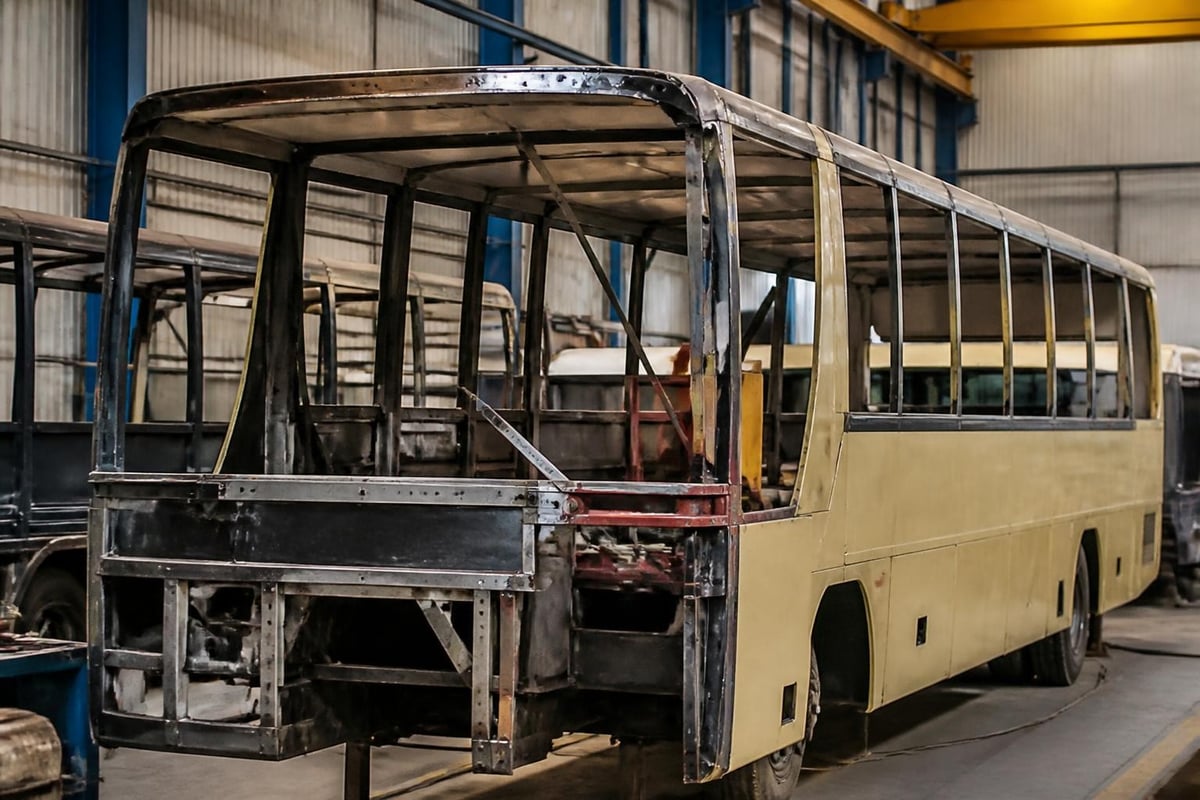
Converting or designing an open top bus involves significant modifications to the vehicle's original framework. The removal of roof components affects the overall structural rigidity, requiring reinforcement of the chassis and sidewalls to maintain stability during turns, acceleration, and braking. Federal Motor Vehicle Safety Standards mandate specific rollover protection requirements for large buses, ensuring that structural elements can withstand specified forces even without a permanent roof structure.
Engineers typically strengthen the A-pillars, B-pillars, and lower body frame to compensate for the reduced torsional rigidity that occurs when the roof is removed. This reinforcement maintains passenger safety while preserving the open-air experience that makes these vehicles attractive for tourism applications.
Climate and Weather Protection Options
Modern open top bus designs incorporate flexible weather protection systems that allow operators to adapt to changing conditions without compromising the viewing experience. Retractable canopies, removable roof panels, and convertible covers enable quick transitions between fully open and partially covered configurations.
- Retractable fabric canopies provide shade during intense sunlight while maintaining airflow
- Removable hardtop sections offer protection during light rain without full enclosure
- Roll-back roof mechanisms allow operators to adjust coverage levels based on real-time weather
- Individual seat canopies provide localized shade options for sun-sensitive passengers
The choice of weather protection system depends on the local climate, typical operating conditions, and the desired passenger experience. Exploring service quality factors reveals that comfort during varied weather conditions significantly influences passenger satisfaction ratings.
Safety Standards and Regulatory Compliance
Operating an open top bus requires strict adherence to safety regulations that address the unique risks associated with exposed passenger areas. Regulatory frameworks vary by jurisdiction but share common principles focused on preventing passenger ejection, ensuring emergency egress, and maintaining structural safety.
Glazing and Portal Requirements
Safety regulations specifically address the openings created when roof structures are removed. The Federal Register's anti-ejection glazing standards establish requirements for large buses including provisions for roof portals, ensuring that any remaining glazed areas meet impact and retention standards designed to prevent passenger ejection during accidents.
British regulations provide historical context for these standards. The Public Service Vehicles Regulations from 1958 defined "permanent top" requirements and established tilt test angles for double-decked vehicles, creating foundational safety benchmarks that continue to influence modern open top bus regulations worldwide.
Emergency Exit and Evacuation Planning
Emergency exits take on special importance in open top bus designs where roof hatches may not be available. Operators must ensure adequate alternative egress routes and clearly mark all exits according to state emergency exit regulations, which specify window dimensions, door requirements, and signage standards for passenger buses.
| Safety Feature | Standard Requirement | Open Top Adaptation |
|---|---|---|
| Emergency Exits | Multiple marked locations | Enhanced side exits, rear emergency door |
| Roof Hatches | Required on enclosed buses | Replaced by open-air accessibility |
| Window Egress | Minimum size specifications | Modified portal dimensions |
| Exit Signage | Illuminated markers | Weather-resistant markers at all exits |
| Evacuation Time | 60 seconds full load | Tested with upper deck scenarios |
Tour operators must conduct regular evacuation drills and train drivers on open-air emergency procedures to ensure passenger safety across all operating conditions.
Operational Strategies for Tour Services
Successfully operating an open top bus service requires thoughtful route planning, scheduling strategies, and passenger management that maximize the unique advantages of the vehicle format while addressing its operational constraints.
Route Selection and Urban Navigation
The ideal open top bus route balances scenic value with practical navigation considerations. Wide boulevards, heritage districts, and waterfront areas typically provide the most rewarding experiences for passengers, while narrow medieval streets or low-clearance bridges may create operational challenges.
When planning heritage tours through historic areas, operators must verify clearance heights at every point along the route, accounting for overhead wires, tree branches, tunnels, and architectural features. Regular route surveys identify potential obstacles and seasonal changes such as tree growth that might affect safe passage.
Successful routes typically feature:
- Clear sightlines to major landmarks and monuments
- Minimal overhead obstructions throughout the journey
- Wide turning radii suitable for large vehicle dimensions
- Strategic stops near UNESCO World Heritage Sites and cultural attractions
- Smooth road surfaces to ensure passenger comfort on upper decks
Seasonal and Weather-Based Operations
Weather conditions significantly impact open top bus operations and passenger comfort. Operators in regions with variable climates must develop flexible scheduling strategies that account for rain, extreme heat, wind, and seasonal patterns.
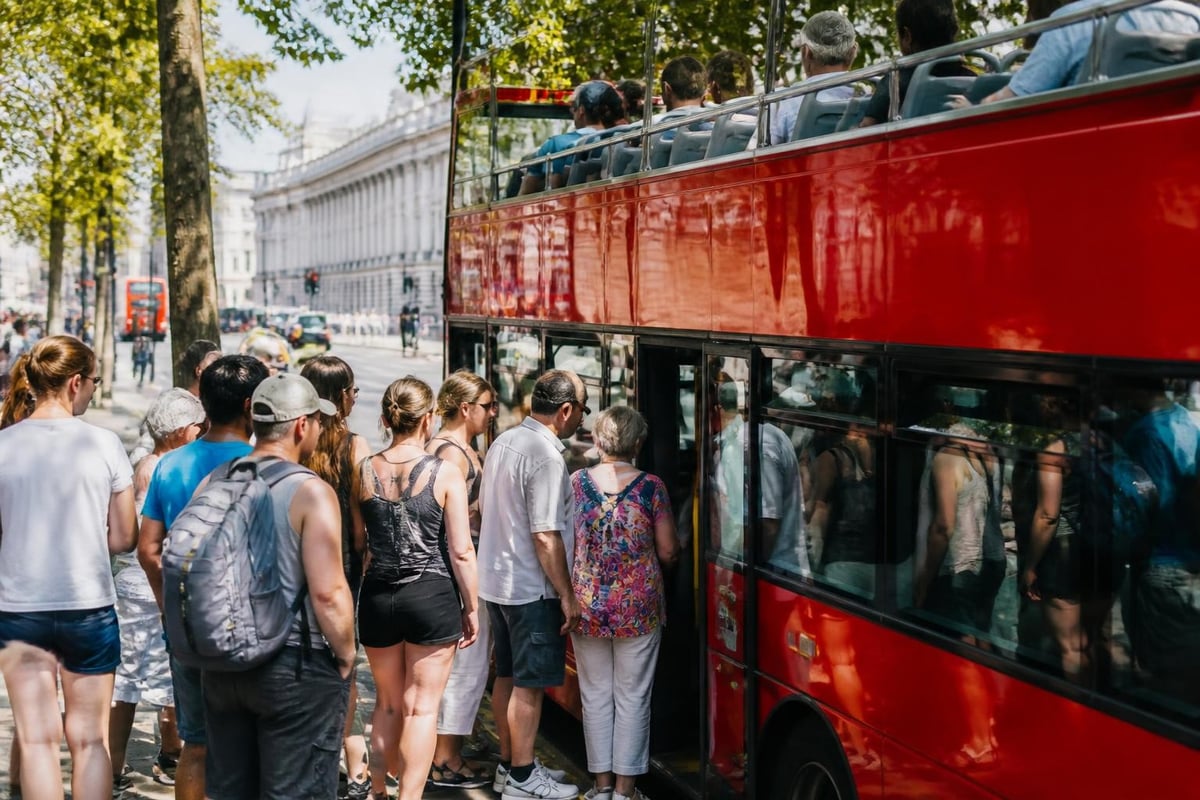
Many successful operators implement dynamic scheduling that increases frequency during favorable weather while offering modified services or covered alternatives during challenging conditions. This flexibility maintains revenue streams while protecting passenger satisfaction and safety.
For destinations like Kathmandu where cultural heritage sites attract year-round visitors, operators balance monsoon season challenges with the steady demand from international tourists seeking authentic experiences. Strategic route adjustments and weather monitoring systems help maintain consistent service delivery.
Passenger Experience and Service Quality
The open top bus format fundamentally transforms the passenger experience from simple transportation into an engaging sightseeing activity. Understanding and optimizing the factors that contribute to passenger satisfaction drives repeat business and positive reviews.
Audio Commentary and Information Delivery
Effective audio systems must overcome the unique acoustic challenges of an open-air environment where wind noise, traffic sounds, and ambient city noise compete with narration. Modern systems employ directional speakers, individual headphone options, and multiple language channels to ensure clear communication.
High-quality commentary should provide:
- Historical context about landmarks and cultural sites
- Local stories that bring heritage locations to life
- Practical information about stops, timing, and facilities
- Engaging narratives that maintain interest throughout the journey
- Synchronized audio that matches the current view
Professional narration combined with strategic commentary timing creates an educational experience that justifies premium pricing and encourages booking repeat tours.
Seating Configuration and Capacity Management
Upper deck seating on an open top bus requires special attention to safety, comfort, and view optimization. Front-facing seats with secure handrails provide the safest configuration, while strategic capacity limits prevent overcrowding that could compromise both safety and the viewing experience.
| Seating Aspect | Standard Bus | Open Top Bus |
|---|---|---|
| Upper Deck Capacity | 70-80 passengers | 50-60 passengers (reduced for safety) |
| Handrail Requirements | Minimal | Mandatory at all exposed positions |
| Seat Height | Standard | Lowered center of gravity consideration |
| Aisle Width | 450mm minimum | 500mm+ for stability |
| Front Row Experience | Obstructed view | Premium panoramic position |
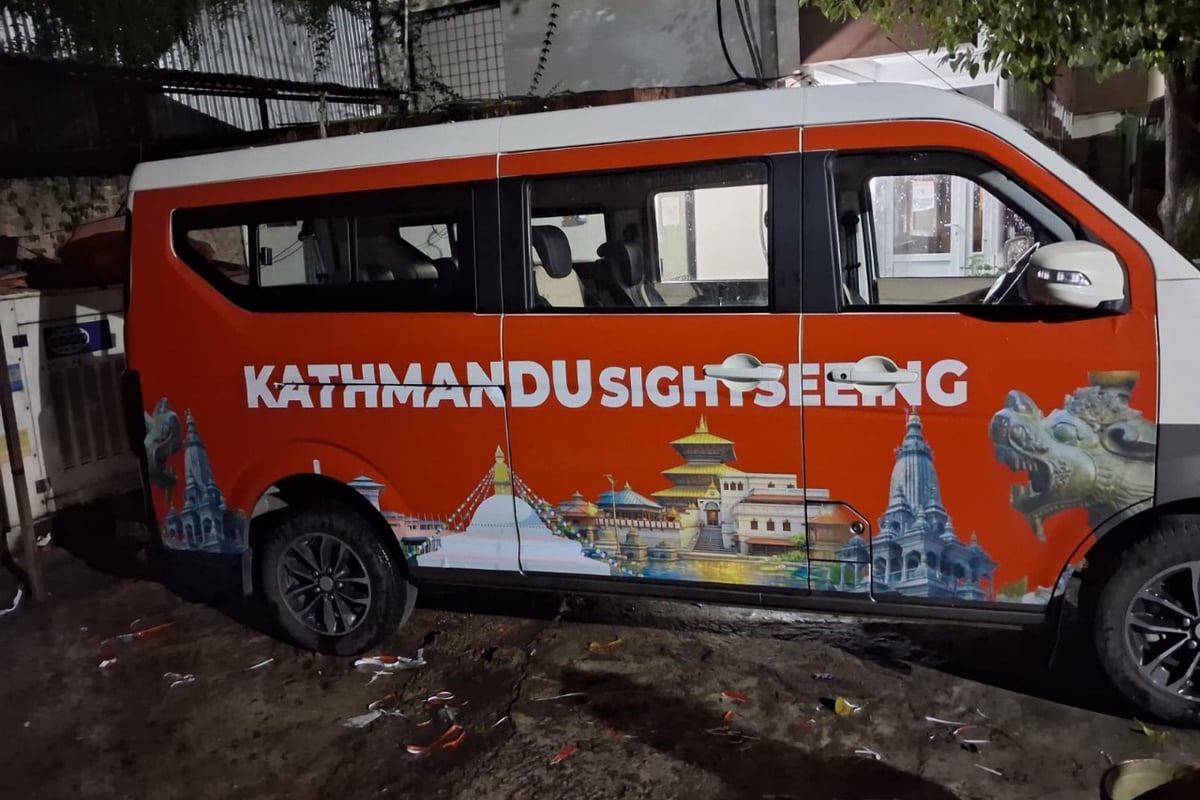
Kathmandu Sightseeing has developed a unique approach to hop-on hop-off touring that maximizes flexibility while managing capacity across 21 heritage stops throughout the valley. Their specialized single-story buses are specifically designed for Kathmandu's narrow historic streets, offering comfortable exploration without the height restrictions that would limit access to many heritage areas.
Historical Evolution and Cultural Impact
Understanding the historical development of the open top bus concept provides valuable context for modern operators and reveals how this vehicle format has shaped urban tourism worldwide.
Origins in British Transport
The open top bus emerged from practical necessity in early 20th century Britain when double-decker buses featured open upper decks as standard design. Britain's open-top bus history documents how these vehicles evolved from utilitarian public transport into specialized tourist attractions, particularly in coastal resort towns and major cities.
The transition from necessity to luxury occurred as enclosed buses became standard for regular service, leaving open-top variants to serve the emerging tourism market. This specialization allowed operators to focus entirely on the sightseeing experience rather than general transportation needs.
Modern Applications Worldwide
Today's open top bus serves diverse purposes across global markets:
- Urban heritage tours showcasing architectural landmarks and historical districts
- Coastal and scenic routes emphasizing natural beauty and waterfront views
- Festival and event transportation providing mobile viewing platforms for parades and celebrations
- Hop-on hop-off services offering flexible exploration of major tourist cities
- Special occasion rentals for weddings, corporate events, and private parties
Each application requires tailored operational approaches that match vehicle capabilities with passenger expectations and local conditions.
Maintenance and Fleet Management
The unique design characteristics of an open top bus create specific maintenance requirements that differ from standard enclosed vehicles. Proactive fleet management ensures reliable service while controlling operating costs.
Weather-Related Wear and Protection
Constant exposure to the elements accelerates wear on seats, flooring, electrical components, and structural elements. Operators must implement rigorous maintenance schedules that address:
- Upholstery treatment with UV-resistant and water-repellent materials
- Electrical system protection against moisture intrusion and corrosion
- Floor surface maintenance including drainage systems and non-slip coatings
- Structural inspection for rust, corrosion, and fatigue in reinforced areas
- Weather protection system maintenance ensuring reliable canopy/cover operation
Regular inspections catch minor issues before they escalate into safety concerns or service interruptions that disappoint passengers and damage reputation.
Cleaning and Presentation Standards
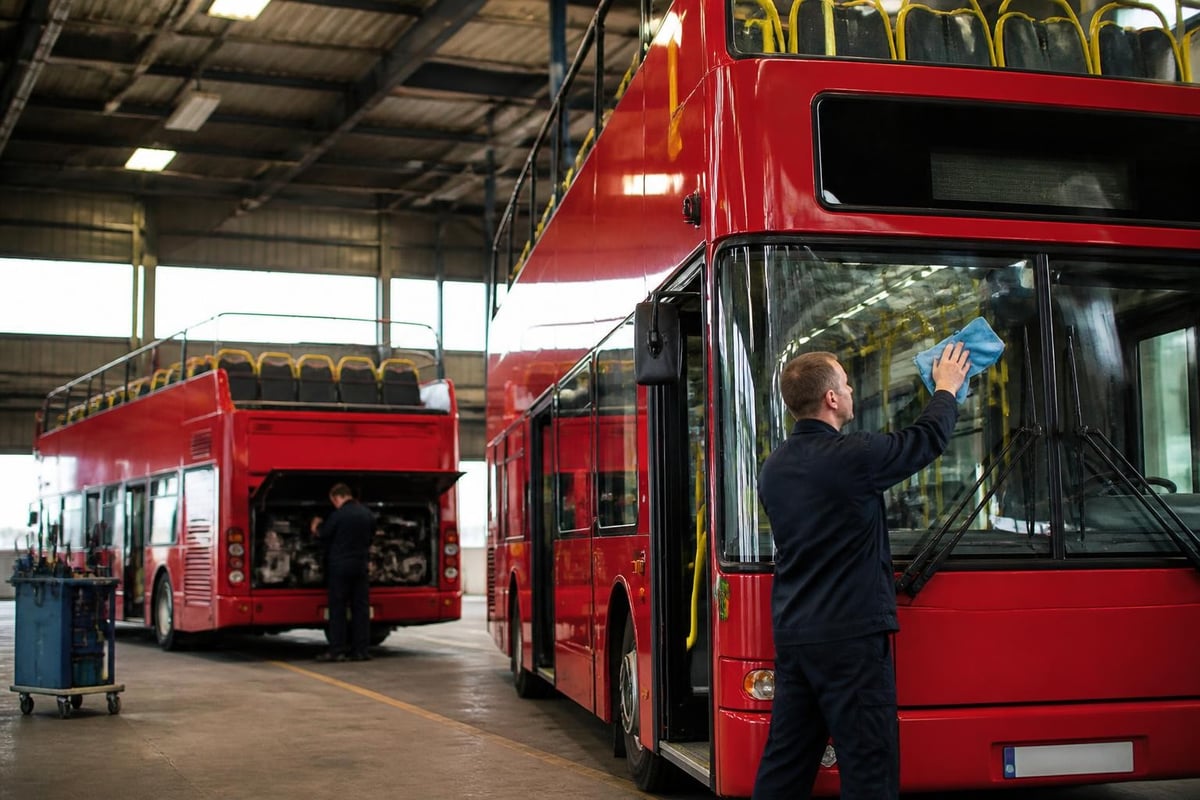
The open design exposes interior surfaces to dust, pollen, bird droppings, and environmental debris that would normally affect only exterior surfaces. Daily cleaning protocols must address both aesthetic and hygiene concerns to maintain the premium experience passengers expect.
Professional operators establish cleaning checklists that cover:
- Pre-service inspection checking all surfaces, seats, and floors
- Mid-day refresh during peak operating seasons with high passenger volume
- Deep cleaning weekly or bi-weekly depending on operating conditions
- Seasonal preparation including weather protection system testing
- Interior detailing maintaining brand standards and passenger comfort
Visible cleanliness directly impacts passenger satisfaction and influences online reviews that drive future bookings for city bus tours.
Marketing and Positioning Strategies
The distinctive appearance and experiential nature of an open top bus create natural marketing advantages that operators can leverage to attract passengers and build brand recognition.
Visual Branding and Recognition
An open top bus serves as a mobile billboard, creating visibility throughout operating areas. Distinctive livery, color schemes, and branding elements make these vehicles instantly recognizable and generate awareness among potential passengers who encounter them on the street.
Effective branding strategies incorporate:
- Bold color schemes that photograph well and stand out in urban environments
- Clear company identification visible from multiple angles and distances
- Route information displayed prominently for spontaneous boarding decisions
- Cultural elements that connect the vehicle design to local heritage and identity
- Social media integration encouraging passengers to photograph and share experiences
For operators focusing on heritage tourism, visual connections to historical themes strengthen the authentic experience passengers seek.
Digital Marketing and Online Presence
Modern passengers research and book tours online before arriving at destinations. Strong digital presence across search engines, social media platforms, and review sites drives visibility and conversions.
Successful digital strategies combine:
- Search engine optimization targeting phrases like "open top bus tours" and location-specific keywords
- Professional photography showcasing the panoramic viewing experience
- Video content demonstrating the route, commentary quality, and passenger experience
- Online booking systems integrated with tour schedules
- Review management encouraging satisfied passengers to share positive experiences
Understanding top view sightseeing advantages helps operators articulate value propositions that resonate with travelers seeking memorable experiences.
Pricing Models and Revenue Optimization
The premium nature of the open top bus experience supports various pricing strategies that maximize revenue while maintaining accessibility for diverse passenger segments.
Tiered Pricing and Package Options
Operators can segment their market by offering different ticket types that match varying passenger needs and budgets:
| Ticket Type | Duration | Features | Typical Price Premium |
|---|---|---|---|
| Single Loop | 60-90 minutes | Basic route, standard commentary | Baseline |
| 24-Hour Pass | Unlimited rides | Hop-on hop-off flexibility | +40-60% |
| Premium Experience | Extended access | Front seats, exclusive commentary | +80-100% |
| Private Booking | Customized duration | Dedicated vehicle, custom route | +300-500% |
The flexibility to hop on and off at multiple stops creates value that justifies premium pricing while giving passengers control over their sightseeing pace.
Dynamic Pricing and Yield Management
Advanced operators implement dynamic pricing strategies that adjust rates based on demand patterns, weather conditions, and seasonal variations. Higher prices during peak tourist seasons and favorable weather conditions maximize revenue, while promotional rates during slower periods maintain utilization and cash flow.
Effective yield management requires:
- Historical data analysis identifying demand patterns
- Real-time booking monitoring to adjust availability
- Weather forecasting integration for optimal scheduling
- Competitor pricing awareness ensuring market positioning
- Package bundling with other attractions or services
These strategies maximize revenue per available seat-mile while maintaining brand positioning in competitive markets.
Competitive Advantages and Market Positioning
The open top bus format offers distinct competitive advantages that differentiate it from alternative sightseeing options including walking tours, private vehicles, and enclosed tour buses.
Unique Value Propositions
Passengers choose open top bus tours because they deliver benefits that other formats cannot match:
- Elevated perspective providing views over crowds and obstacles
- Comfortable coverage of large geographic areas without physical exertion
- Weather-appropriate options with protection systems for changing conditions
- Professional commentary educating passengers throughout the journey
- Photographic opportunities with unobstructed sightlines to landmarks
- Accessibility accommodating passengers with mobility limitations
These inherent advantages create strong market positioning when clearly communicated through marketing messages and booking platforms. Tour bus experiences that emphasize these differentiators attract passengers seeking efficient, comprehensive city exploration.
Sustainability and Environmental Considerations
Modern passengers increasingly value environmental responsibility when selecting tourism activities. Open top bus operators can position their services as sustainable alternatives to individual car travel by highlighting:
- Reduced per-passenger emissions compared to private vehicle touring
- Modern engine technology meeting current emissions standards
- Route optimization minimizing unnecessary mileage and fuel consumption
- Capacity efficiency moving multiple passengers simultaneously
- Local economic impact supporting heritage preservation and cultural tourism
Electric and hybrid powertrains represent the next evolution in open top bus technology, offering virtually silent operation that enhances the passenger experience while eliminating tailpipe emissions in sensitive heritage areas.
The open top bus concept continues to evolve with advancing technology, changing passenger expectations, and growing emphasis on sustainable tourism. Operators who master the balance between engineering safety, regulatory compliance, passenger experience, and operational efficiency position themselves for long-term success in competitive sightseeing markets. Kathmandu Sightseeing brings this proven approach to Nepal's rich cultural landscape, offering travelers an unforgettable journey through UNESCO World Heritage Sites and hidden local treasures aboard specialized vehicles designed specifically for the valley's unique character.