
Nature sightseeing has evolved into one of the most enriching ways to experience the world's natural beauty while connecting with local environments and cultures. Whether exploring mountain vistas, pristine forests, or regions where natural landscapes intersect with cultural heritage, the practice of intentional nature observation offers benefits that extend far beyond simple recreation. In 2026, travelers increasingly seek authentic outdoor experiences that combine environmental appreciation with meaningful exploration. This comprehensive guide examines the essential elements of successful nature sightseeing, from strategic planning and equipment considerations to photography techniques and safety protocols that ensure memorable and responsible outdoor adventures.
Planning Your Nature Sightseeing Adventure
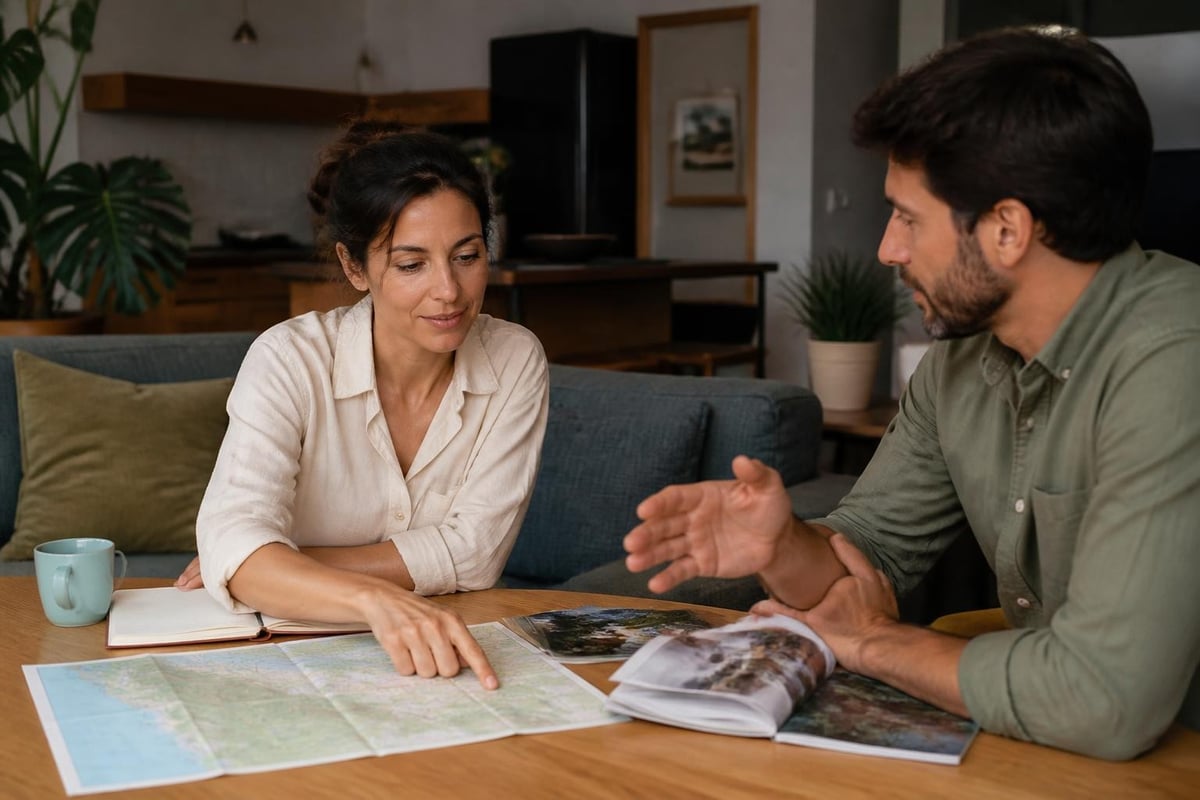
Successful nature sightseeing begins with thorough preparation and research. Understanding your destination's unique characteristics, seasonal patterns, and accessibility options transforms a casual outing into an enriching experience.
Selecting the Right Destination
Choosing the appropriate location depends on multiple factors including experience level, physical fitness, available time, and personal interests. The U.S. National Park Service provides 101 ways to explore nature, offering diverse options that range from challenging mountain trails to accessible valley walks.
Key considerations when selecting a nature sightseeing destination:
- Climate conditions and seasonal weather patterns
- Trail difficulty ratings and elevation changes
- Wildlife viewing opportunities and migration schedules
- Cultural or historical significance of the area
- Accessibility for different mobility levels
Regional expertise matters significantly when planning nature excursions in unfamiliar territories. Local tour operators understand seasonal variations, optimal viewing times, and hidden locations that independent travelers might overlook.
Timing and Seasonal Considerations
Nature reveals different characteristics throughout the year, making timing crucial for optimal sightseeing experiences. Spring brings wildflower blooms and bird migrations, summer offers extended daylight and accessible high-altitude locations, autumn displays dramatic foliage transformations, and winter provides unique snow-covered landscapes and opportunities for observing cold-weather wildlife.
| Season | Best For | Challenges | Ideal Duration |
|---|---|---|---|
| Spring | Wildflowers, bird migration | Unpredictable weather | Half-day to full-day |
| Summer | Extended daylight, high trails | Crowds, heat | Full-day to multi-day |
| Autumn | Foliage, comfortable temperatures | Shorter days | Half-day to full-day |
| Winter | Snow landscapes, solitude | Limited access, cold | Half-day recommended |
Research specific regions thoroughly before committing to dates. Mountain areas may experience sudden weather shifts, while valley locations often maintain more predictable conditions throughout the year.
Essential Equipment for Nature Sightseeing
Proper equipment enhances both safety and enjoyment during outdoor excursions. While extensive gear isn't necessary for every trip, certain fundamental items prove invaluable across various nature sightseeing scenarios.
Core Equipment Categories
Navigation and Safety Tools:
- Physical maps and compass (never rely solely on electronic devices)
- Fully charged mobile device with offline maps
- First aid kit with location-appropriate supplies
- Emergency whistle and flashlight with extra batteries
Clothing and Personal Items:
- Layered clothing appropriate for changing conditions
- Sturdy, broken-in footwear with proper ankle support
- Sun protection including hat, sunglasses, and sunscreen
- Sufficient water (minimum one liter per person for short trips)
Binoculars significantly enhance nature sightseeing by bringing distant wildlife, geological formations, and architectural details into clear view. Quality optics range from compact 8x25 models for casual observation to professional 10x42 configurations for serious enthusiasts.
The National Park Service travel tips emphasize preparing for changing conditions regardless of initial weather forecasts. Mountain and valley environments can shift dramatically within hours, making adaptable equipment essential.
Photography Equipment Considerations
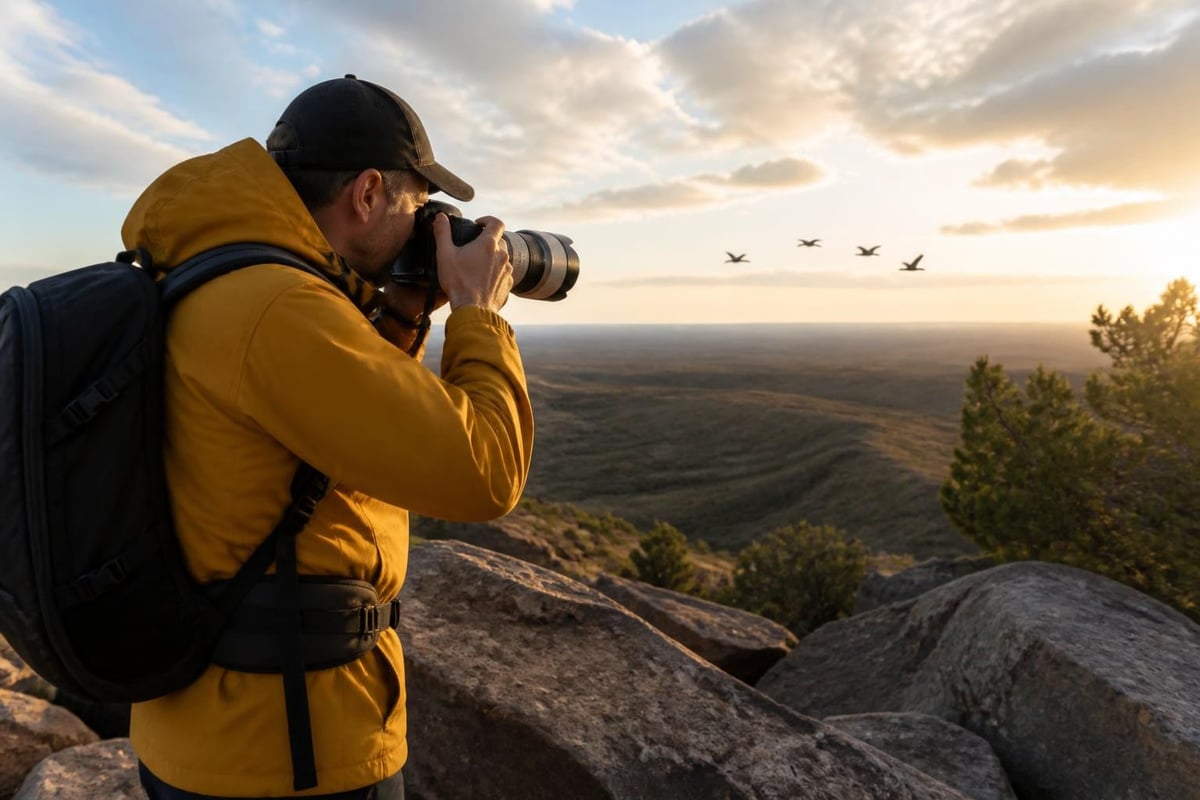
Capturing nature's beauty through photography adds another dimension to sightseeing experiences. Modern smartphone cameras deliver impressive results, yet dedicated equipment provides greater creative control.
- Camera selection: Choose between smartphone, compact point-and-shoot, or interchangeable lens systems based on experience and commitment level
- Lens options: Wide-angle lenses capture expansive landscapes while telephoto configurations bring distant subjects closer
- Stabilization tools: Lightweight tripods or monopods reduce blur in challenging lighting conditions
- Protection gear: Weather-resistant bags and lens covers protect equipment from moisture and dust
National Geographic's landscape photography tips provide expert guidance for composing compelling nature images that preserve memories and share experiences with others.
Maximizing Your Nature Sightseeing Experience
Beyond equipment and planning, certain practices and mindsets significantly enhance the quality of outdoor adventures. Intentional observation, environmental awareness, and respectful engagement with natural spaces create deeper connections with the landscape.
Mindful Observation Techniques
Nature sightseeing becomes transformative when approached with focused attention rather than hurried completion. The Wilderness Society offers valuable tips for nature walking that emphasize slowing down and engaging all senses.
Effective observation practices include:
- Pausing regularly to scan surroundings from different perspectives
- Listening for bird calls, wind patterns, and water sounds
- Noting seasonal changes in vegetation and wildlife behavior
- Observing how light transforms landscapes throughout the day
- Documenting observations through sketching or journaling
Dedicated observation periods often reveal details that hurried visitors miss entirely. Spending fifteen minutes in one location frequently provides richer experiences than covering twice the distance at double the pace.
Engaging with Local Knowledge
Communities living near natural areas possess generational knowledge about seasonal patterns, wildlife behaviors, and hidden viewpoints. Engaging respectfully with local guides and residents adds cultural context that enriches pure environmental observation. For travelers exploring regions with both natural beauty and cultural heritage, guided experiences often reveal connections between landscape and human history that independent exploration might overlook. The Kathmandu Sightseeing hop on hop off bus tour demonstrates how structured tours can balance natural viewpoints with cultural landmarks, creating comprehensive sightseeing experiences that honor both environmental and heritage values.

Local expertise proves particularly valuable in unfamiliar ecosystems where subtle environmental cues indicate changing conditions or wildlife presence. Professional guides interpret landscapes through multiple lenses simultaneously, combining ecological knowledge with historical and cultural perspectives.
Safety and Environmental Responsibility
Responsible nature sightseeing prioritizes both personal safety and environmental preservation. Understanding potential hazards while minimizing ecological impact ensures that natural areas remain pristine for future visitors.
Personal Safety Protocols
The Nature Conservancy's outdoor safety tips emphasize preparation and awareness as foundations for safe outdoor experiences.
Critical safety considerations:
- Share detailed itineraries with trusted contacts before departing
- Monitor weather forecasts and prepare for worst-case scenarios
- Recognize personal physical limits and adjust plans accordingly
- Maintain awareness of wildlife behaviors and appropriate distances
- Carry adequate food, water, and emergency supplies
- Know basic first aid procedures for common outdoor injuries
Group sightseeing offers safety advantages through shared vigilance and combined resources. Solo adventurers must exercise extra caution, maintaining heightened awareness and conservative risk assessment.
Leave No Trace Principles
Environmental stewardship ensures that nature sightseeing remains sustainable for generations. The Leave No Trace framework provides specific guidelines for minimizing human impact on natural environments.
| Principle | Application | Impact |
|---|---|---|
| Plan ahead | Research regulations, prepare for conditions | Reduces improvisation damage |
| Stay on trails | Use established paths, avoid shortcuts | Prevents erosion and habitat disruption |
| Pack out waste | Remove all trash, including organic materials | Maintains pristine conditions |
| Respect wildlife | Observe from distance, never feed animals | Preserves natural behaviors |
| Minimize campfire impact | Use established sites or avoid fires | Reduces scarring and pollution |
Photography ethics align with environmental responsibility. Never disturb wildlife, trample vegetation, or alter natural features to achieve desired compositions. Authentic nature sightseeing embraces landscapes as they exist rather than manipulating them for personal preferences.
Photography Tips for Nature Sightseeing
Capturing compelling images during nature excursions requires both technical knowledge and artistic sensibility. Understanding fundamental photography principles elevates casual snapshots into meaningful visual records.
Composition and Lighting Fundamentals
The National Forest Foundation shares nature photography tips that emphasize working with natural light and thoughtful framing.
Essential composition techniques:
- Apply the rule of thirds by positioning key elements along imaginary grid lines
- Include foreground elements to create depth in landscape images
- Seek leading lines such as trails, rivers, or ridge lines that guide viewer attention
- Frame subjects with natural elements like tree branches or rock formations
- Capture scale by including recognizable objects in vast landscapes
Golden hours, the periods shortly after sunrise and before sunset, provide soft, directional light that enhances texture and dimension. Midday overhead sun creates harsh shadows but works well for forest interiors where canopy coverage diffuses intense light.
Wildlife Photography Considerations
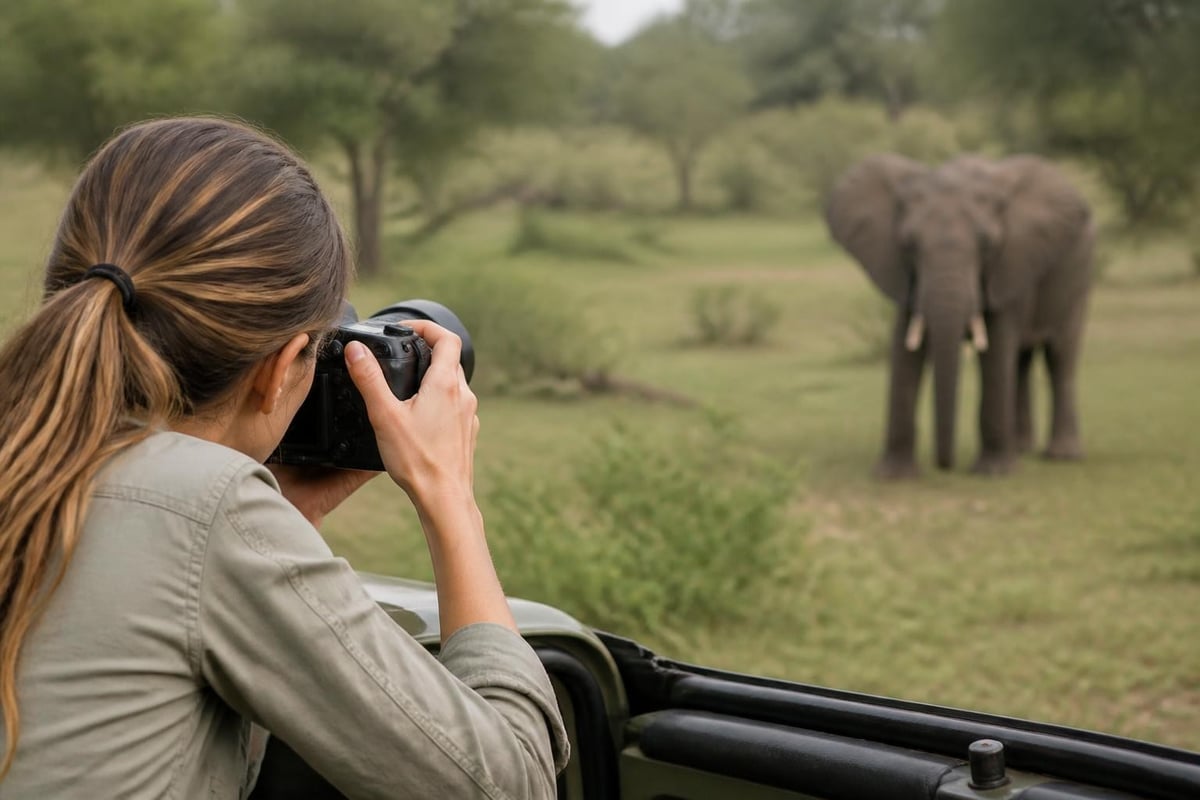
Photographing animals during nature sightseeing demands patience, preparation, and ethical practices. Successful wildlife images result from understanding animal behavior, maintaining appropriate distances, and accepting that not every encounter produces photographs.
Telephoto lenses allow respectful distances while capturing frame-filling images. Minimum recommended focal lengths start at 200mm for medium-sized animals, with 400mm or longer preferred for birds and cautious mammals. Modern image stabilization technology compensates for hand-held shooting at these magnifications.
Never pursue, call, or bait wildlife to achieve closer approaches or desired behaviors. Natural observations from respectful distances yield authentic images while preserving animal welfare and natural patterns.
Discovering Nature Sightseeing Opportunities Nearby
Outstanding nature sightseeing opportunities exist closer than many people realize. Local and regional natural areas offer convenient access to outdoor experiences without extensive travel requirements.
Finding Local Natural Areas
The Nature Conservancy provides seven ways to find nature activities nearby, including online databases, local conservation organizations, and community recreation departments.
Resources for discovering nearby nature:
- Municipal parks and recreation department websites
- State and regional conservation land trusts
- Birding and natural history clubs
- University extension programs and nature centers
- Social media groups focused on local outdoor recreation
Regional parks often provide excellent introductions to nature sightseeing with maintained trails, interpretive signage, and facilities that support visitors of varying experience levels. These accessible locations allow skill development and equipment testing before committing to more remote destinations.
Exploring Diverse Natural Landscapes
Nature sightseeing encompasses tremendous landscape diversity, from coastal environments to mountain peaks, desert formations to temperate forests. Each ecosystem presents unique observation opportunities and requires specific preparation approaches.
Coastal areas offer tidal zone exploration, seabird observations, and dramatic wave-sculpted geology. Mountain regions provide elevation-driven ecosystem transitions, panoramic vistas, and alpine flora. Forest environments shelter diverse wildlife, seasonal transformations, and intricate ecological relationships. Desert landscapes showcase geological processes, specialized adaptations, and stunning night skies.
Varying sightseeing destinations builds comprehensive understanding of natural systems while maintaining fresh perspectives and sustained interest.
Enhancing Nature Sightseeing Through Education
Deepening knowledge about ecology, geology, and natural history transforms casual observation into informed appreciation. Educational foundations help visitors recognize significant phenomena, understand ecological relationships, and ask meaningful questions during nature sightseeing.
Building Natural History Knowledge
Field guides specific to target regions provide portable reference materials for identifying flora, fauna, and geological features. Digital applications now offer instant identification through image recognition, though traditional printed guides encourage closer observation and comparative analysis.
Recommended learning approaches:
- Start with broad regional guides before specializing in specific taxa
- Focus initial learning on common species rather than rarities
- Join naturalist-led walks to learn identification techniques from experts
- Practice sketching observed specimens to enhance detailed observation
- Maintain personal nature journals documenting sightings and seasonal patterns
Online courses, documentary films, and natural history podcasts supplement field experiences with broader ecological context. Understanding migration patterns, geological timeframes, and ecosystem dynamics enriches real-time observations with layered significance.
Connecting with Nature Communities
Engaging with fellow nature enthusiasts accelerates learning while building supportive networks. Local birding clubs, naturalist societies, and conservation organizations offer scheduled outings, educational programs, and opportunities to contribute citizen science data.
Shared experiences create accountability for continued exploration while introducing diverse perspectives on natural phenomena. Experienced members mentor newcomers, sharing accumulated knowledge about local conditions, seasonal highlights, and preferred observation locations.
Online communities complement in-person groups, particularly for specialized interests or remote locations. Photography forums, birding listservs, and regional natural history groups facilitate question-asking, identification assistance, and trip planning advice.
Advanced Nature Sightseeing Techniques
Experienced nature enthusiasts develop specialized skills that reveal hidden dimensions of natural environments. These advanced techniques require patience and practice but unlock extraordinary observation opportunities.
Tracking and Sign Reading
Animal tracks, scat, feeding evidence, and territorial markings tell stories about wildlife presence and behaviors. Learning to read these signs transforms landscapes into narrative spaces revealing recent activities and habitat use patterns.
Common wildlife signs include:
- Track patterns indicating species, size, and movement direction
- Browse lines showing deer feeding heights
- Nest materials and construction techniques identifying bird species
- Scratch marks on trees indicating bear territories
- Pellets and castings revealing raptor hunting success
Field guides dedicated to animal tracking provide detailed references for interpreting sign evidence. Practice begins with clear tracks in mud, sand, or snow before progressing to subtle indications on harder surfaces.
Phenological Observation
Phenology studies recurring natural phenomena tied to seasonal and climate patterns. Tracking first bloom dates, migration arrivals, leaf emergence timing, and similar events creates valuable long-term datasets while deepening personal connections to place.
Systematic phenological observation requires consistent monitoring schedules and detailed record-keeping. Photographing the same locations at regular intervals documents gradual transformations that daily observation might overlook. These records gain significance over years, revealing climate trends and ecosystem shifts.
Contributing observations to established phenological networks provides scientists with distributed data collection across vast geographic ranges. Programs such as Nature's Notebook welcome volunteer observers of all experience levels.
Weather and Climate Considerations
Understanding meteorological patterns and climate characteristics directly influences both safety and enjoyment during nature sightseeing. Weather shapes animal behaviors, plant phenology, and landscape accessibility while presenting varying hazards depending on conditions.
Interpreting Weather Patterns
Cloud formations, wind directions, barometric pressure trends, and temperature gradients provide advance warning of changing conditions. Traditional weather wisdom, combined with modern forecasting tools, enables informed decision-making during outdoor excursions.
High, wispy cirrus clouds often precede approaching weather systems by 24-48 hours. Rapidly building cumulus clouds in mountain regions signal afternoon thunderstorm potential. Sudden temperature drops or wind shifts indicate frontal passages bringing significant weather changes.
Modern weather applications provide detailed hourly forecasts, precipitation predictions, and severe weather alerts. However, localized conditions, particularly in mountainous terrain, may differ substantially from regional forecasts. Observing immediate environmental cues remains essential regardless of predicted conditions.
Seasonal Climate Adaptations
Each season presents distinct advantages and challenges for nature sightseeing. Spring volatility brings rapid weather changes but showcases renewal and migration. Summer stability offers predictable conditions yet introduces heat stress and afternoon storms. Autumn provides comfortable temperatures and dramatic colors while daylight diminishes. Winter solitude and unique landscapes come with cold exposure risks and limited accessibility.
Adapting clothing systems, hydration strategies, and activity timing to seasonal conditions ensures comfort and safety across varying environments. Layered clothing allows temperature regulation through changing conditions. Adequate water intake prevents both heat illness and cold-weather dehydration. Starting early capitalizes on stable morning conditions while avoiding afternoon heat or storms.
Nature sightseeing offers unparalleled opportunities to connect with natural environments while developing observation skills, environmental awareness, and appreciation for ecological complexity. By combining thorough planning, appropriate equipment, responsible practices, and continuous learning, outdoor enthusiasts create meaningful experiences that enrich understanding of the natural world. Whether you're exploring nearby parks or venturing to distant landscapes, Kathmandu Sightseeing demonstrates how expertly guided tours can transform sightseeing into comprehensive journeys that honor both natural beauty and cultural heritage, creating unforgettable adventures that inspire lasting connections to place.