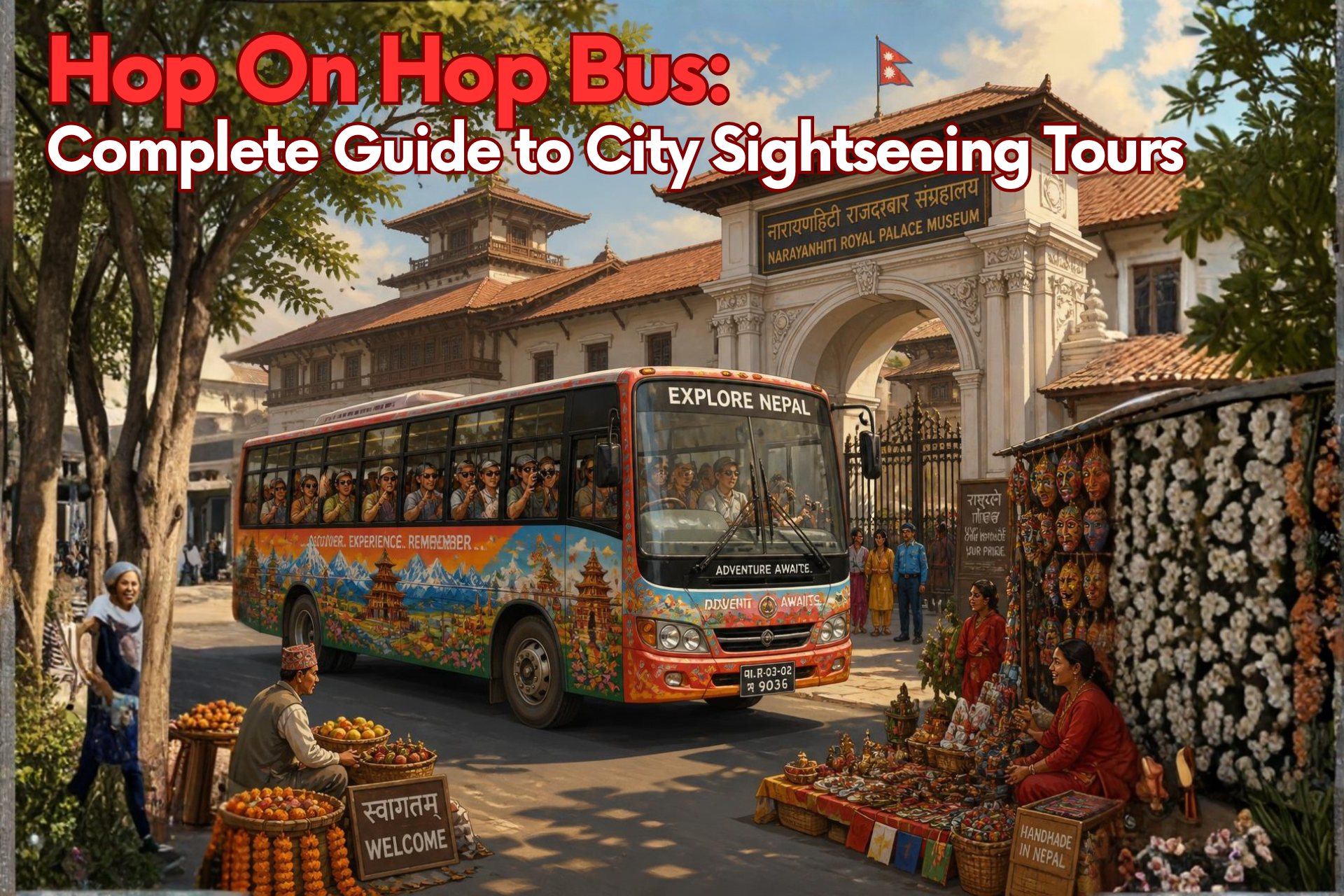
Exploring a new city can be overwhelming, especially when trying to balance time constraints with the desire to see everything a destination has to offer. The hop on hop bus model has revolutionized urban tourism by providing visitors with the flexibility to explore at their own pace while accessing curated routes that highlight cultural landmarks and hidden treasures. This transportation solution combines convenience with comprehensive coverage, making it an ideal choice for both first-time visitors and seasoned travelers who want to maximize their sightseeing experience without the stress of navigation or rigid schedules.
Understanding the Hop On Hop Bus Concept
The hop on hop bus system represents a flexible approach to urban exploration that differs significantly from traditional guided tours. Unlike fixed-schedule excursions, this model allows passengers to board and exit the bus at designated stops throughout the day, creating a personalized itinerary based on individual interests and energy levels.
How the Service Operates
Most hop on hop bus services operate on a loop route that connects major attractions within a city. Passengers purchase a ticket valid for a specific duration, typically 24 or 48 hours, during which they can board any bus in the fleet as many times as they wish. Buses arrive at each stop at regular intervals, usually every 15 to 30 minutes, ensuring minimal wait times.
The system relies on several key components:
- Fixed routes designed by local experts to maximize cultural and historical exposure
- Multiple stops at or near major attractions and points of interest
- Frequent service throughout operating hours to minimize disruption to visitor schedules
- Audio guides or live commentary providing context and stories about each location
- Flexible tickets allowing passengers to create their own pace and priorities
This structure empowers tourists to spend as much or as little time as desired at each location, a stark contrast to traditional group tours that enforce strict time limits.
Benefits of Choosing a Hop On Hop Bus for Sightseeing
The advantages of this touring model extend beyond simple convenience. For many travelers, the hop on hop bus offers the perfect balance between structured guidance and personal freedom.
Cost Efficiency and Value
A single ticket often costs less than multiple taxi rides or ride-sharing trips between attractions. When you consider that the fare typically includes audio commentary and access to a comprehensive route network, the value proposition becomes compelling. Families and groups particularly benefit from this pricing structure, as children often receive discounted or free admission.
Accessibility and Comfort
Modern touring buses are designed with passenger comfort in mind, featuring climate control, comfortable seating, and often wheelchair-accessible boarding. This accessibility makes cultural exploration possible for travelers with mobility concerns who might struggle with walking tours or public transportation systems in unfamiliar cities.
Learning Opportunities on Board
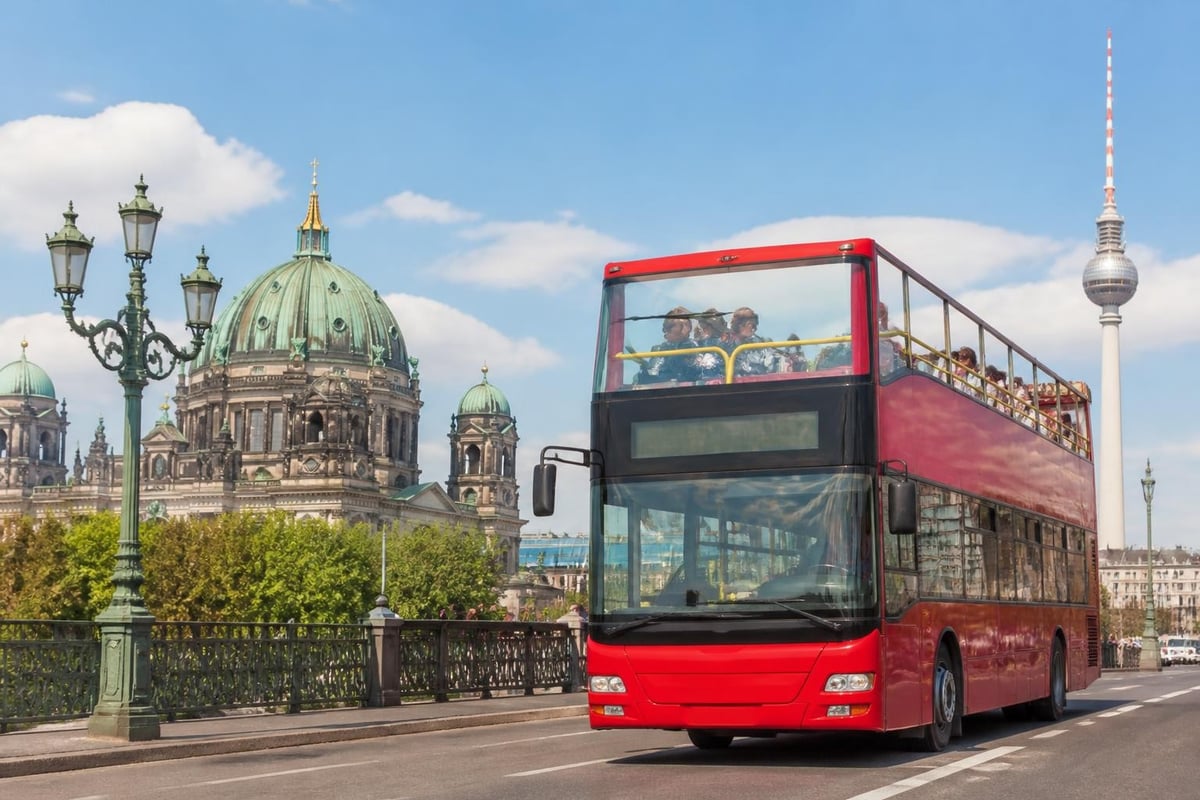
The educational component distinguishes hop on hop bus experiences from simple transportation. Research on bus-based tours as experience spaces demonstrates how structured touring creates immersive environments that engage passengers emotionally, cognitively, and socially. Audio guides available in multiple languages provide historical context, architectural insights, and cultural narratives that transform passive transportation into active learning.
Commentary typically covers:
- Historical background of neighborhoods and buildings
- Architectural styles and their cultural significance
- Local customs and contemporary life in the city
- Recommendations for restaurants, shops, and hidden gems
- Connections between different sites and their role in the city's development
Planning Your Hop On Hop Bus Experience
Strategic planning transforms a good sightseeing day into an exceptional one. While the flexibility of the hop on hop bus model allows for spontaneity, a basic framework ensures you maximize your time and see your priority attractions.
Timing and Route Selection
Start your day early to take advantage of the full ticket duration. Morning departures typically encounter lighter crowds at popular attractions, allowing for better photography and more intimate experiences. Studies on user satisfaction with hop-on hop-off routes highlight the importance of understanding full-loop duration and walking distances between stops when planning your itinerary.
| Planning Factor | Recommendation | Rationale |
|---|---|---|
| Start Time | First departure of the day | Maximum ticket value and smaller crowds |
| Priority Sites | Visit top 3-4 attractions | Ensures you see must-see locations before fatigue sets in |
| Lunch Break | Plan around less central stops | Discover local restaurants away from tourist zones |
| Flexibility Buffer | Leave 2-3 stops unscheduled | Allows for spontaneous discoveries or extended visits |
Creating a Balanced Itinerary
Avoid trying to visit every single stop on the route. This common mistake leads to rushed visits and surface-level experiences. Instead, select five to seven stops that align with your interests, whether that's religious architecture, museums, markets, or scenic viewpoints. Group nearby attractions together to minimize bus travel time and maximize exploration.
Weather and Seasonal Considerations
In cities like Kathmandu, seasonal weather patterns significantly impact the touring experience. The dry season from October through May offers ideal conditions for sightseeing, while monsoon months require flexibility and rain protection. Check the weather forecast and pack accordingly with sunscreen, water, and appropriate clothing.
Enhancing Your Journey Through Kathmandu's Heritage
Kathmandu presents unique opportunities for hop on hop bus exploration due to its concentrated collection of UNESCO World Heritage Sites and vibrant street culture. The valley's compact geography means major attractions lie within a reasonable circuit, making the touring model particularly effective.
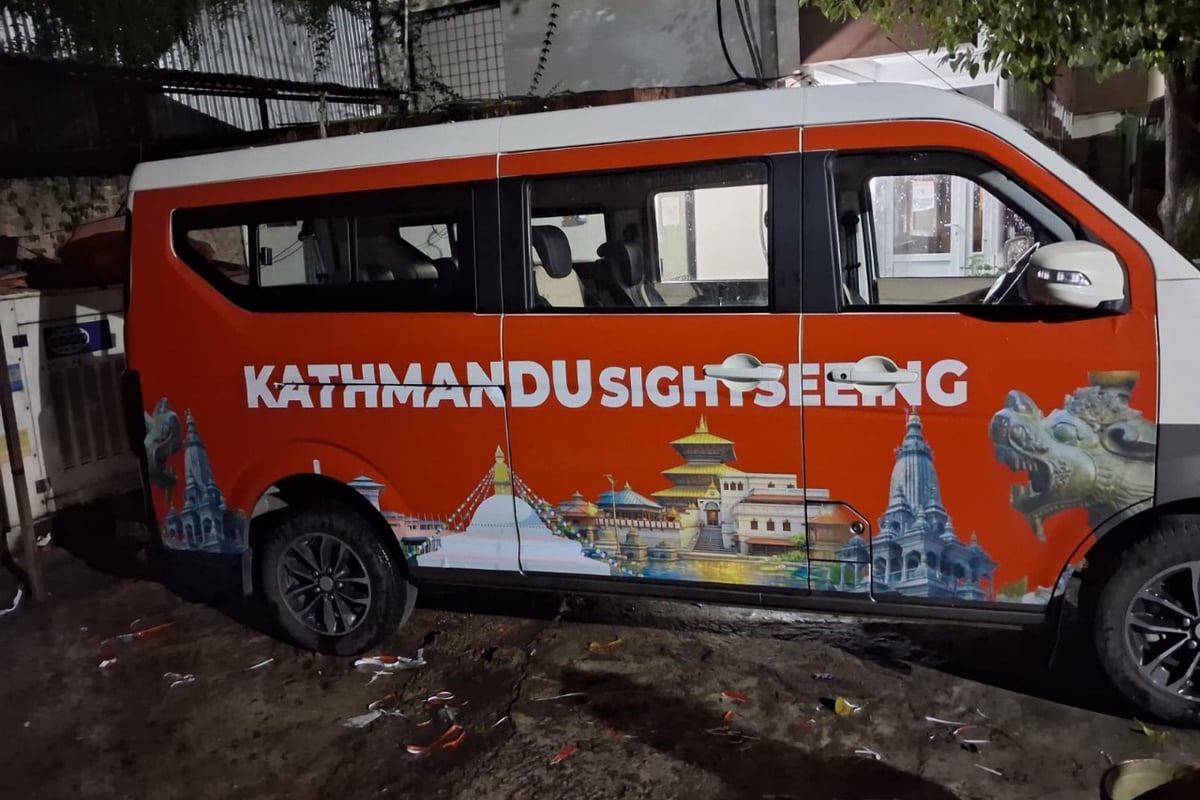
Kathmandu Sightseeing's Hop-On, Hop-Off Tour Bus service provides specialized access to 21 curated heritage stops throughout the valley, offering comprehensive coverage of both renowned landmarks and lesser-known cultural treasures. The modern single-story buses navigate the city's narrow historic streets comfortably, ensuring passengers can reach sites that larger vehicles cannot access.
Must-Visit Heritage Stops
Durbar Square locations offer concentrated historical architecture and living culture. These ancient royal palace complexes showcase Newari craftsmanship through intricately carved wooden windows, stone sculptures, and pagoda-style temples. Spending 60 to 90 minutes at each Durbar Square allows sufficient time to absorb the atmosphere and explore surrounding streets.
Religious sites including Swayambhunath and Boudhanath provide spiritual experiences alongside architectural magnificence. These locations require respectful dress and behavior, so plan accordingly with covered shoulders and knees. Early morning or late afternoon visits often coincide with prayer times, offering authentic glimpses into contemporary religious practice.
Local Markets and Cultural Districts
Beyond monuments, Kathmandu's markets and residential neighborhoods reveal daily life. Asan Tole, Indra Chowk, and New Road represent vibrant commercial districts where traditional trade continues much as it has for centuries. These areas benefit from brief stops where you can wander freely before catching the next bus to continue your journey.
Operational Challenges and Urban Planning
The success of hop on hop bus services depends heavily on thoughtful urban integration and responsive management. Cities worldwide grapple with balancing tourist access against resident quality of life and heritage preservation.
Regulatory Frameworks and Best Practices
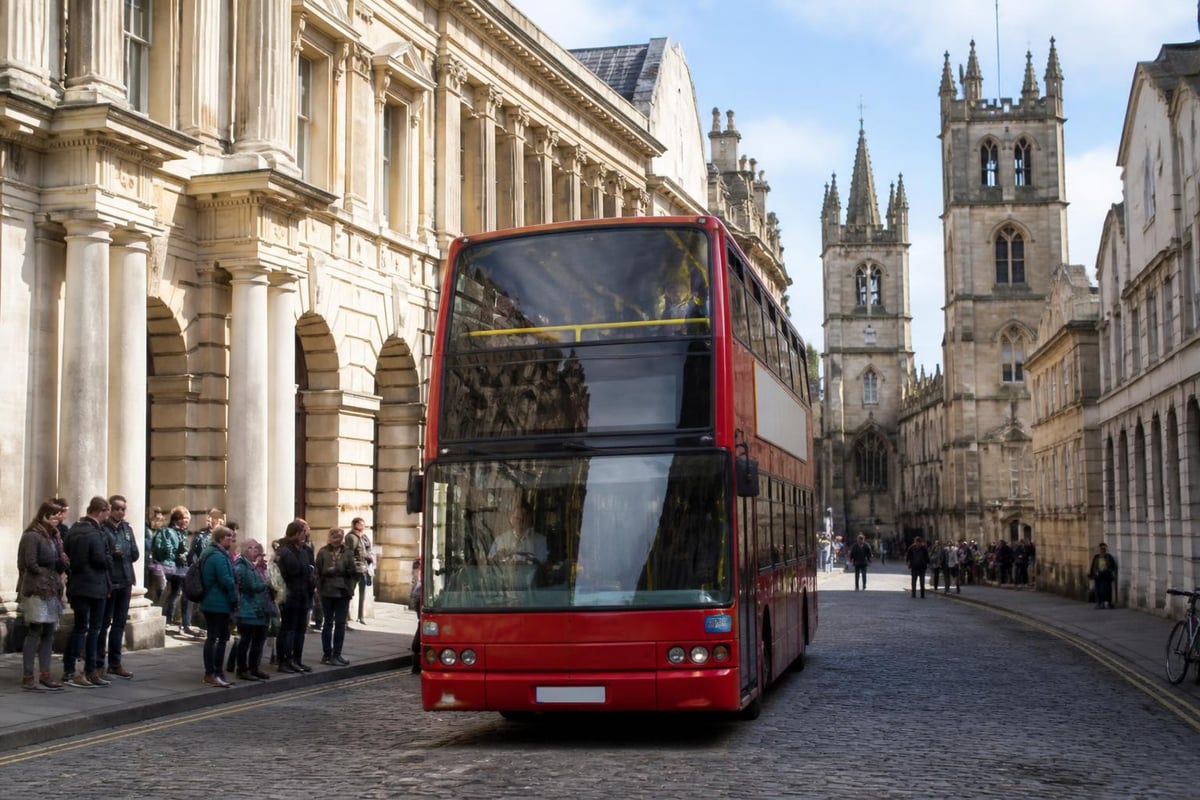
Amsterdam's recent reduction of tourist coach traffic by 66% in its historic centre demonstrates how cities are rethinking tourist transportation. The Dutch capital moved double-decker hop on hop bus tours outside sensitive zones, prioritizing resident liveability while maintaining tourist access through peripheral stops and walking connections.
These regulatory approaches include:
- Zone restrictions limiting where tour buses can operate
- Time-of-day limitations reducing traffic during peak residential hours
- Vehicle specifications requiring appropriate sizing for historic street widths
- Emission standards mandating cleaner fuel technologies
- Stop placement coordinating with local business districts and residential areas
Kathmandu's single-story bus configuration addresses infrastructure constraints proactively, ensuring vehicles can navigate traditional streets without damaging historic architecture or disrupting local traffic flow.
Service Quality and Passenger Experience
The difference between an adequate hop on hop bus tour and an exceptional one often comes down to service quality factors that extend beyond the basic concept. Research examining tourist experiences on heritage tracks identifies staff skills, information quality, vehicle maintenance, and onboard space as critical variables affecting satisfaction.
Staff Training and Customer Service
Well-trained staff transform transportation into hospitality. Drivers who provide safe, smooth rides while maintaining schedules demonstrate professional competence. Customer service representatives at major stops who answer questions, provide directions, and accommodate special needs create welcoming environments that encourage exploration.
| Service Element | Quality Indicator | Impact on Experience |
|---|---|---|
| Driver Skill | Smooth acceleration, safe navigation | Passenger comfort and confidence |
| Audio Guide Content | Accurate information, engaging narration | Educational value and engagement |
| Vehicle Cleanliness | Regular maintenance, spotless interiors | Perceived professionalism and comfort |
| Staff Responsiveness | Quick answers, helpful recommendations | Trust and willingness to explore |
Technology Integration
Modern hop on hop bus services increasingly incorporate technology to improve the passenger experience. Real-time bus tracking apps show approaching buses and wait times at each stop, eliminating uncertainty. Digital tickets reduce boarding time and environmental impact. Interactive route maps help passengers plan their next stops while en route.
Access the latest schedule and booking information through the Kathmandu Sightseeing app, which provides real-time updates and route planning tools to optimize your touring day.
Comparing Hop On Hop Bus to Alternative Touring Methods
Understanding how this touring model stacks up against alternatives helps travelers make informed decisions about their sightseeing strategy.
Private Guides vs. Hop On Hop Bus
Private guides offer personalized attention and customized itineraries but at significantly higher cost. A full-day private guide in Kathmandu typically costs five to ten times more than a hop on hop bus ticket. While guides provide deeper expertise and flexibility, they require advance booking and commitment to a single day's schedule.
Self-Guided Exploration vs. Structured Routes
Independent exploration using taxis or rideshares offers maximum flexibility but requires constant navigation decisions and can result in missed attractions due to lack of local knowledge. The hop on hop bus combines the flexibility of independent travel with the structure and expertise of guided tours, creating a middle path that many travelers find optimal.
Group Tour Comparison
| Factor | Hop On Hop Bus | Traditional Group Tour |
|---|---|---|
| Pace Control | Individual choice | Fixed by group |
| Duration at Sites | Unlimited (within ticket validity) | 15-30 minutes typical |
| Group Size | Independent experience | 20-50 people common |
| Cost | Moderate | Varies widely |
| Scheduling | Flexible start and end | Fixed departure times |
Studies of commuter experience with hop-on services in smaller destination markets reveal that familiarity, comfort, and cleanliness significantly influence satisfaction levels, factors equally relevant to tourist contexts.
Maximizing Cultural Immersion During Your Tour
The hop on hop bus serves as more than transportation; it functions as a cultural gateway when used strategically. Thoughtful engagement with locations transforms brief stops into meaningful encounters.
Interaction with Local Communities
Step beyond immediately adjacent tourist zones when you exit at each stop. Walking one or two blocks from major attractions often leads to authentic neighborhoods where daily life unfolds without performative elements. Local tea shops, small temples, and residential courtyards offer glimpses into contemporary culture that complement historical sites.
Photography and Documentation
While capturing memories matters, balance documentation with presence. Spend the first few minutes at each location simply observing before raising your camera. Notice details like architectural ornamentation, ritual practices, and human interactions. This observation period enriches both your experience and your eventual photographs by providing context and composition ideas.
Respecting Cultural Protocols
Different sites require different behaviors. Religious locations demand modest dress and often prohibit photography inside shrines. Remove shoes where indicated, walk clockwise around stupas, and ask permission before photographing people. These small acts of respect facilitate positive interactions and demonstrate cultural awareness.
Sustainability and Responsible Tourism
Modern travelers increasingly consider the environmental and social impact of their choices. The hop on hop bus model offers sustainability advantages when implemented thoughtfully, though challenges remain.
Environmental Considerations
A single touring bus carrying 30 passengers produces far less emissions per person than 15 private taxis making similar routes. Modern fleets increasingly adopt hybrid or electric powertrains, further reducing environmental impact. The efficiency of a predetermined route also minimizes unnecessary mileage compared to independent navigation.
However, the presence of multiple tour operators running parallel routes can negate these benefits through redundant service. Cities benefit from coordinating licenses and routes to ensure adequate coverage without oversaturation.
Community Impact
Responsible hop on hop bus operations consider resident needs alongside tourist desires. Stop placement should avoid creating bottlenecks in residential areas. Operating hours should respect local rhythms, avoiding early morning or late evening disturbances. Revenue sharing with communities hosting stops ensures tourism benefits extend beyond operators to local populations.
Planning for Special Circumstances and Accessibility
Not all travelers have identical needs or abilities. Quality hop on hop bus services accommodate diverse requirements through thoughtful design and trained staff.
Mobility Accommodations
Wheelchair-accessible buses with low-floor entry and secured spaces ensure passengers with mobility devices can participate fully. Staff training in assistance techniques supports safe, dignified boarding and exiting. Advance notification allows operators to ensure appropriate vehicles are assigned during your travel window.
Traveling with Children
Families with young children benefit from the flexibility to leave when energy flags or naps become necessary. Shorter stops at parks or interactive museums provide breaks from temple tours. Many services offer family tickets at reduced rates, recognizing that children consume the same seat space but often have shorter attention spans at cultural sites.
Language and Communication
Multi-language audio guides ensure non-English speakers access the same rich commentary as Anglophone tourists. Visual route maps transcend language barriers. Staff with diverse language capabilities at major hubs facilitate communication for complex questions or special needs.
Advanced Strategies for Experienced Travelers
Once familiar with the basic hop on hop bus concept, experienced users develop sophisticated strategies to extract maximum value from the service.
Multi-Day Ticket Optimization
When tickets extend across multiple days, strategic planning allows you to cover different route sections on different days. Focus on eastern sites the first day and western locations the second, or divide stops by theme rather than geography. This approach reduces backtracking and allows for deeper exploration at each stop.
Combining Modes of Transportation
Use the hop on hop bus as your primary framework while supplementing with short walks or local buses to reach sites just beyond the main route. This hybrid approach maintains the convenience and expertise of the touring service while expanding your accessible range.
Peak Season Navigation
During high tourist seasons, popular stops experience crowding that can diminish experience quality. Visit major attractions either first thing in the morning or late in the afternoon when tour groups have departed. Use midday hours for less popular stops or lunch breaks in quiet neighborhoods.
The hop on hop bus model represents an evolution in urban tourism that respects both visitor needs and destination integrity. By combining expert route design with individual flexibility, these services democratize access to cultural heritage while supporting sustainable exploration practices. Whether you're discovering Kathmandu's ancient temples, navigating modern markets, or seeking hidden neighborhood treasures, this touring approach adapts to your pace and preferences. Kathmandu Sightseeing brings this vision to life through carefully curated routes, modern comfortable vehicles, and deep local expertise, inviting you to experience the valley's rich heritage on your own terms while supported by professional guidance and comprehensive coverage of both iconic landmarks and authentic local culture.