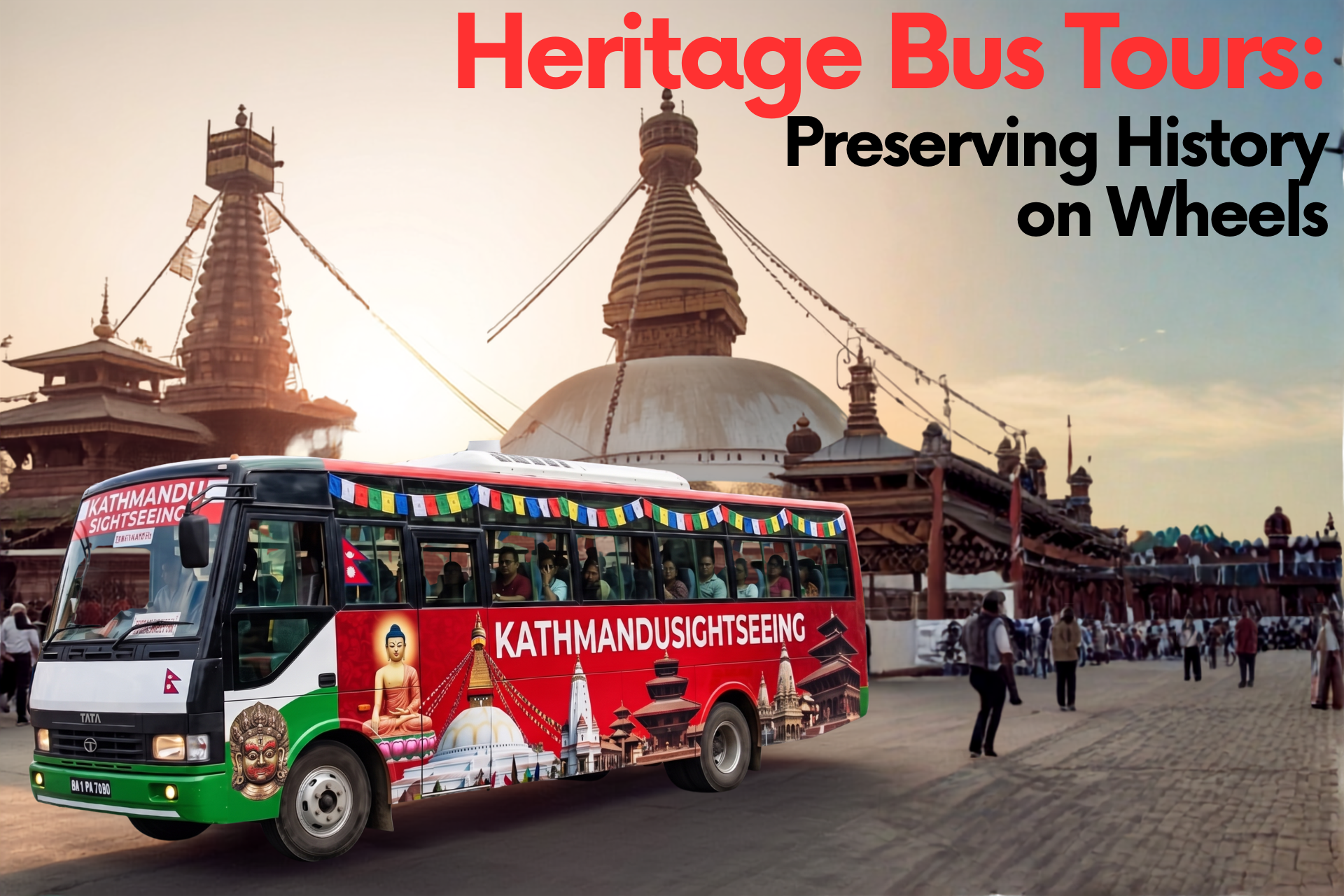
The heritage bus represents far more than vintage transportation. These carefully preserved vehicles serve as rolling museums that connect modern travelers with the rich tapestry of urban history, architectural marvels, and cultural traditions that define cities worldwide. For tourism operators and heritage enthusiasts alike, the heritage bus has become an essential tool for delivering authentic, immersive experiences that standard modern coaches simply cannot replicate. The combination of historical authenticity and practical functionality makes these vehicles uniquely suited to exploring destinations where past and present intersect seamlessly.
The Cultural Significance of Heritage Bus Transportation
A heritage bus transforms ordinary sightseeing into an educational journey through time. These vehicles carry passengers along routes that often mirror historical transportation corridors, creating a tangible connection between modern visitors and the communities that shaped urban landscapes decades ago. The experience extends beyond mere transportation to become a living history lesson on wheels.
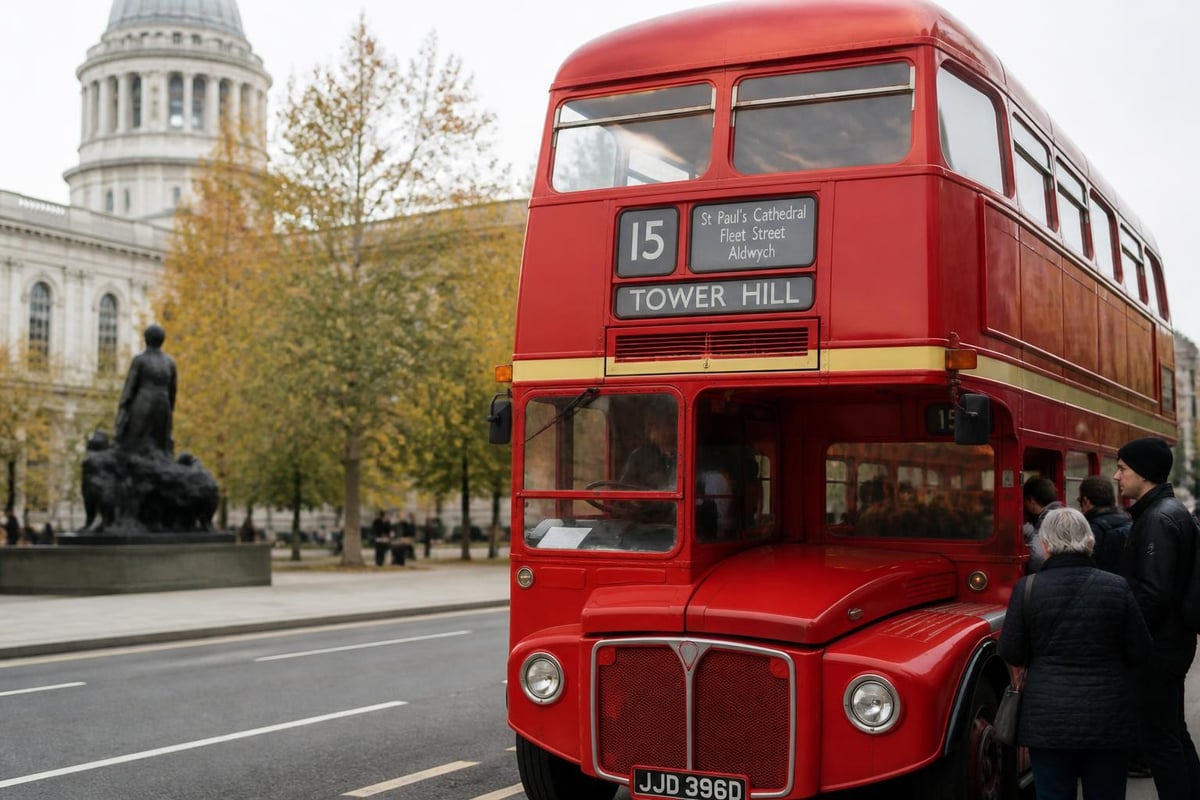
Organizations like The PSV Group demonstrate the broader preservation movement that keeps these vehicles operational. Their work ensures that future generations can experience authentic mid-century transportation while learning about the social and technological evolution that shaped public transit systems.
Preservation Standards and Authenticity
Maintaining a heritage bus requires dedication to historical accuracy and mechanical excellence. Preservation teams follow strict guidelines to ensure vehicles retain their original character while meeting contemporary safety requirements.
- Original paint schemes and livery that reflect specific eras and operators
- Period-correct signage including destination boards and advertising panels
- Authentic interior fixtures from seats to handrails and lighting
- Mechanical restoration using era-appropriate parts and techniques
- Documentation standards that track provenance and restoration history
The Bus Boys Vintage Bus Collection showcases exemplary restoration work that balances historical integrity with operational reliability. Their approach provides a blueprint for tourism operators considering heritage fleet additions.
Integrating Heritage Buses into Modern Tourism Operations
Tourism businesses face unique challenges when incorporating heritage bus services into contemporary operations. The vehicles demand specialized maintenance, trained operators, and carefully planned routes that showcase their strengths while accommodating their limitations. Successfully blending vintage charm with modern service standards requires strategic planning and operational expertise.
Route Planning Considerations
Heritage bus routes must balance historical authenticity with practical tourism needs. Operators should identify corridors where these vehicles can operate safely while maximizing passenger engagement with heritage sites.
| Route Factor | Heritage Bus Requirement | Tourism Impact |
|---|---|---|
| Road Width | Sufficient clearance for vintage dimensions | Limits downtown access in some areas |
| Traffic Volume | Lower-speed environments preferred | Best on dedicated heritage circuits |
| Gradient | Limited hill-climbing capacity | Requires flat to moderate terrain |
| Stop Spacing | Frequent stops suit vintage pacing | Increases passenger interaction time |
| Heritage Density | Multiple sites within short distances | Maximizes educational value per route |
Kathmandu's narrow historic streets perfectly suit heritage bus operations when routes are designed with vehicle capabilities in mind. The compact concentration of UNESCO World Heritage Sites enables efficient routing that keeps passengers engaged throughout their journey.
Operational Excellence with Vintage Vehicles
Running a heritage bus service demands different operational protocols than managing modern fleets. Maintenance windows extend longer, spare parts require specialized sourcing, and driver training emphasizes vintage handling characteristics.
Pre-service preparation checklist:
- Daily mechanical inspection covering brakes, steering, and electrical systems
- Fluid level verification for oil, coolant, and hydraulic systems
- Tire pressure and tread condition assessment
- Interior cleanliness and period detail verification
- Safety equipment functionality testing
- Driver briefing on route conditions and passenger expectations
The Heritage Bus Association provides valuable resources for operators developing maintenance protocols that keep vintage vehicles reliable while preserving their historical character.
Passenger Experience Design for Heritage Bus Tours
Creating memorable experiences aboard a heritage bus requires thoughtful attention to how passengers interact with the vehicle and surrounding environment. The vintage setting naturally encourages slower pacing and deeper engagement compared to standard tour buses.
Narrative Development and Storytelling
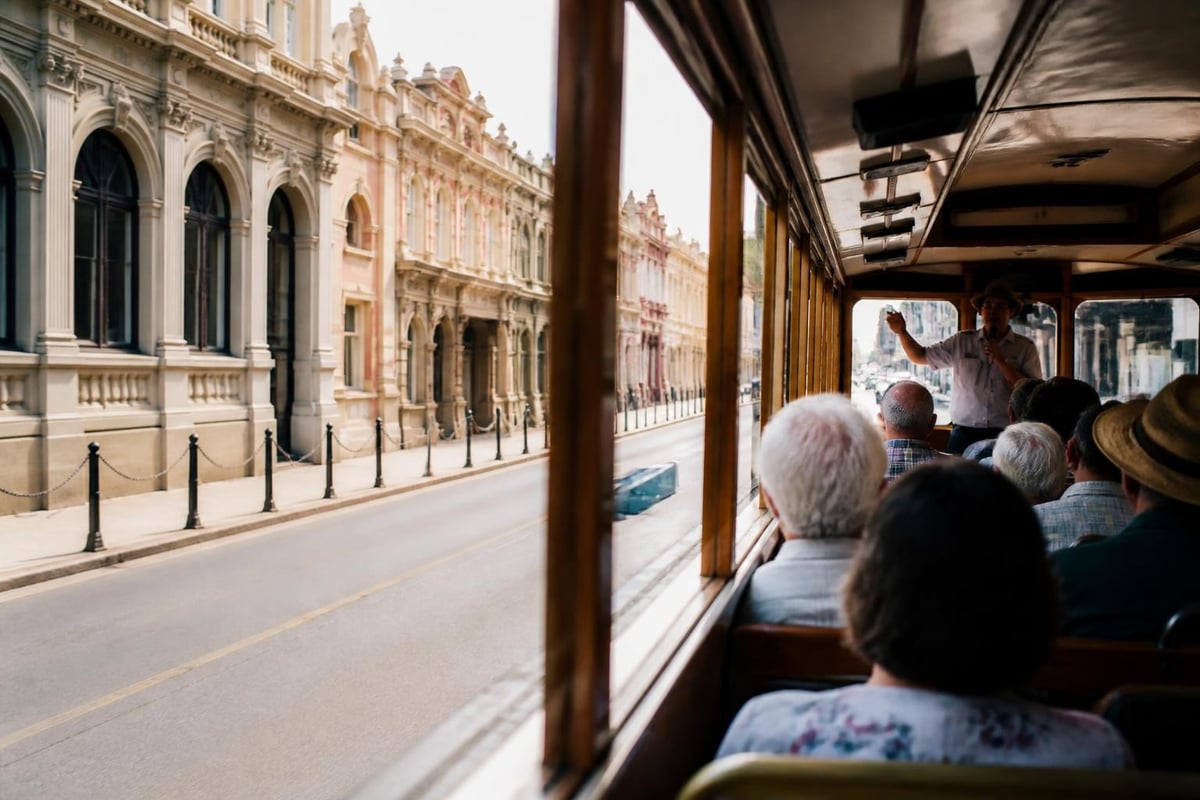
Commentary aboard a heritage bus should acknowledge the vehicle itself as part of the story. Guides can weave transportation history into broader cultural narratives, creating multilayered experiences that resonate with diverse passenger interests.
- Connect vehicle design eras to corresponding architectural periods
- Highlight how transportation routes shaped neighborhood development
- Share anecdotes about daily life during the vehicle's original service period
- Explain restoration processes and preservation challenges
- Link transportation evolution to broader social and economic changes
Comfort and Accessibility Balance
Historic vehicles present accessibility challenges that require creative solutions. While complete modernization would compromise authenticity, operators must ensure reasonable accommodation for passengers with diverse needs.
Modern sightseeing services can learn from heritage bus operations while offering contemporary comfort. The Kathmandu Sightseeing hop on hop off bus tour demonstrates how specialized modern buses can navigate historic districts while providing accessibility features that complement traditional heritage experiences. This parallel operation model allows businesses to serve broader audiences while maintaining authentic vintage services for enthusiasts.
Marketing Heritage Bus Experiences to Target Audiences
Heritage bus tours attract distinct market segments that value authenticity, education, and unique experiences over standard tourism offerings. Effective marketing emphasizes the vehicle's role in creating differentiated value.
Audience Segmentation Strategies
Different passenger groups seek different benefits from heritage bus experiences. Tailoring messaging to specific motivations increases conversion rates and passenger satisfaction.
| Audience Segment | Primary Motivation | Marketing Emphasis |
|---|---|---|
| History Enthusiasts | Educational depth | Vehicle provenance and historical accuracy |
| Photography Hobbyists | Unique visual opportunities | Vintage aesthetics and heritage backdrops |
| Family Travelers | Multi-generational appeal | Novelty factor and educational value |
| Cultural Tourists | Authentic local experiences | Traditional transportation and neighborhood character |
| Senior Travelers | Nostalgic connection | Period memories and comfortable pacing |
The Oxford Bus Museum demonstrates how special events featuring heritage buses create buzz and attract diverse audiences beyond typical museum visitors. Their Retro Wheels gatherings show the social dimension that heritage vehicles enable.
Digital Marketing for Heritage Transportation
Online promotion of heritage bus services requires visual storytelling that conveys the distinctive atmosphere these vehicles create. High-quality photography and video content should capture both the vehicles themselves and passenger reactions to heritage environments.
Effective digital content themes:
- Time-lapse sequences showing heritage buses navigating historic districts
- Passenger testimonials emphasizing unique experience elements
- Behind-the-scenes restoration and maintenance documentation
- Comparative historical photographs showing route evolution
- Expert interviews with preservationists and transportation historians
Social media platforms favor content that tells compelling stories beyond simple promotional messages. Heritage bus operations provide inherently shareable content that audiences willingly engage with and distribute.
Partnerships and Community Engagement
Successful heritage bus operations thrive through collaborative relationships with preservation organizations, cultural institutions, and local communities. These partnerships enhance authenticity while expanding operational capabilities and audience reach.
Preservation Society Collaborations
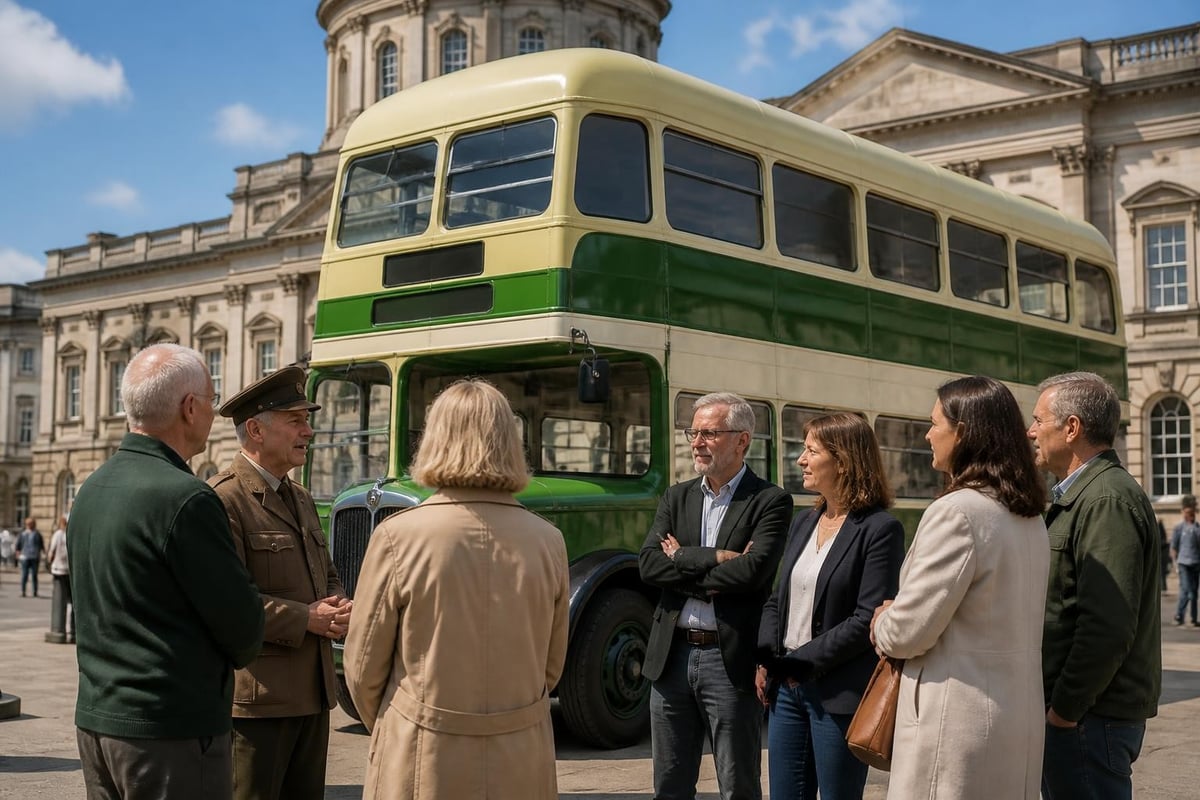
Connecting with established preservation groups provides access to technical expertise, parts resources, and enthusiast networks that support heritage bus sustainability. Organizations like The Ribble Vehicle Preservation Trust offer models for how specialist knowledge transfers between preservation and commercial tourism contexts.
These partnerships often enable vehicle loans, restoration assistance, and promotional cross-pollination that benefits both preservation missions and commercial viability. Tourism operators gain authenticity credentials while preservation societies secure sustainable operational platforms for their collections.
Cultural Institution Integration
Museums, historical societies, and heritage sites represent natural partnership opportunities for heritage bus services. Coordinated programming creates comprehensive cultural experiences that exceed what any single organization could deliver independently.
Partnership opportunity areas:
- Joint ticketing packages combining bus tours with site admissions
- Co-developed interpretive content linking transportation and site histories
- Special event coordination during heritage celebrations
- Educational program development for school groups
- Research collaborations documenting transportation heritage
The Pacific Bus Museum exemplifies how dedicated facilities can anchor regional heritage transportation networks while supporting commercial tour operations through vehicle access and educational resources.
Seasonal Programming and Special Events
Heritage bus operations benefit from flexible programming that responds to seasonal demand patterns and special occasions. These vehicles excel in creating memorable experiences during cultural festivals, holiday celebrations, and heritage commemoration events.
Festival and Holiday Services
Cultural celebrations provide ideal contexts for heritage bus deployments. The vintage atmosphere complements traditional festivities while offering practical transportation between celebration venues.
Events featuring heritage buses typically see elevated passenger engagement and willingness to pay premium pricing. The special occasion justifies the heritage experience premium while creating marketing momentum through concentrated media attention and social sharing.
Educational Programming Development
Schools and educational institutions represent underutilized markets for heritage bus services. Curriculum-aligned programs transform vintage vehicles into mobile classrooms that bring transportation history, urban development, and cultural heritage to life for students.
Field trip programs aboard heritage buses can address multiple learning objectives simultaneously while providing memorable experiences that deepen retention. Teachers value the multidisciplinary connections these programs enable across history, technology, and social studies curricula.
Sustainability Considerations for Heritage Fleet Operations
Operating vintage vehicles in 2026 requires balancing preservation values with environmental responsibilities. Heritage bus services must address emissions, fuel consumption, and resource efficiency without compromising historical authenticity.
Environmental Impact Management
Modern emission standards present challenges for heritage vehicles originally designed in less environmentally conscious eras. Operators employ various strategies to minimize environmental impact while maintaining authenticity.
- Limited service schedules concentrating operations during peak demand periods
- Route optimization reducing unnecessary mileage
- Modern fuel blends compatible with vintage engines
- Regular maintenance maximizing combustion efficiency
- Carbon offset programs compensating for heritage fleet emissions
Progressive heritage operators position their services within broader sustainability narratives, emphasizing cultural preservation as a form of sustainability that prevents waste through vehicle reuse and honors craftsmanship traditions.
Future-Proofing Heritage Operations
Long-term viability requires succession planning for both vehicles and operational expertise. The heritage bus movement depends on transferring preservation knowledge and mechanical skills to new generations while adapting business models to evolving tourism landscapes.
Organizations like The Commonwealth Coach & Trolley Museum demonstrate how institutional structures support multi-generational preservation missions. Their educational focus ensures skills transfer while building future audiences who value heritage transportation experiences.
Technical Restoration and Maintenance Excellence
Behind every successful heritage bus service lies meticulous restoration work and ongoing maintenance that keeps vintage vehicles roadworthy. Understanding restoration philosophy and maintenance requirements helps tourism operators make informed decisions about heritage fleet investments.
Restoration Philosophy Approaches
Preservation communities debate restoration approaches ranging from complete originality to sympathetic modernization. Tourism operators must choose philosophies aligned with their service objectives and passenger expectations.
| Approach | Characteristics | Best Suited For |
|---|---|---|
| Museum Quality | Maximum originality, limited operation | Static displays, special occasions |
| Working Preservation | Authentic appearance, modernized safety | Regular tourism service |
| Sympathetic Restoration | Period-correct with practical upgrades | Commercial daily operations |
| Representative Restoration | Evocative of era without strict accuracy | Budget-conscious operations |
Commercial tourism typically demands working preservation standards that maintain visual authenticity while incorporating reliability improvements enabling consistent service delivery.
Specialist Knowledge Requirements
Heritage bus maintenance requires mechanical expertise extending beyond modern diesel technology. Operators must cultivate relationships with specialists familiar with vintage systems or develop in-house capabilities through dedicated training.
The Queensland Omnibus & Coach Society provides educational resources helping preservationists and operators develop necessary technical competencies. Their documentation of restoration techniques creates knowledge repositories supporting the broader heritage vehicle community.
Regulatory Compliance and Insurance Considerations
Operating heritage buses for commercial tourism involves navigating complex regulatory frameworks designed for modern vehicles. Proactive compliance management and specialized insurance coverage protect both operations and passengers.
Safety Certification Processes
Heritage vehicles often require exemptions or special certifications acknowledging their historical nature while ensuring passenger safety. Regulatory approaches vary significantly across jurisdictions, demanding careful research and documentation.
Working with transportation authorities early in heritage bus program development prevents costly surprises and builds cooperative relationships that facilitate ongoing operations. Demonstrating rigorous maintenance protocols and operator training helps regulators feel confident approving heritage service exemptions.
Insurance and Liability Management
Standard commercial vehicle insurance policies frequently exclude or inadequately cover heritage vehicles. Specialized policies account for agreed values, limited usage patterns, and unique risk profiles associated with vintage operations.
Risk management extends beyond insurance to operational protocols addressing heritage vehicle limitations. Clear passenger communications about vehicle characteristics, comprehensive driver training, and conservative route selection all contribute to safety records that support sustainable insurance arrangements.
Heritage bus services represent powerful tools for cultural education, authentic tourism experiences, and historical preservation that resonates deeply with modern travelers seeking meaningful connections to the past. By thoughtfully integrating vintage vehicles into contemporary tourism operations, businesses create distinctive offerings that stand apart in crowded markets while contributing to broader preservation missions. Kathmandu Sightseeing combines the charm of exploring Nepal's capital with modern comfort and expert guidance, offering visitors unforgettable journeys through UNESCO World Heritage Sites and hidden cultural treasures that bring the city's rich history to life.