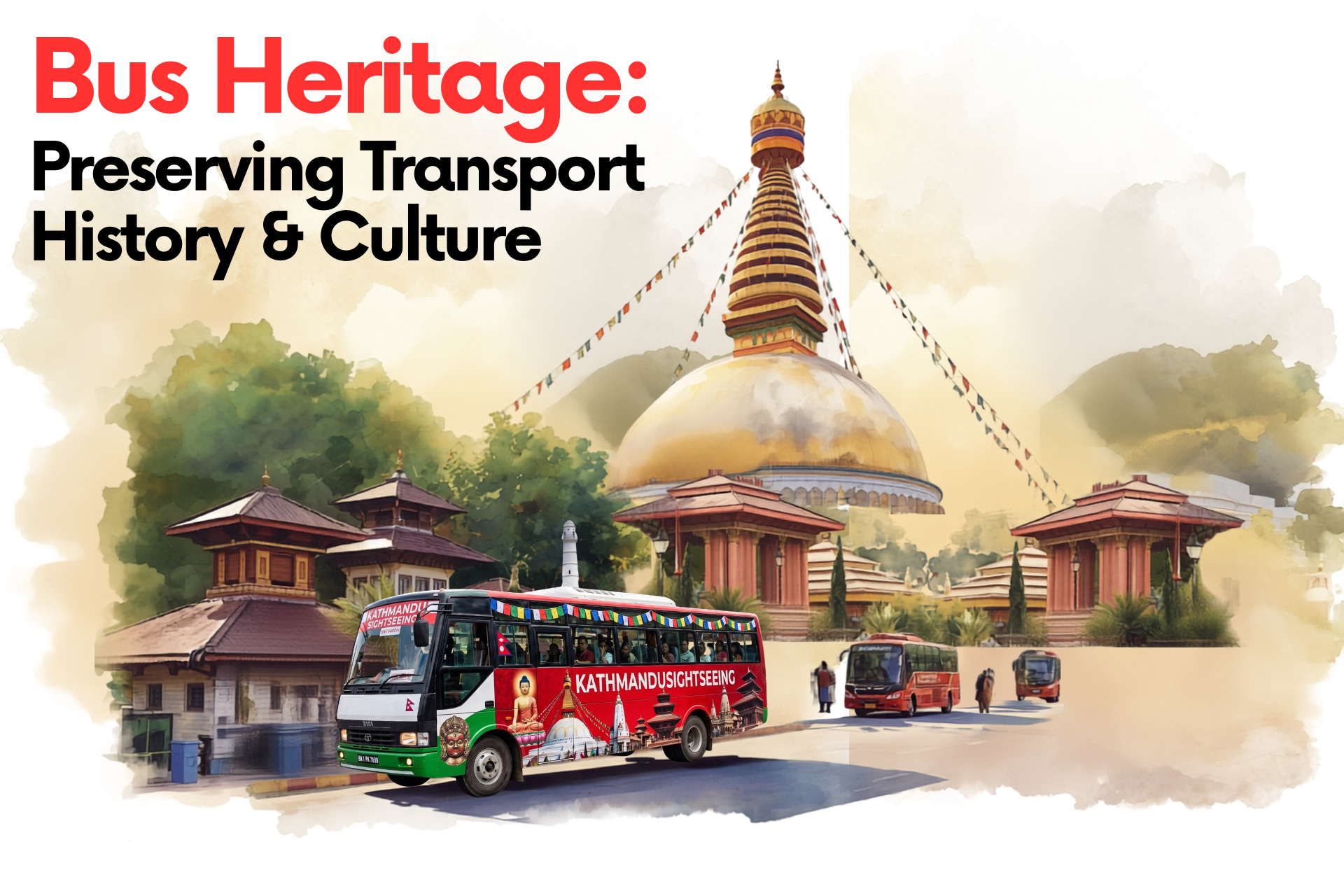
Bus heritage represents far more than vintage vehicles displayed in museums. It encompasses the stories, cultural shifts, and technological innovations that transformed how people moved through cities and across landscapes. From the earliest motorized omnibuses of the early 1900s to the specialized heritage tour buses operating today, these vehicles serve as tangible connections to our collective past. Understanding and preserving bus heritage allows communities to maintain links to their transportation history while educating future generations about the evolution of public transit and tourism.
Understanding the Significance of Bus Heritage
Bus heritage preservation captures pivotal moments in urban development and social change. Buses democratized transportation, enabling working-class populations to access employment opportunities, education, and recreation previously beyond their reach. The evolution of bus design reflects broader societal values, from the open-air charabancs that offered leisure excursions to the streamlined coaches that redefined intercity travel.
Historic buses tell stories that written records cannot fully convey. The layout of seating, the materials used in construction, and the mechanical innovations present in each generation reveal priorities of their era. A 1920s bus with separate entrances for different classes speaks to social stratification, while later models with unified boarding systems reflect changing attitudes toward equality.
The Global Movement to Preserve Transport History
Organizations worldwide dedicate themselves to maintaining bus heritage for public benefit. The Motor Bus Society has worked since 1948 to preserve North American bus history through documentation and artifact collection. These institutions recognize that buses represent industrial design, engineering achievement, and social history simultaneously.
Key preservation efforts include:
- Restoration of mechanically sound vehicles to operational condition
- Documentation of manufacturing processes and design evolution
- Collection of route maps, timetables, and operational records
- Oral histories from drivers, conductors, and passengers
- Educational programming connecting transport history to broader cultural narratives
The Bus Preservation Society of Western Australia demonstrates how regional organizations maintain local transport heritage while contributing to international knowledge networks. Their work ensures that unique Australian bus designs and operational practices remain accessible to researchers and enthusiasts.
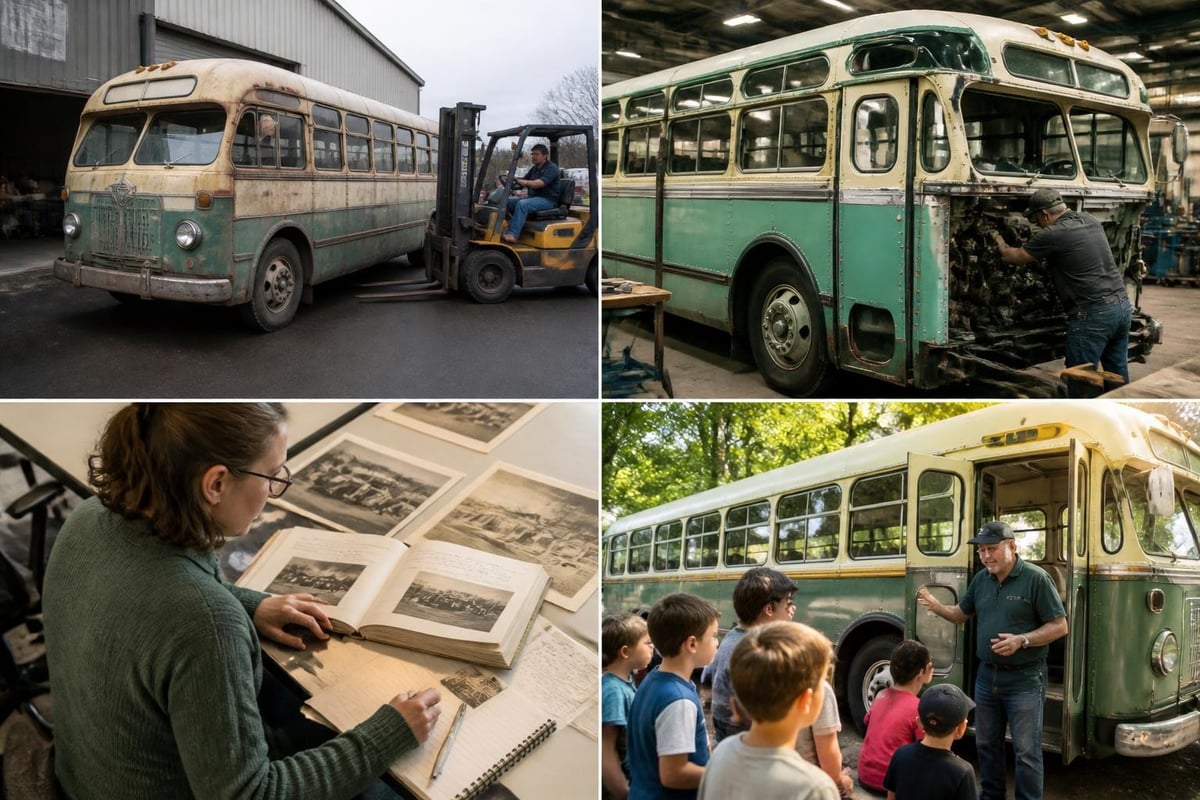
Museums and Collections Safeguarding Bus Heritage
Specialized museums serve as custodians of bus heritage, offering visitors immersive experiences with transportation history. The Oxford Bus Museum houses approximately 40 vintage buses and coaches, with the earliest dating from 1913. These collections provide researchers with primary sources for studying technological development and social history.
| Museum | Location | Collection Size | Oldest Vehicle | Specialization |
|---|---|---|---|---|
| Oxford Bus Museum | Oxfordshire, UK | 40+ vehicles | 1913 | Regional transport heritage |
| London Bus Museum | Brooklands, UK | 30+ vehicles | 1860s (horse-drawn) | Capital city evolution |
| AACA Museum | Pennsylvania, USA | Rotating exhibits | Various | North American designs |
The London Bus Museum at Brooklands showcases over 150 years of public transport evolution. Their collection illustrates how London's iconic buses became cultural symbols recognized globally. Display strategies balance technical information with human stories, making bus heritage accessible to diverse audiences.
Challenges Facing Heritage Preservation
Modern bus museums confront significant obstacles in maintaining collections and engaging communities. According to research on UK bus museums, institutions struggle with volunteer recruitment, funding constraints, and attracting younger visitors who lack personal connections to historic vehicles.
Storage and maintenance demands intensify as collections age. Unlike static exhibits, operational heritage buses require ongoing mechanical work, specialized parts, and trained personnel. The PSV Group addresses these challenges through collaborative restoration projects and skills-sharing initiatives among preservation societies.
Common preservation challenges:
- Sourcing authentic replacement parts for obsolete systems
- Maintaining expertise in vintage mechanical technologies
- Balancing preservation standards with public accessibility
- Generating sustainable revenue streams
- Documenting provenance and operational histories
Restoration and Conservation Techniques
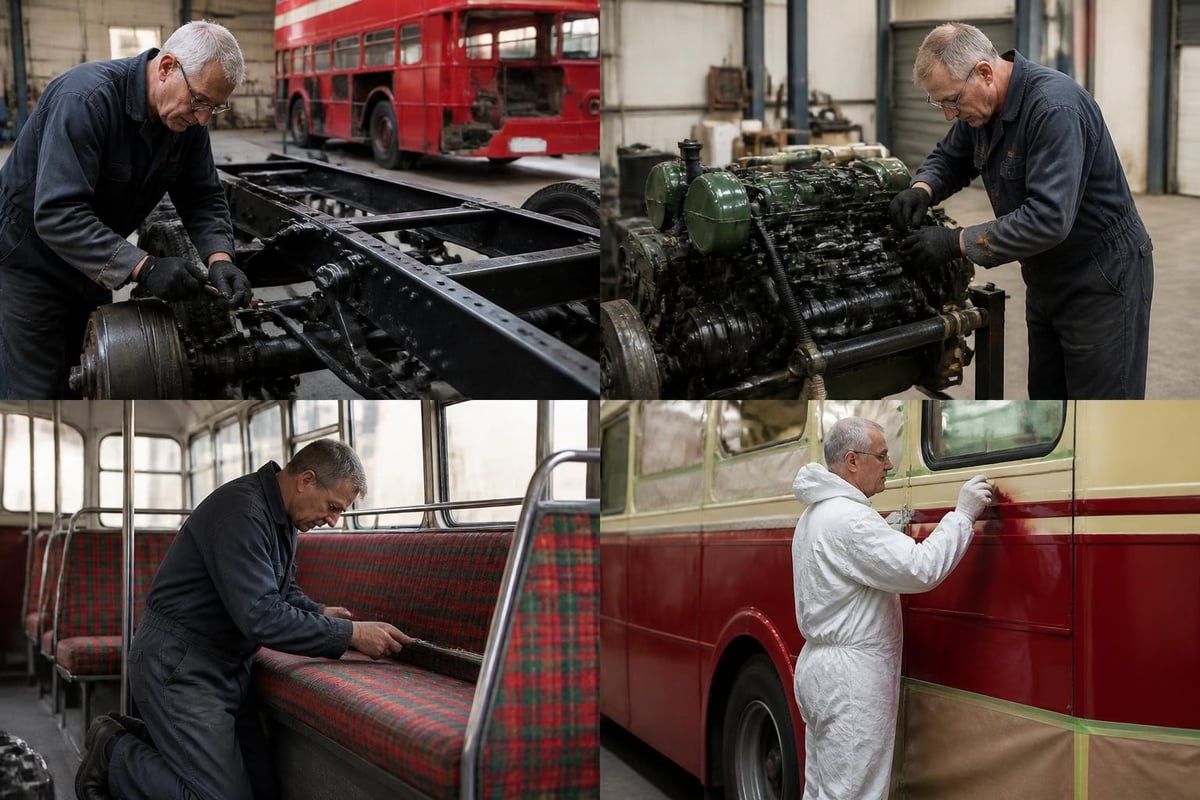
Professional restoration work ensures bus heritage remains authentic while meeting safety standards. SEC Works specializes in preserving iconic Routemaster buses through meticulous attention to original specifications. Their approach demonstrates how conservation ethics apply to working vehicles that serve educational and ceremonial functions.
Restoration projects typically follow phased approaches beginning with structural assessment. Chassis integrity, body corrosion, and mechanical functionality receive priority before cosmetic elements. Documentation at each stage creates permanent records of original construction methods and materials.
Balancing Authenticity with Modern Requirements
Contemporary regulations create tensions between historical accuracy and operational viability. Modern safety standards, emission requirements, and accessibility mandates sometimes conflict with preservation goals. Successful projects navigate these complexities through transparent decision-making and expert consultation.
The Ribble Vehicle Preservation Trust maintains vehicles from one of Britain's largest historic bus operators while addressing modern operational needs. Their work illustrates how preserved buses can function as rolling classrooms and community resources rather than static museum pieces.
Bus Heritage in Active Tourism
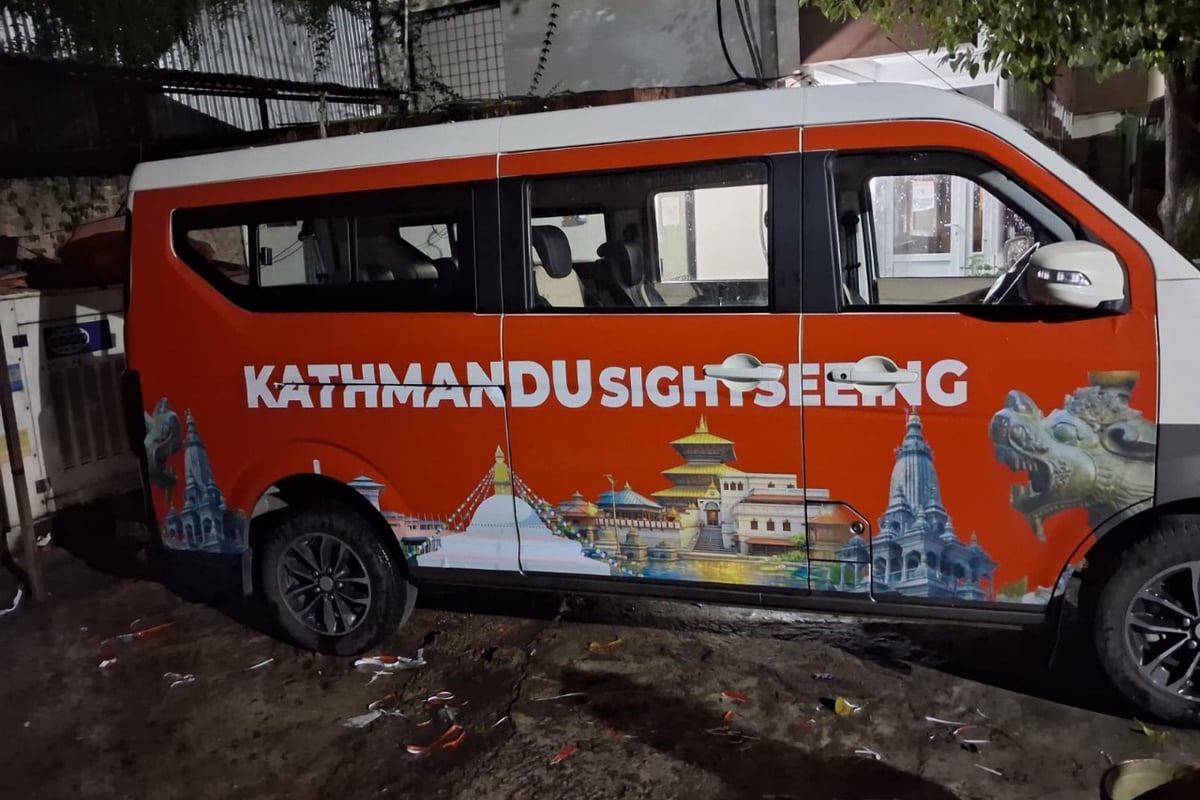
Heritage buses transition from museum displays to active tourism assets when thoughtfully integrated into sightseeing experiences. Cities worldwide recognize that vintage or heritage-styled buses enhance visitor experiences by creating tangible connections to local history. These vehicles serve as mobile interpretive centers, transforming routine transportation into memorable cultural encounters.
The integration of bus heritage into modern tourism requires careful planning to balance preservation with accessibility. Tour operators must consider passenger comfort, route suitability, and narrative coherence while respecting the historical significance of vehicles or their design inspiration.
Creating Meaningful Heritage Experiences
Successful heritage tourism programs connect vehicles to broader cultural narratives. Simply riding an old bus provides novelty, but comprehensive interpretation transforms the experience into education. Effective programs incorporate:
- Historical context about the vehicle's original service
- Connections between bus routes and urban development
- Stories of communities shaped by public transportation
- Demonstrations of technological evolution
- Links between transportation access and social opportunity
Kathmandu Sightseeing's Hop-On, Hop-Off Tour Bus service exemplifies how specialized buses can navigate historic streets while connecting visitors to UNESCO World Heritage Sites and local culture. The service demonstrates that modern heritage tours can honor the past while meeting contemporary expectations for comfort and accessibility.
Educational Programming and Community Engagement
Bus heritage serves powerful educational functions extending beyond enthusiast communities. School programs utilizing historic buses teach students about industrialization, urban planning, and social change through tangible artifacts. Children understand abstract historical concepts more readily when they can touch surfaces, hear engines, and experience spaces their grandparents occupied.
Community engagement initiatives transform bus heritage from niche interest into shared cultural resource. Public events featuring vintage buses create intergenerational dialogue, with older residents sharing memories while younger participants discover pre-digital mobility. These exchanges preserve oral histories that might otherwise disappear.
Volunteer Networks and Knowledge Transfer
Preservation organizations depend on volunteer expertise to maintain bus heritage. Experienced mechanics, historians, and restoration specialists donate thousands of hours annually to keep collections viable. The AACA Museum's bus collection benefits from volunteer networks that span generations and geographic regions.
Volunteer contributions include:
- Mechanical restoration and routine maintenance
- Historical research and documentation
- Tour guide services and visitor engagement
- Fundraising and community outreach
- Skills training for new preservation enthusiasts
Knowledge transfer between veteran volunteers and newcomers ensures preservation expertise survives. Formal apprenticeship programs, workshop sessions, and documented procedures create systematic approaches to maintaining institutional memory within preservation communities.
Digital Documentation and Virtual Access
Technology expands bus heritage accessibility beyond physical museum visits. Digital archives preserve documentation that might deteriorate or become lost, while virtual tours enable global audiences to explore collections remotely. High-resolution photography, 3D modeling, and video documentation create permanent records of vehicles and restoration processes.
Online databases facilitate research by making route maps, technical specifications, and historical photographs searchable. These resources support academic scholarship, genealogical research, and heritage tourism planning. Digital preservation also protects against catastrophic loss from fire, flooding, or other disasters affecting physical collections.
Social Media and Heritage Awareness
Social platforms amplify bus heritage visibility, connecting enthusiasts worldwide and attracting new audiences. Museums share restoration progress, historical photographs, and educational content that reaches demographics unlikely to visit physical locations. Viral posts featuring vintage buses introduce heritage concepts to millions, potentially inspiring preservation support.
The blog section of heritage-focused tourism websites often features historical content that educates while promoting services. This approach demonstrates how commercial enterprises can support bus heritage awareness while building customer engagement.
Regional Variations in Bus Heritage
Bus heritage reflects distinct regional characteristics shaped by geography, climate, and cultural preferences. British double-deckers, American Greyhound coaches, and Australian outback buses evolved differently based on local needs and conditions. Understanding these variations enriches appreciation for how transportation solutions respond to specific challenges.
Asian bus heritage incorporates unique design elements reflecting population density, road conditions, and aesthetic traditions. The specialized buses navigating Kathmandu's narrow, historic streets demonstrate engineering adaptations to ancient urban layouts. These modern heritage vehicles continue evolution begun with early motorized transport in challenging terrain.
Indigenous and Cultural Perspectives
Comprehensive bus heritage documentation includes indigenous and marginalized community experiences often overlooked in mainstream narratives. Buses facilitated cultural exchange, enabled migration, and sometimes enforced segregation. Honest preservation acknowledges complex histories, including uncomfortable truths about access restrictions and discriminatory practices.
Cultural sensitivity guides interpretation of bus heritage in diverse communities. What represents progress for some populations may symbolize displacement or cultural erosion for others. Effective heritage programs incorporate multiple perspectives, creating nuanced understanding of transportation's social impacts.
Economic Dimensions of Heritage Preservation
Bus heritage generates economic activity through tourism, restoration services, and specialized manufacturing. Heritage tourism attracts visitors who spend on accommodations, dining, and related activities, creating multiplier effects benefiting entire regions. Restoration workshops employ skilled workers while supporting suppliers of materials and components.
| Economic Impact Category | Description | Examples |
|---|---|---|
| Direct Tourism Revenue | Admission fees, tour bookings | Museum tickets, heritage bus rides |
| Indirect Tourism Spending | Visitor expenditure beyond heritage sites | Hotels, restaurants, retail |
| Restoration Services | Specialized labor and materials | Mechanical work, upholstery, painting |
| Educational Programming | Workshops, publications, consulting | Heritage training courses, archival research |
| Parts Manufacturing | Reproduction components for vintage vehicles | Engine parts, trim pieces, signage |
The preservation industry creates employment requiring specialized skills that might otherwise disappear. Master craftspeople maintaining bus heritage train apprentices in techniques applicable to broader restoration fields, supporting traditional trades in modern economies.
Future Directions for Bus Heritage
Emerging technologies offer new preservation and interpretation possibilities. Electric vehicle conversions allow vintage buses to operate with reduced environmental impact while maintaining historical appearance. Augmented reality applications overlay historical imagery onto contemporary streetscapes, showing riders how routes appeared in previous eras.
Demographic shifts challenge heritage organizations to remain relevant as audiences with direct bus memories diminish. Successful adaptation requires connecting transportation history to contemporary issues like sustainability, urban planning, and social equity. City sightseeing bus services can bridge heritage appreciation with current transportation needs.
Sustainability and Heritage Values
Bus heritage preservation increasingly aligns with sustainability advocacy. Historic buses demonstrate durability and repairability contrasting with disposable consumer culture. Restoration over replacement embodies environmental stewardship while maintaining cultural continuity. These connections attract environmentally conscious audiences to heritage programming.
Climate change threatens heritage collections through increased flood risk, temperature extremes, and humidity fluctuations. Preservation organizations invest in climate-controlled storage and disaster preparedness, recognizing that protecting bus heritage requires addressing broader environmental challenges.
Integration with Urban Heritage Planning
Forward-thinking cities incorporate bus heritage into comprehensive cultural heritage strategies. Historic bus routes receive recognition alongside architectural landmarks, acknowledging transportation's role in shaping urban development. Heritage bus rides become interpretive tools explaining neighborhood evolution and demographic shifts.
Planning frameworks that value bus heritage inform contemporary transportation decisions. Understanding how previous generations solved mobility challenges provides context for current infrastructure debates. Historical precedents reveal both successful innovations and cautionary failures worth considering in modern planning processes.
Bus heritage preservation connects communities to transportation history while educating audiences about technological evolution and social change. Understanding how buses shaped cities and cultures enriches appreciation for both past achievements and contemporary challenges. Kathmandu Sightseeing invites you to experience this living heritage through thoughtfully designed tours that connect UNESCO World Heritage Sites with the cultural narratives woven throughout the city, demonstrating how specialized vehicles continue the tradition of making history accessible to all.